 Neuralinko
Neuralinko
Neuralinko
Directly source optimized memory kits engineered for low latency, zero-fault ECC validation, and maximum hypervisor density across Dublin and broader Irish regions.
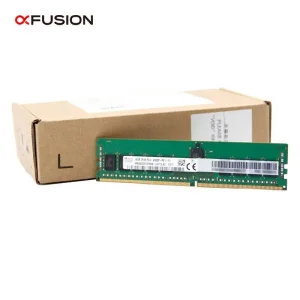
Specs: 288pin - 0.625ns - 3200MHz - 1.2V - ECC - 2 Rank
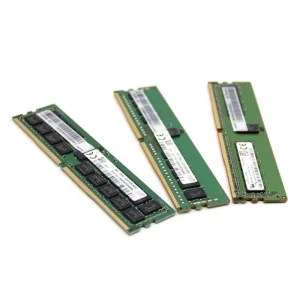
Specs: 288pin - 0.625ns - 3200MHz - 1.2V - ECC - 2 Rank
Specs: 288pin - 0.625ns - 3200MHz - 2 Rank Server Memory
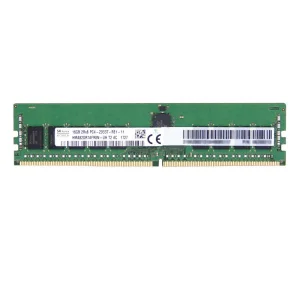
Specs: High-Density Rank Server Memory - Memoria DDR4
Ireland, particularly the Dublin Metropolitan Area, has evolved into the preeminent hub for EMEA cloud infrastructure, hosting over 75 active data centers managed by hyperscalers including Amazon Web Services, Microsoft Azure, and Google Cloud. However, this growth has collided with stringent electrical capacity restrictions enforced by the Commission for Regulation of Utilities (CRU) and EirGrid. In this resource-constrained market, energy-efficient operational layouts are no longer optional—they are a critical regulatory requirement.
Server memory represents up to 15% to 25% of a typical system's power budget. Upgrading to optimized low-voltage, high-density server RAM allows data center operators to significantly maximize virtual machine (VM) consolidation ratios per rack. By utilizing 1.2V DDR4 RDIMM modules, systems can mitigate heat emission profiles, drastically lowering Power Usage Effectiveness (PUE) metrics and keeping facilities compliant with Irish and European environmental mandates.
As next-generation AI pipelines, distributed database clusters, and DeepSeek-based LLM architectures scale, memory bandwidth has become the primary operational bottleneck. The market is witnessing a major architectural migration from DDR4 (utilizing 1.2V and operating up to 3200MHz) to DDR5 technologies (operating at a base of 4800MHz to 6400MHz at 1.1V). DDR5 shifts the power management control from the motherboard directly onto the DIMM itself via a Power Management IC (PMIC), ensuring finer power granularity and minimizing motherboard design costs.
Furthermore, the emergence of multi-socket, high-core count architectures (such as Intel Xeon Scalable 4th/5th Gen and AMD EPYC platforms) demands highly balanced memory channel configurations. For Irish system integrators and enterprises, deploying matching multi-rank ECC configurations is key to preventing latency spikes and memory channel bottlenecks.
A comparative overview of enterprise memory architectures suitable for rack servers operating under typical workloads in Irish Cloud centers.
| RAM Type & Interface | Speed / Bandwidth | Voltage Requirement | ECC Support | Ideal Application Profiles |
|---|---|---|---|---|
| DDR4 RDIMM (288-Pin) | 3200 MHz (PC4-25600) | 1.2V | Multi-bit ECC / SDRAM | Virtualization, Web Hosting, Mid-tier Database Clusters |
| DDR5 RDIMM (288-Pin) | 4800 / 5600 MHz | 1.1V | On-Die ECC + Side-band ECC | Deep Learning, High Frequency Trading (HFT), LLM Inference |
| DDR4 LRDIMM | 2933 / 3200 MHz | 1.2V | Enhanced Buffering ECC | High-Density Memory Databases, Large-scale SAP HANA Deployments |
| DDR5 LRDIMM | Up to 6400 MHz | 1.1V | Smart Buffered ECC | High-performance Computing (HPC), AI Training Clusters |
Registered DIMM (RDIMM) vs. Load-Reduced DIMM (LRDIMM) in Enterprise Contexts: RDIMMs incorporate a hardware register that buffers control signals, reducing the electrical load on the memory controller. This design enables the system to support a larger number of memory modules. LRDIMMs build further on this by utilizing a memory buffer chip to also cache data lines, allowing for even higher capacities per channel. For most workloads in Dublin's enterprise sector, DDR4 RDIMMs represent the sweet spot for performance, thermal efficiency, and overall total cost of ownership (TCO).
How high-end manufacturing efficiency and smart logistics resolve supply chain bottlenecks for Western Europe.
Geopolitical changes and semiconductor supply constraints demand diversified supply strategies. Our strategic partnerships with more than 1,200 raw silicon and component providers guarantee uninterrupted raw material sourcing and manufacturing continuity.
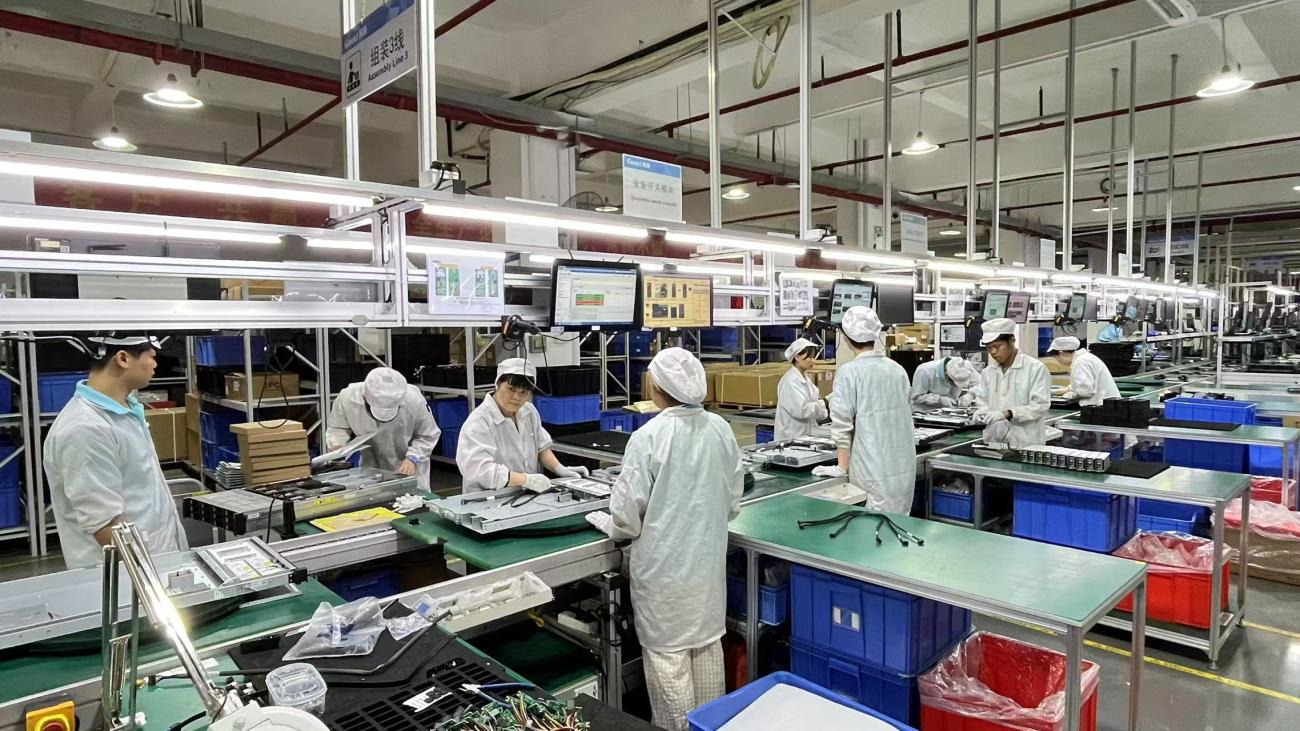
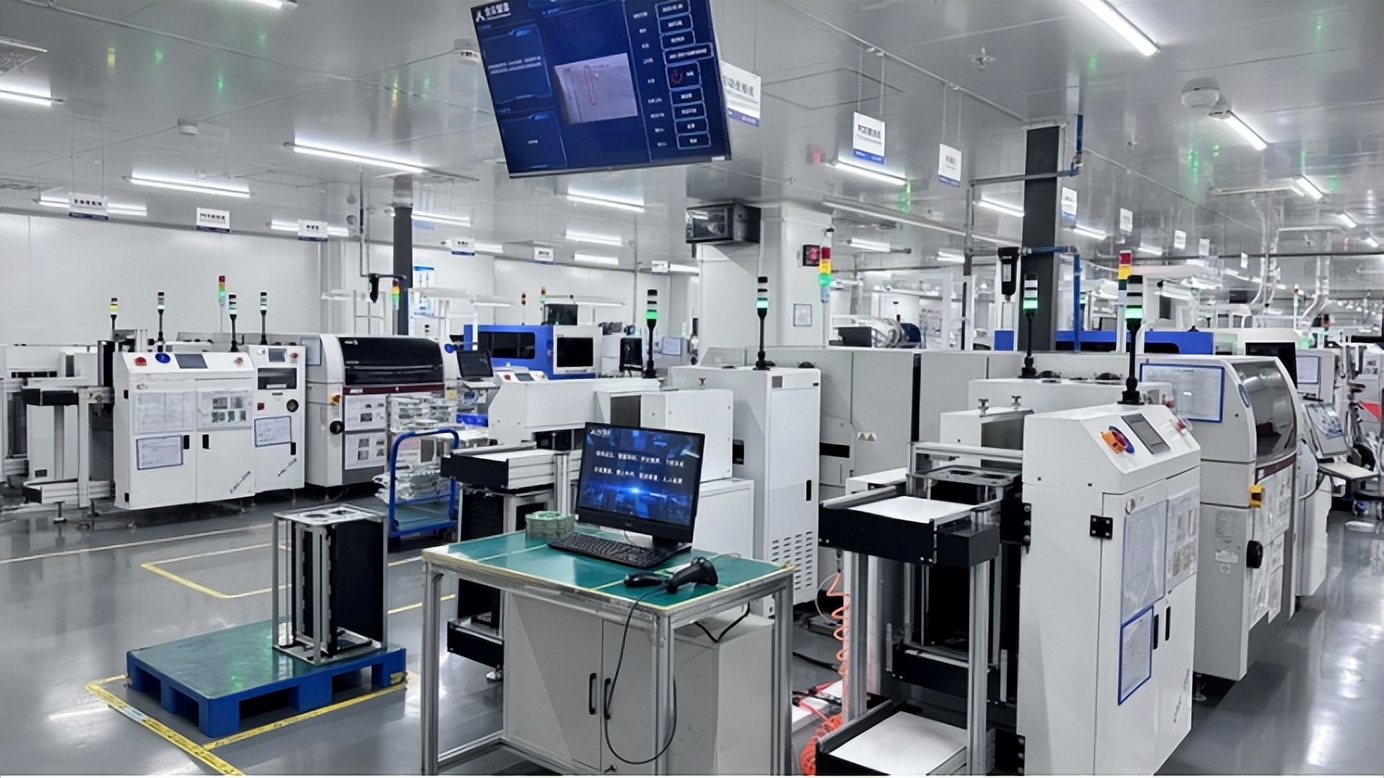
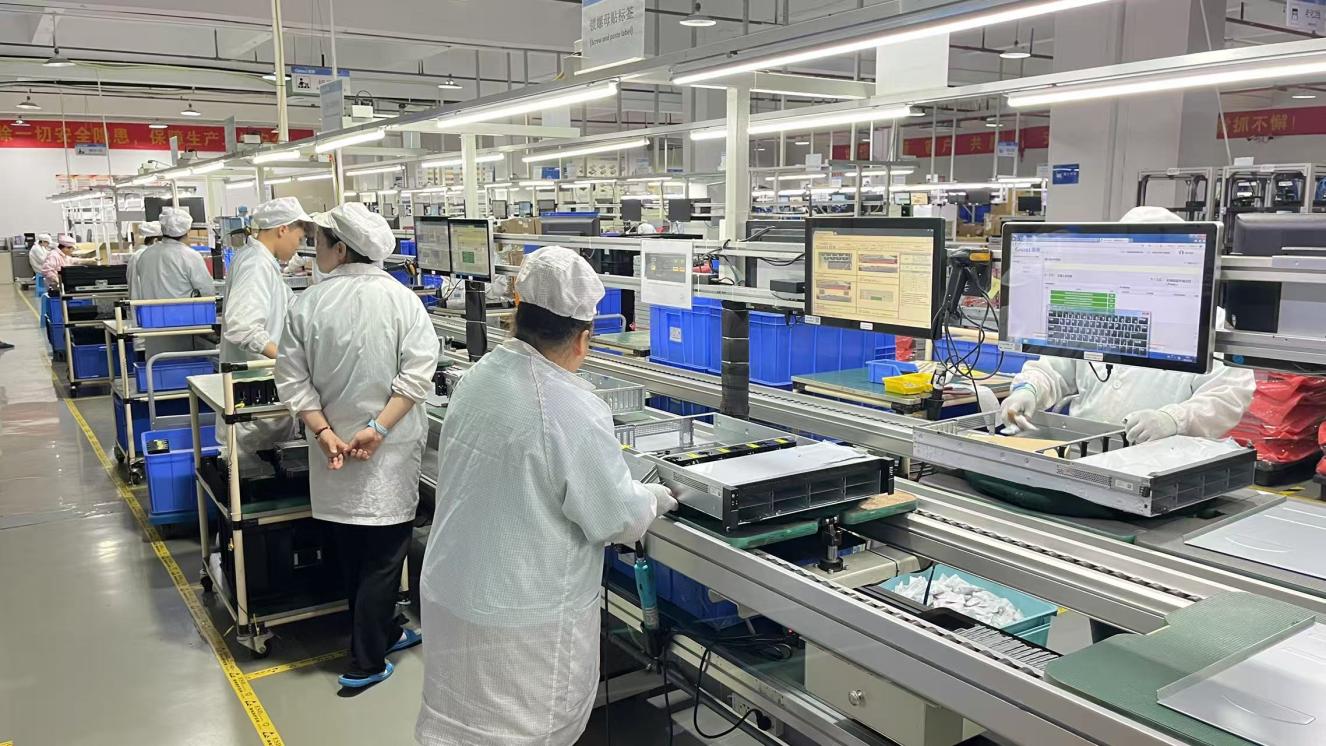
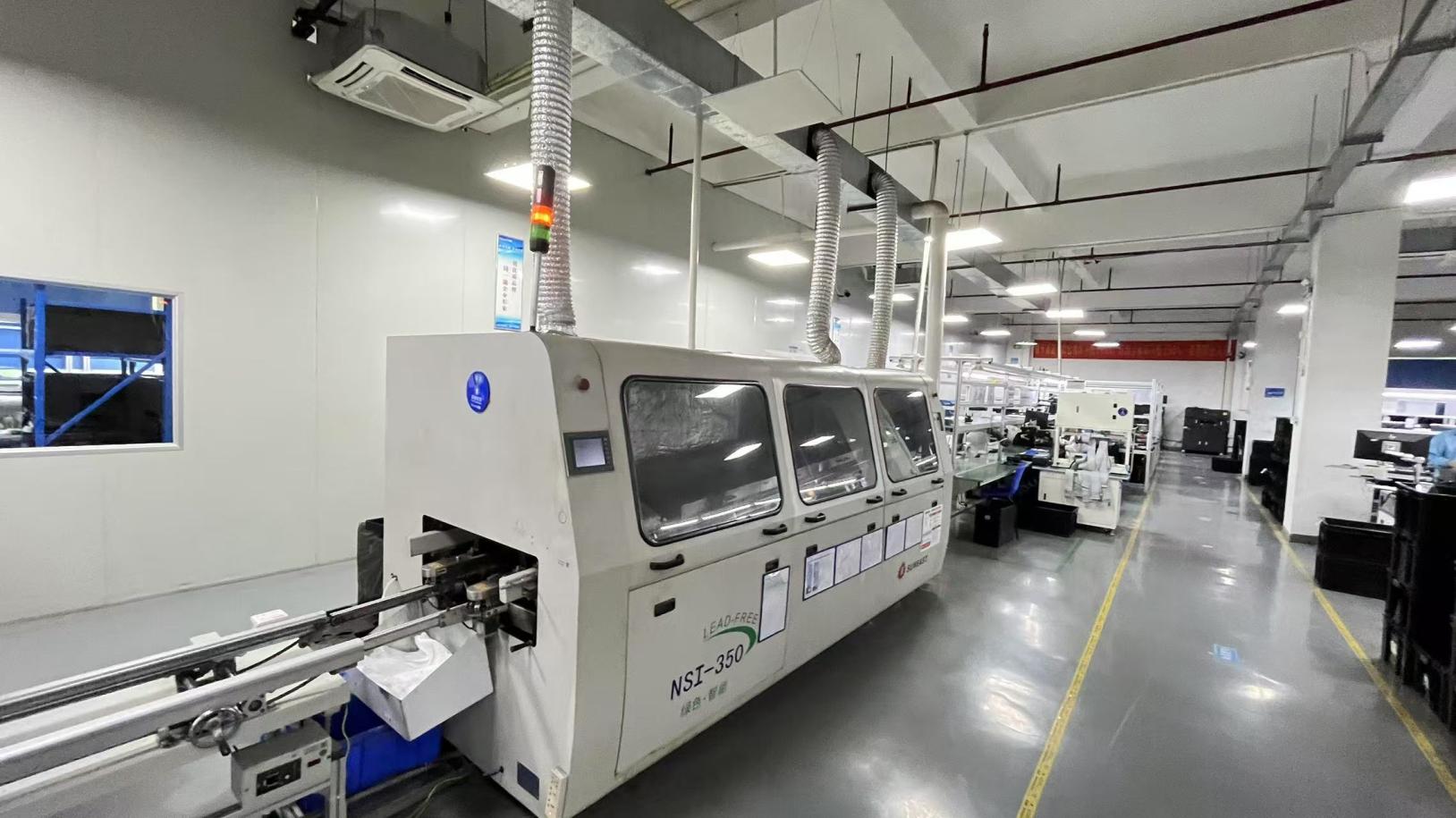
Our state-of-the-art facility utilizes automated SMT placement, robotic optical testing, and real-time environment-controlled rooms to achieve near-zero failure rates on complex multi-layer PCB server modules.
Every rack deployment is unique. We provide complete customization options, including tailored BIOS configuration, optimized memory timings, custom-designed heat sinks, and thermal dissipation systems designed for Ireland's ambient data center cooling profiles.
How high-performance RAM architectures power modern computing workloads in real-world environments.
The International Financial Services Centre (IFSC) in Dublin relies heavily on low-latency quantitative model processing and real-time transaction clearing. High-frequency memory modules running at 3200MHz with tight sub-timing configurations minimize transactional micro-delays, ensuring optimal trade execution speed.
Latency CriticalAI computing operations require significant GPU memory bandwidth. When utilizing multi-GPU servers (such as DeepSeek LLM systems), the system memory acts as a high-speed paging area. High-density 64GB RDIMM modules ensure that local data arrays can feed GPU memory pools without encountering bottlenecks.
AI InfrastructureHyperscale cloud operators must maximize the VM density of their physical servers to improve return on investment. Upgrading system hosts with high-capacity RAM kits enables hosting more containers and Virtual Machines per rack, significantly reducing overall physical space requirements and cooling costs.
High Density CloudEnsure component interoperability by sourcing genuine upgrades alongside your server RAM procurement.
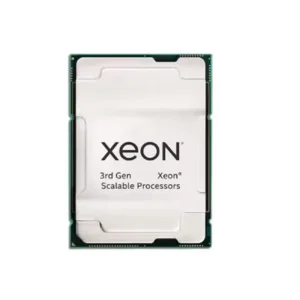
Specs: Intel Xeon Scalable Multi-Core Processors
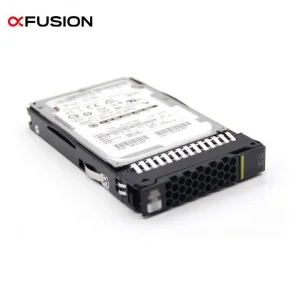
Specs: SATA 6Gb/s - Read-Write Hybrid PM897
Specs: SAS 12Gb/s - Includes 3.5-inch Hot-Swap Tray
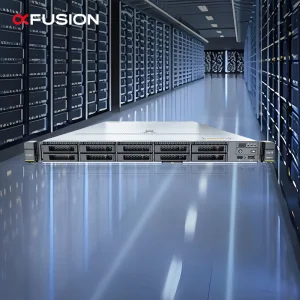
Specs: Xeon 4410Y - 1x32GB DDR5 - 900W Redundant PSU
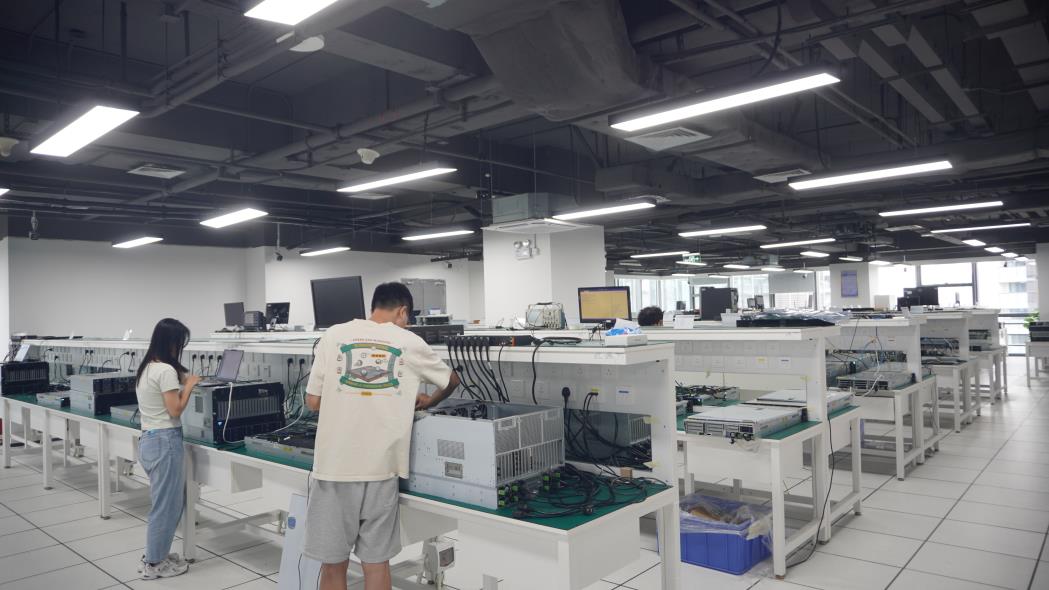
Neuralinko Intelligent Technology Co., Ltd. is a specialized AI server manufacturer and component infrastructure supplier focusing on high-performance GPU systems, enterprise server memory, and customized datacenter architecture for global operators. Founded in 2018, we operate from a modern 386㎡ production testing and engineering cleanroom facility, ensuring high quality control, system stress tests, and hardware optimization.
Backed by over 8 years of hardware engineering history and 6 years of international logistics capability, Neuralinko has established itself as an authoritative resource for scalable, energy-conscious, and reliable enterprise-level solutions. Our annual international export revenues exceed USD 18 million, serving customers in North America, Western Europe (particularly Ireland, the UK, and Germany), Southeast Asia, the Middle East, and Australia.
Our core client profiles range from AI research labs and cloud providers to managed service integrators. Our dedicated engineering team consists of 118 R&D engineers, and a specialized team of 42 quality assurance inspectors oversees our rigorous performance and durability tests before dispatch.
Quality is built into every step of our manufacturing and assembly processes. Our QA framework includes:
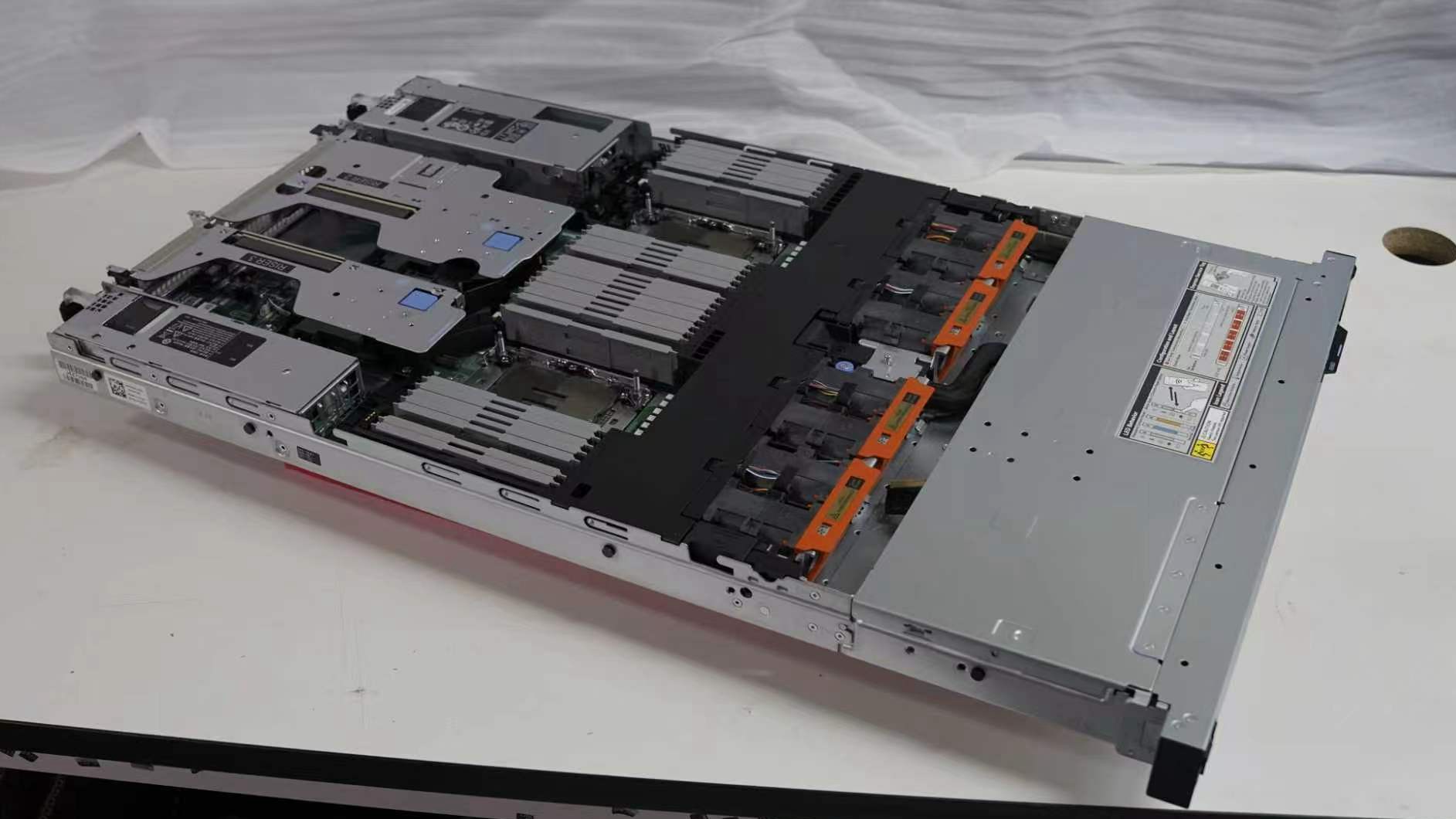
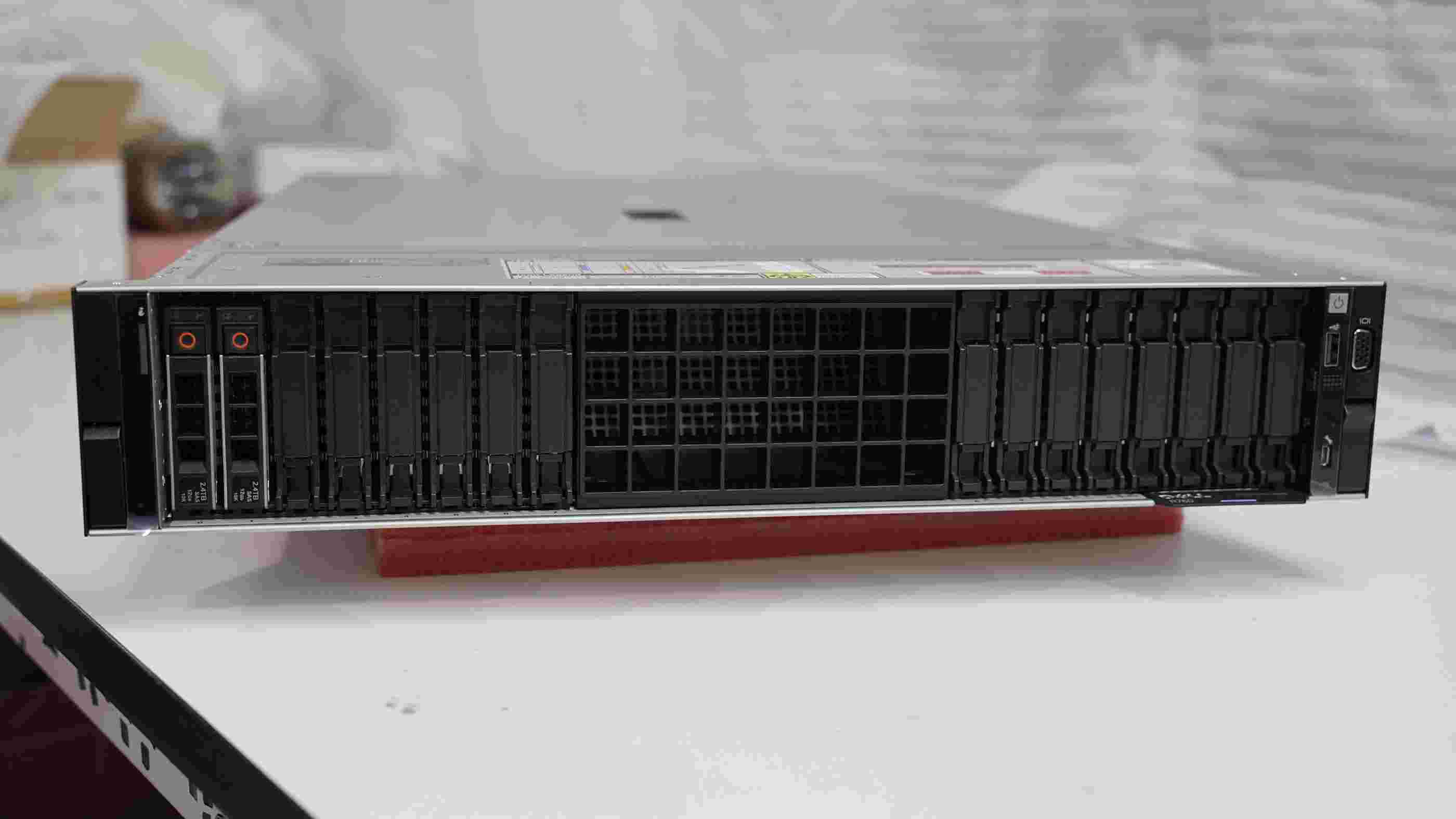
Select from our certified server systems designed for immediate integration into enterprise data centers.
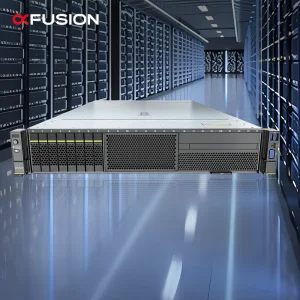
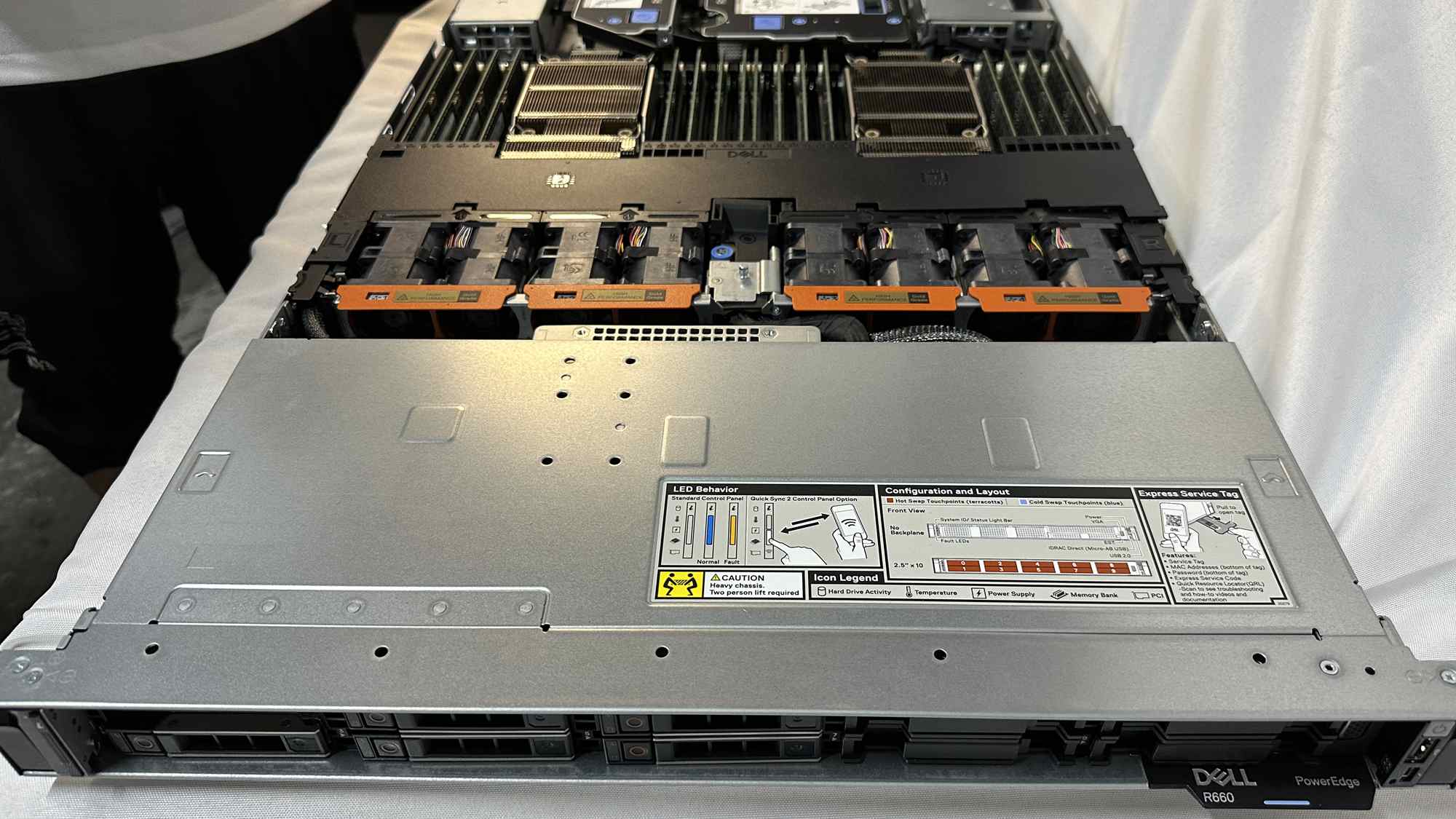
Specs: 2U 2-socket Intel Xeon Scalable Server
Specs: GPU Accelerated - SSD Storage - Xeon
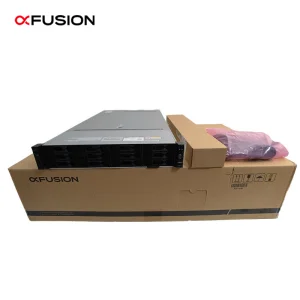
Specs: GPU Storage - Short Depth Rack Server
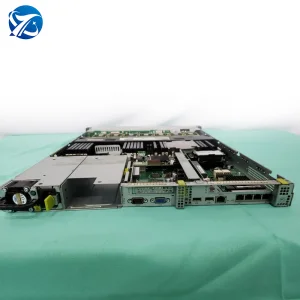
Specs: 2-Socket 1U Rack - NAS Optimized - GPU Ready
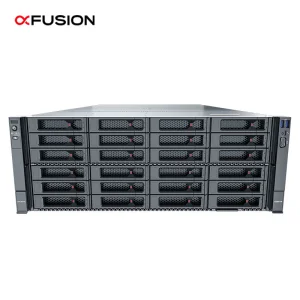
Specs: Deep Learning - Multi GPU Support - Xeon
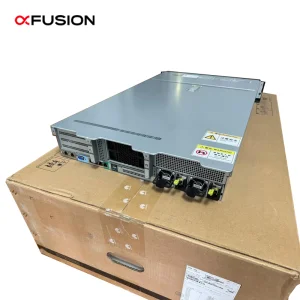
Specs: GPU Storage - Short Depth OEM Server
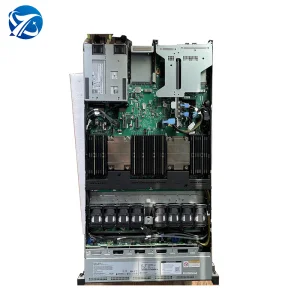
Specs: 1U High-Density - AI & Deep Learning Optimized
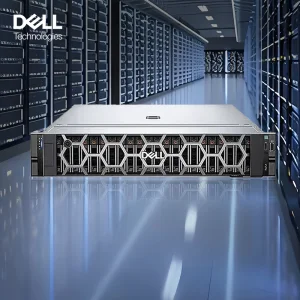
Specs: Intel Xeon 8452Y - 64GB DDR5 R760 - 2-socket 2U
Essential insights for IT infrastructure architects and procurement coordinators sourcing server memory for Ireland and EMEA centers.