Neuralinko
Neuralinko
Neuralinko
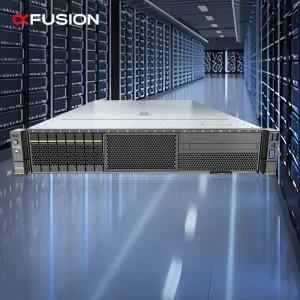
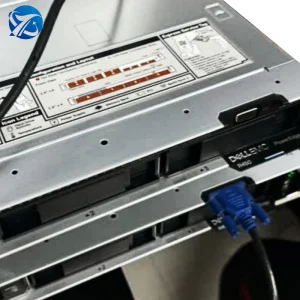
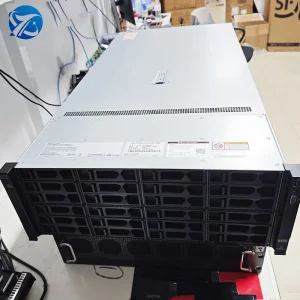
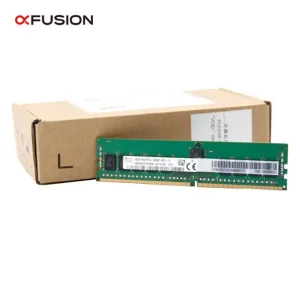
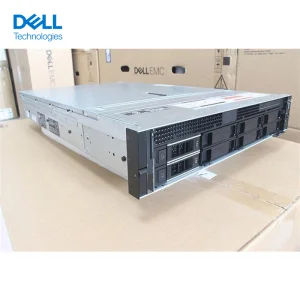
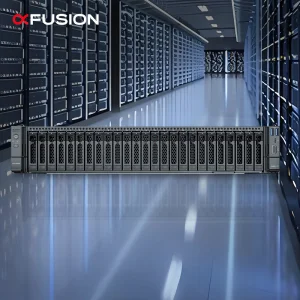
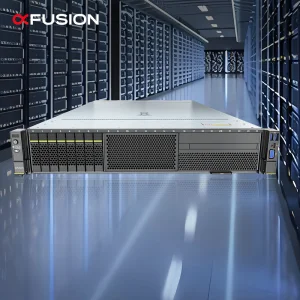
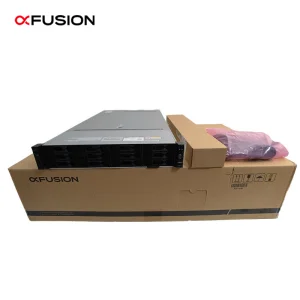
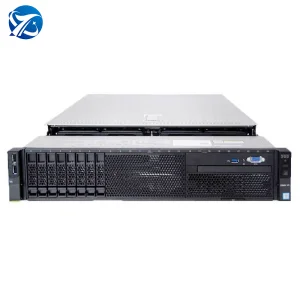
The global demand for high-performance computing (HPC), AI model fine-tuning, and large language model (LLM) processing has driven hardware infrastructure requirements to unprecedented levels. In this environment of exponential data growth, xFusion Servers have established themselves as industry-leading platforms characterized by exceptional energy efficiency, high scalability, and robust hardware resilience.
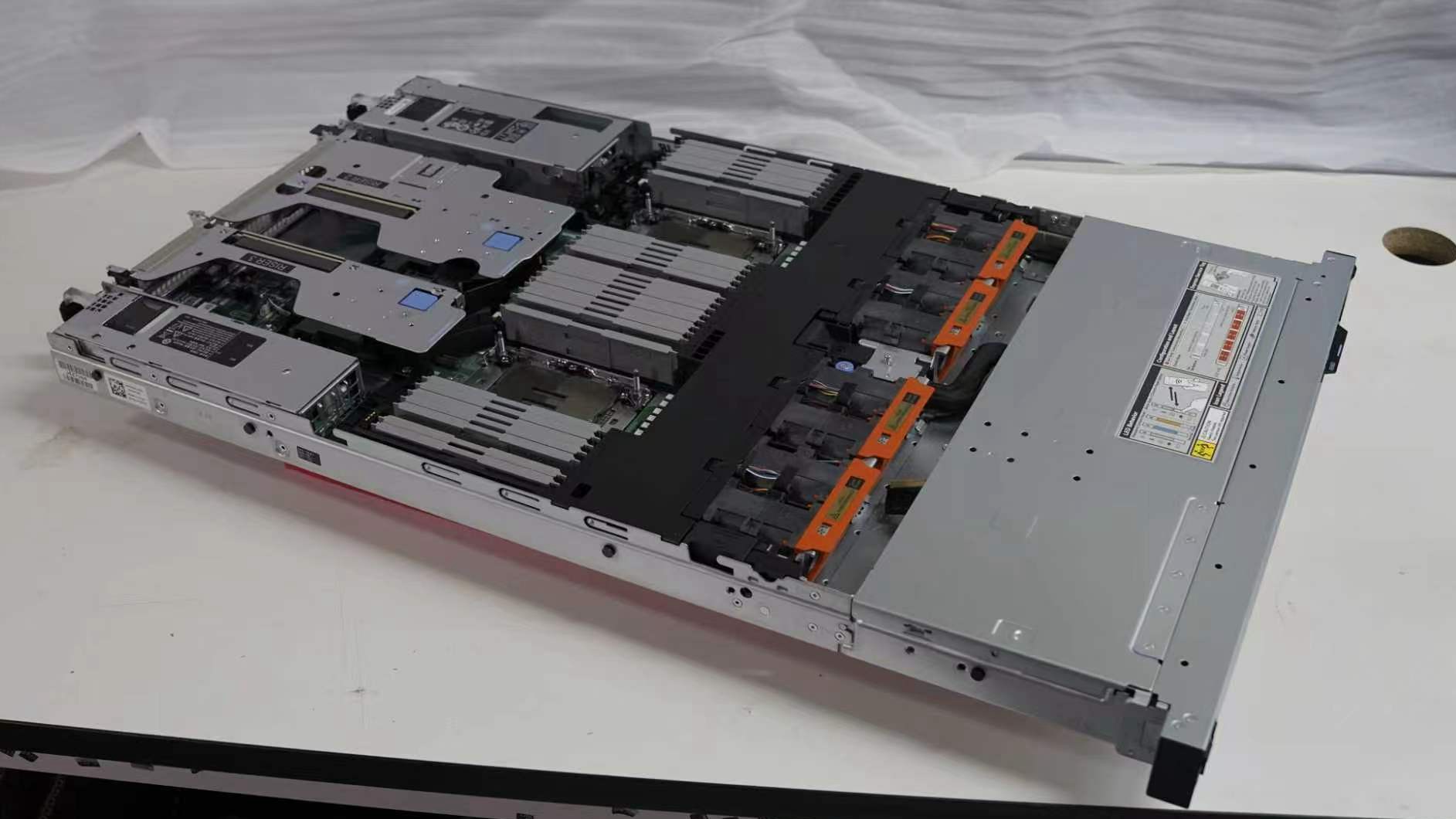
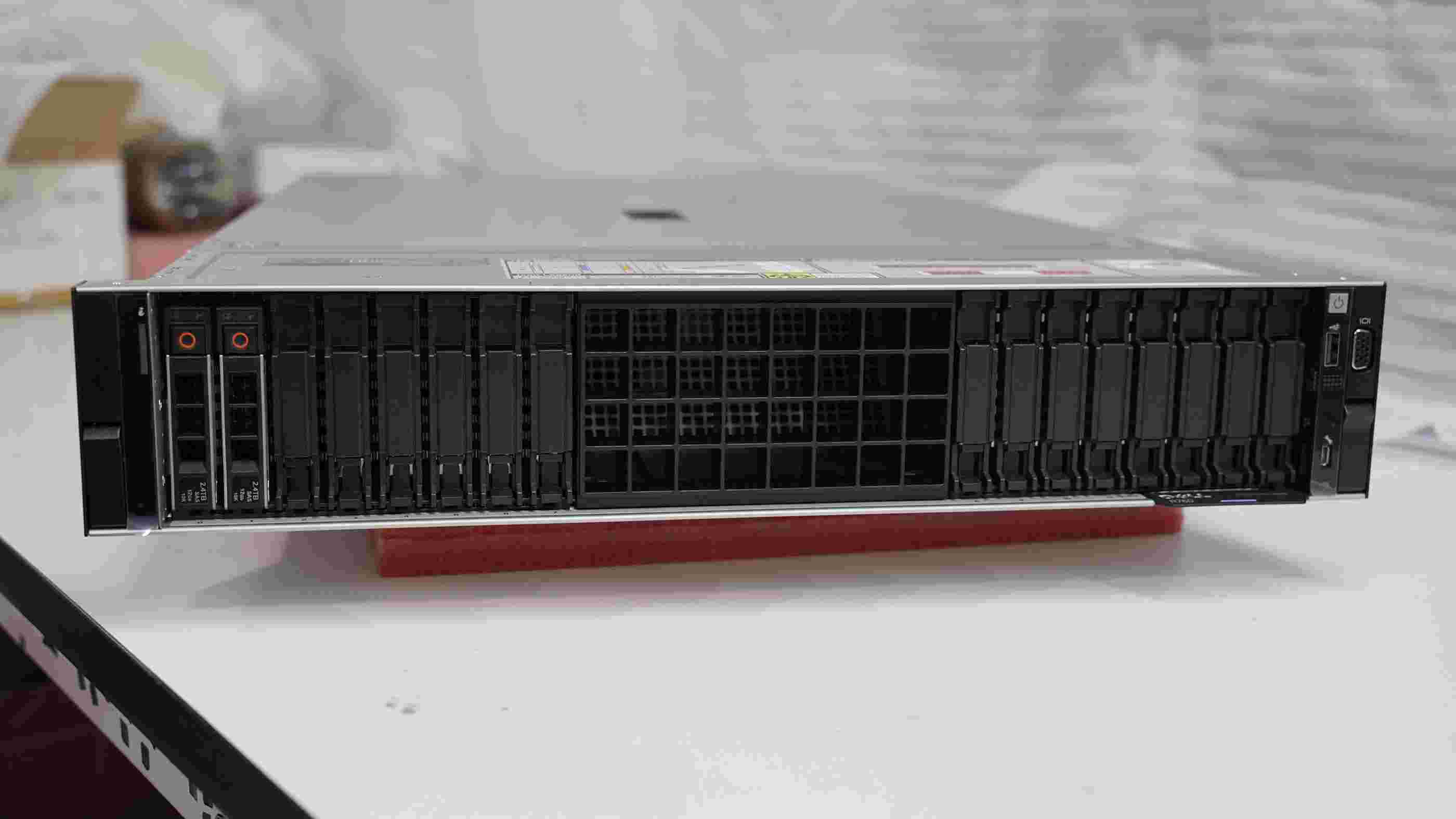
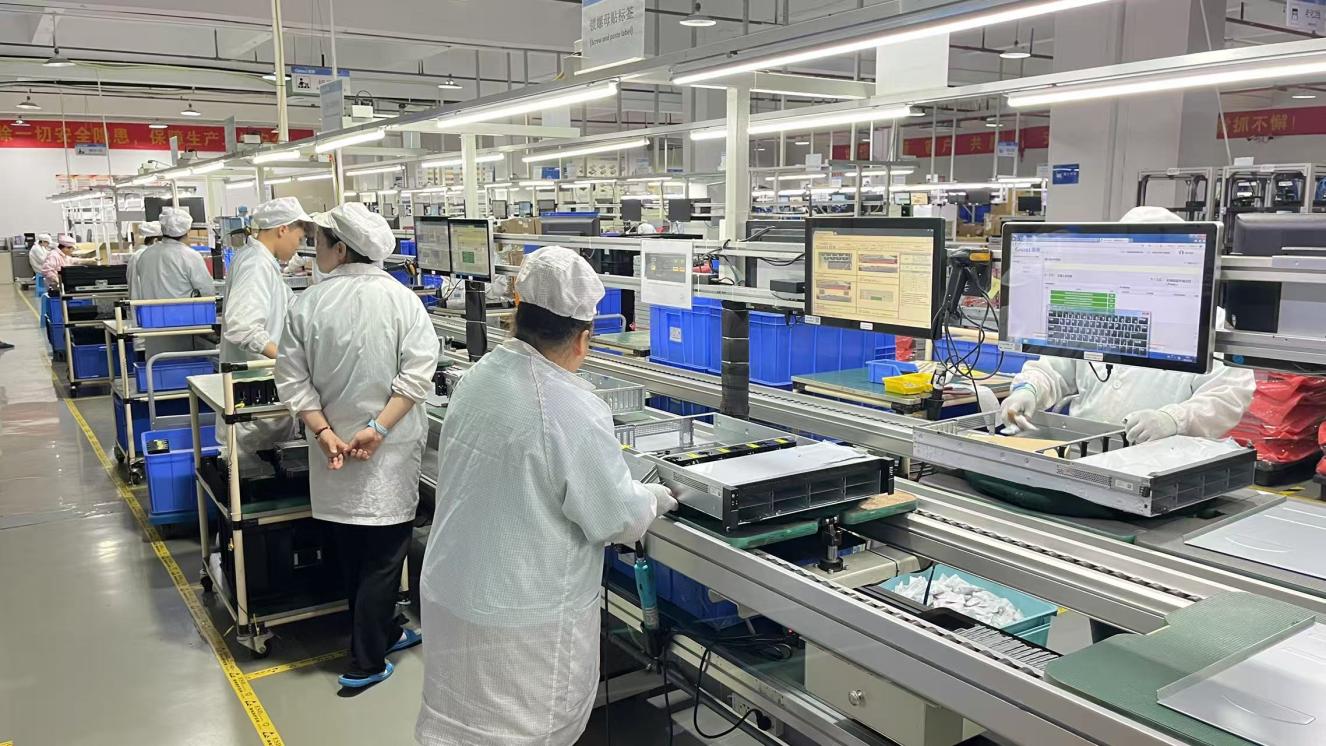
As a dedicated player in the AI hardware ecosystem, Neuralinko Intelligent Technology Co., Ltd. (operating from a high-efficiency production and engineering facility) specializes in designing, configuring, and exporting high-performance GPU and CPU rack servers. By integrating next-generation architectures such as the xFusion FusionServer G8600 V7 8U GPU system and the highly versatile xFusion 2288H V6/V7 series, we bridge the gap between complex algorithmic challenges and scalable bare-metal hardware. Our operations leverage comprehensive supply chains to serve clients across North America, Europe, Southeast Asia, the Middle East, and Australia.
Neuralinko Intelligent Technology Co., Ltd. is a verified specialist in enterprise server exports and customized hardware architecture design:
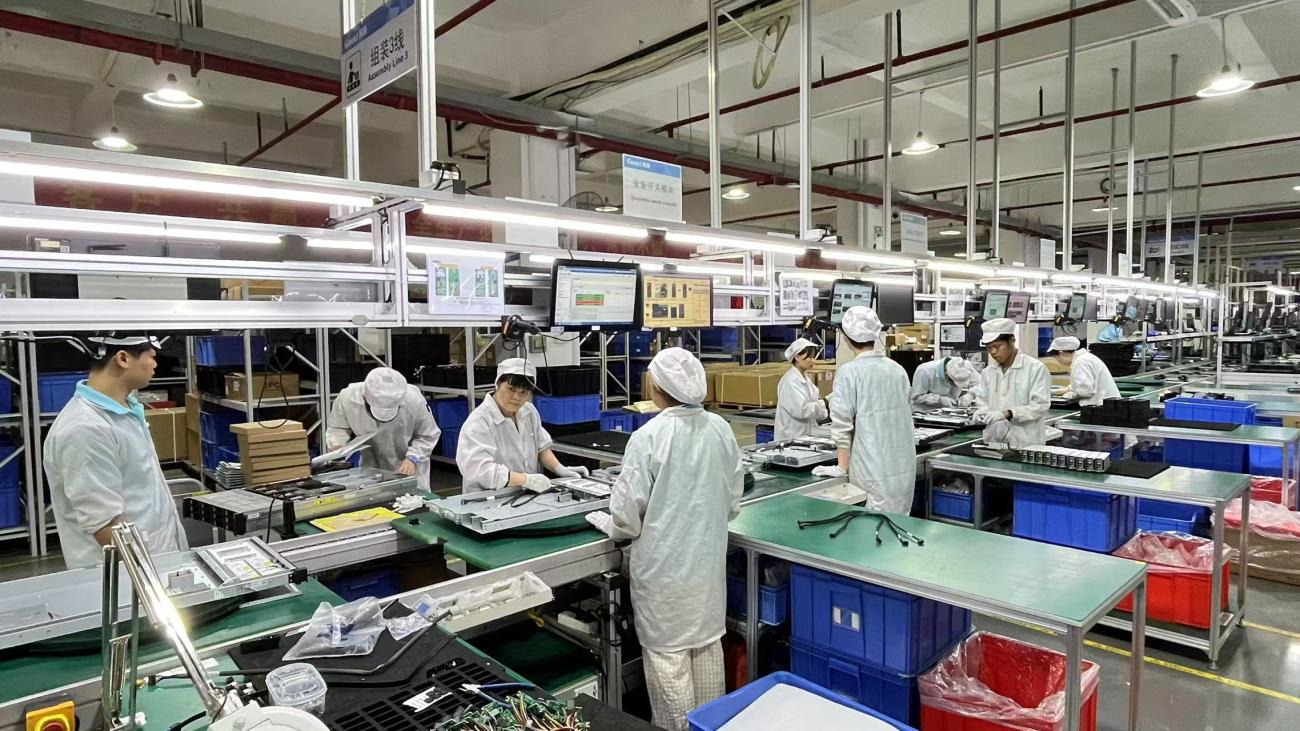
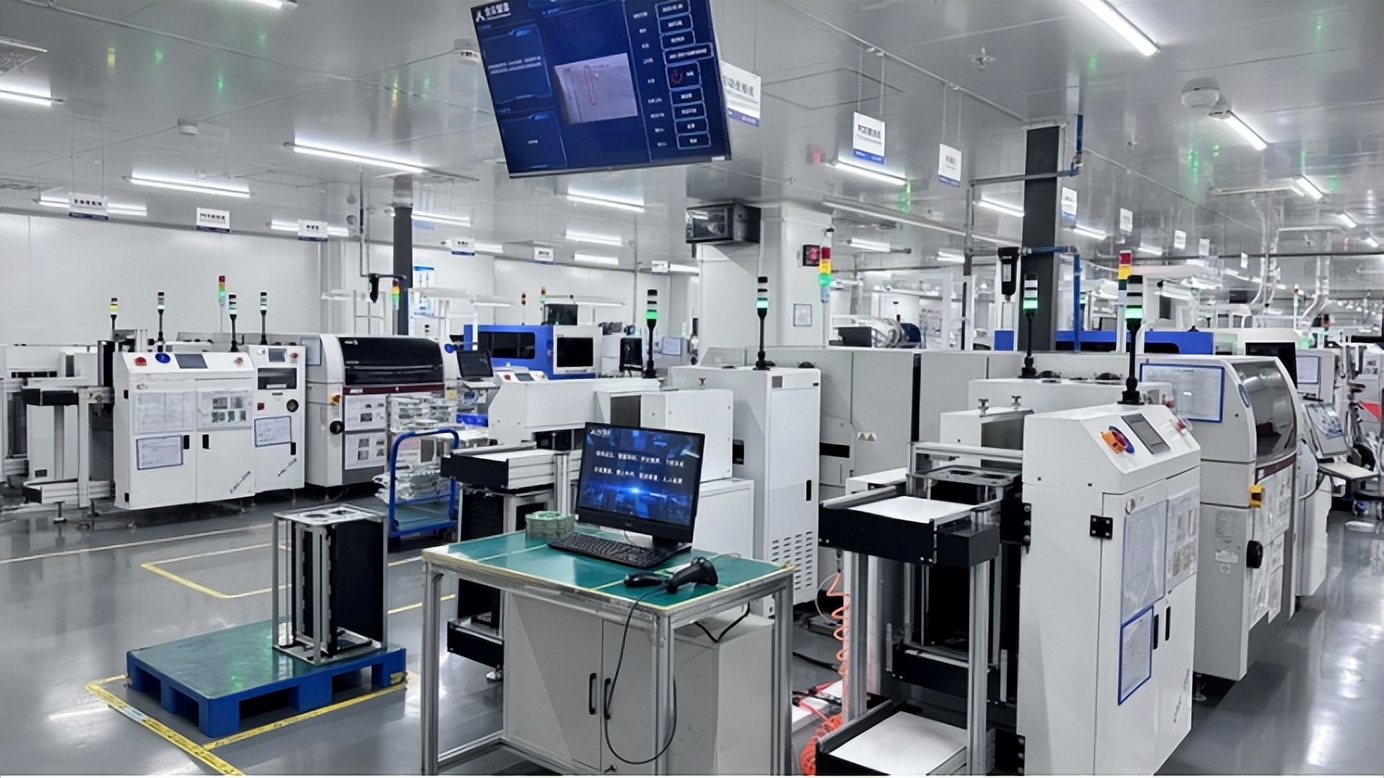
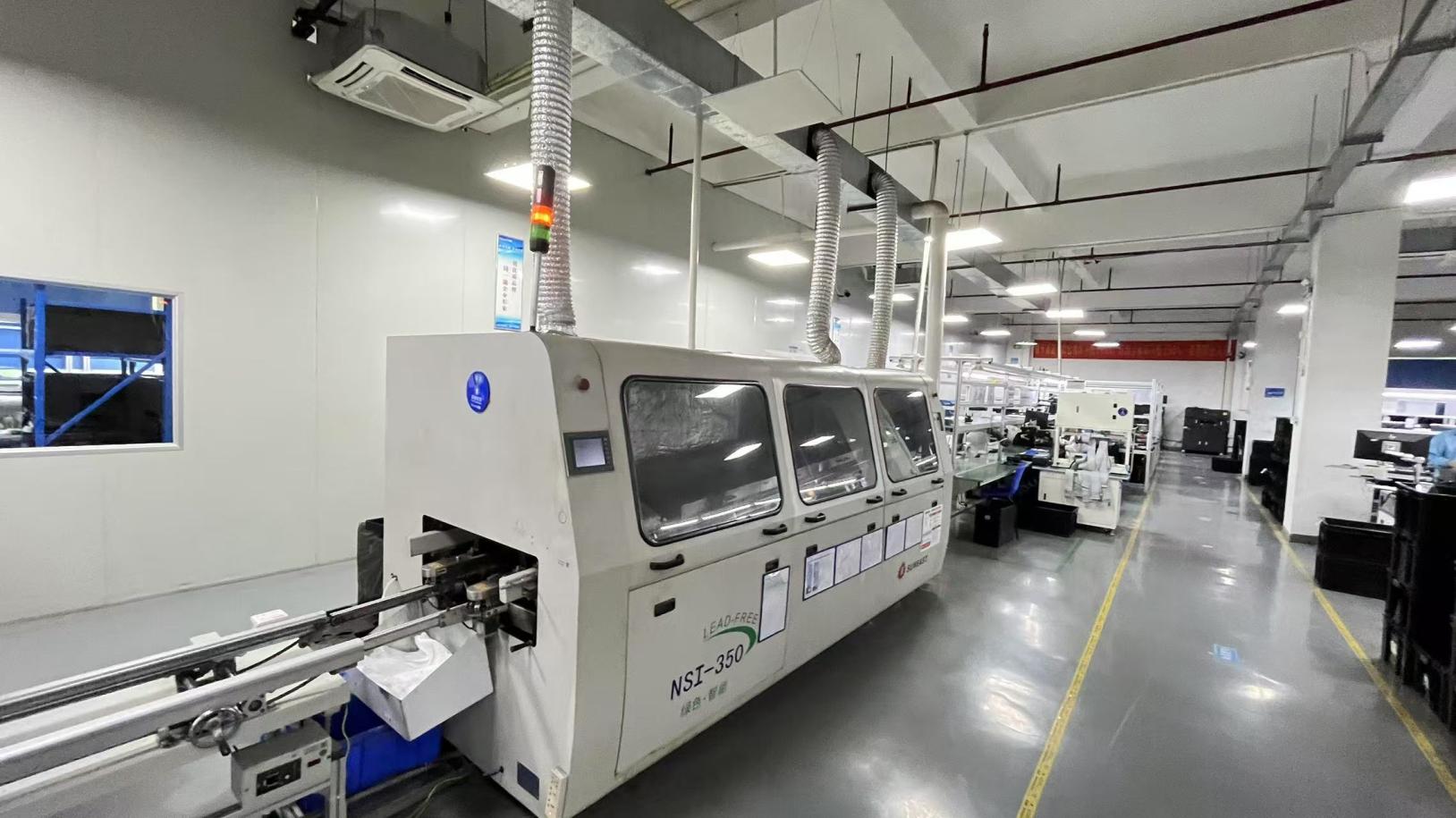
China's server manufacturing infrastructure, particularly in technology clusters like Shenzhen, offers unmatched competitive advantages. Our factory network guarantees rapid time-to-market, cost-optimal production cycles, and high-performance builds.
Our facility is integrated within a dense ecosystem of raw PCB fabrication, power supply unit (PSU) designers, thermal heatsink suppliers, and precision sheet-metal casing stamping mills. This localized supply chain reduces standard production lead times by up to 45% compared to regional competitors.
Every enterprise deployment is unique. Our R&D team provides specialized ODM/OEM configuration, enabling deep customization of the Baseboard Management Controller (BMC), custom Fan Speed Curves for specialized acoustics, and tailor-made UEFI/BIOS configuration profiles for high-performance virtualized hypervisors.
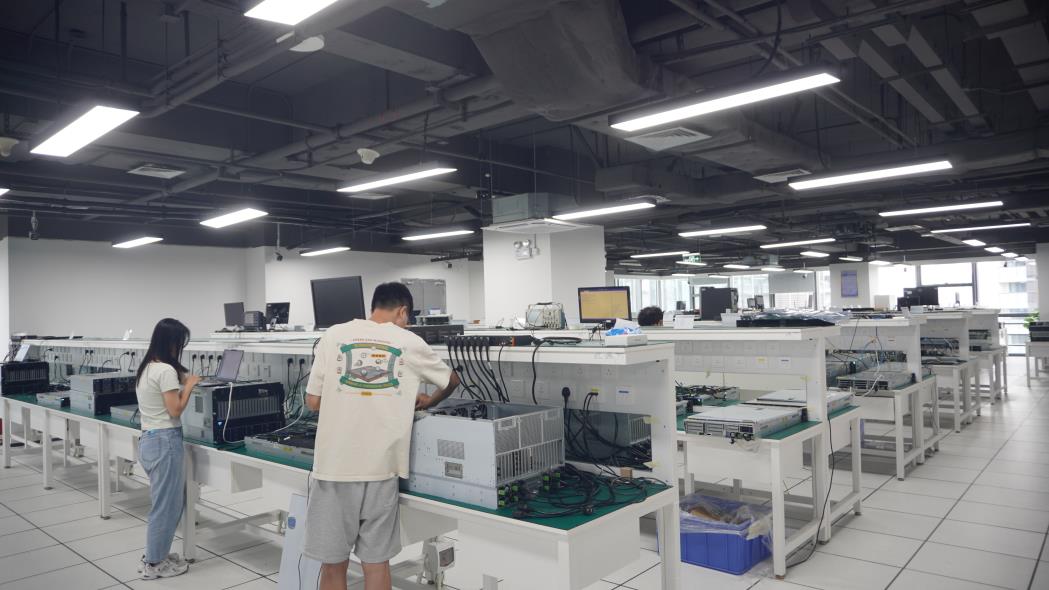
Our testing lab employs 42 inspectors executing multi-phase stress testing. Every bare-metal machine undergoes a mandatory 72-hour burn-in phase, loaded memory validation using ECC checkers, and thermal-chamber cycle testing to verify component reliability under continuous workload spikes.
The rapid growth of models like DeepSeek-R1/V3, LLaMA-3, and other open-source generative architectures has shifted data center hardware priorities. Multi-socket CPU architectures are no longer sufficient; standard high-density GPU deployment is now mandatory.
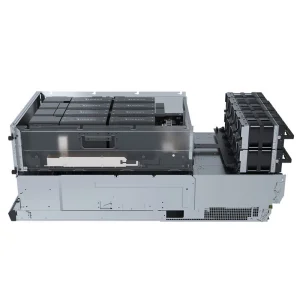
The xFusion FusionServer G8600 V7 represents this shift, featuring an 8U chassis optimized for hosting 8 high-performance enterprise GPUs via high-speed PCIe Gen 5 topologies. This configuration minimizes data transfer latency between accelerators, maximizing computational throughput and minimizing model training times.
As the thermal design power (TDP) of modern dual-socket CPUs exceeds 350W per socket and high-end GPUs cross the 700W threshold, traditional air cooling is reaching its physical limits. Standard data centers struggle to maintain operational PUE (Power Usage Effectiveness) targets.
xFusion and Neuralinko designs are shifting toward liquid-to-air hybrid cooling blocks and direct-to-chip cold plate liquid cooling. This architectural improvement prevents thermal throttling during sustained high workloads, maximizing CPU and GPU performance while reducing cooling overhead by up to 40%.
Data transfers between memory modules and computing cores often create system bottlenecks. The integration of DDR5 RDIMM ECC Memory (running at speeds up to 6400MHz with extremely low latency) provides the high memory bandwidth required for real-time analytics.
Combined with PCIe Gen5 interfaces, which double the throughput of PCIe 4.0, these memory modules support high-bandwidth network adapters and high-speed enterprise NVMe solid-state storage. This enables modern hyperconverged clusters to transfer large datasets with minimal latency.
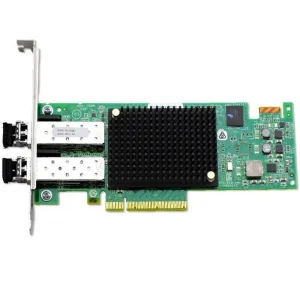
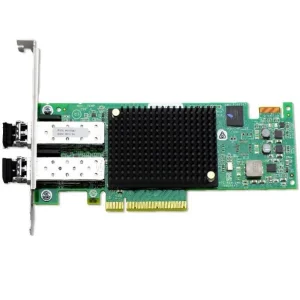
High-speed storage area networks (SAN) require robust host bus adapters. Using components like the Emulex LPe35002-M2 Dual Port 32GB FC HBA Card and Emulex LPe35000 SFP28 interface controllers ensures reliable data transfers to main storage arrays.
These high-speed host bus adapters enable stable, high-throughput connections between xFusion host nodes and enterprise storage systems, maintaining consistent IOPS performance during high-concurrency database queries and VM migrations.
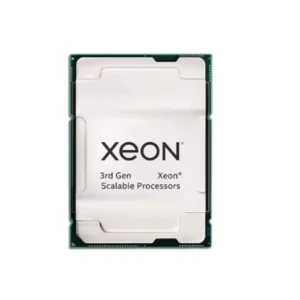
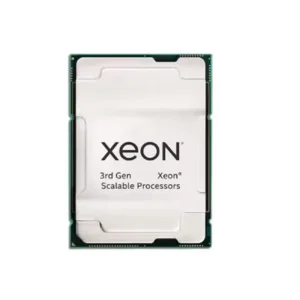
Genomic sequencing and structural protein prediction require significant compute power. Utilizing 2U rack servers equipped with high-core-count Intel Xeon processors and enterprise GPU accelerators, laboratories can parallelize massive datasets, reducing molecular simulation timelines from months to days.
High-frequency trading and fraud detection rely on ultra-low latency processing. The combination of DDR5 ECC memory and dual-port 32Gb/s Emulex Fibre Channel host bus adapters allows financial institutions to run real-time risk assessment algorithms on incoming transaction streams with minimal network lag.
Modern urban infrastructure processes thousands of edge video streams simultaneously. Deploying GPU-optimized node architectures (such as the FusionServer G8600 series) allows municipal control centers to execute real-time traffic flow optimization and object detection algorithms at the edge.
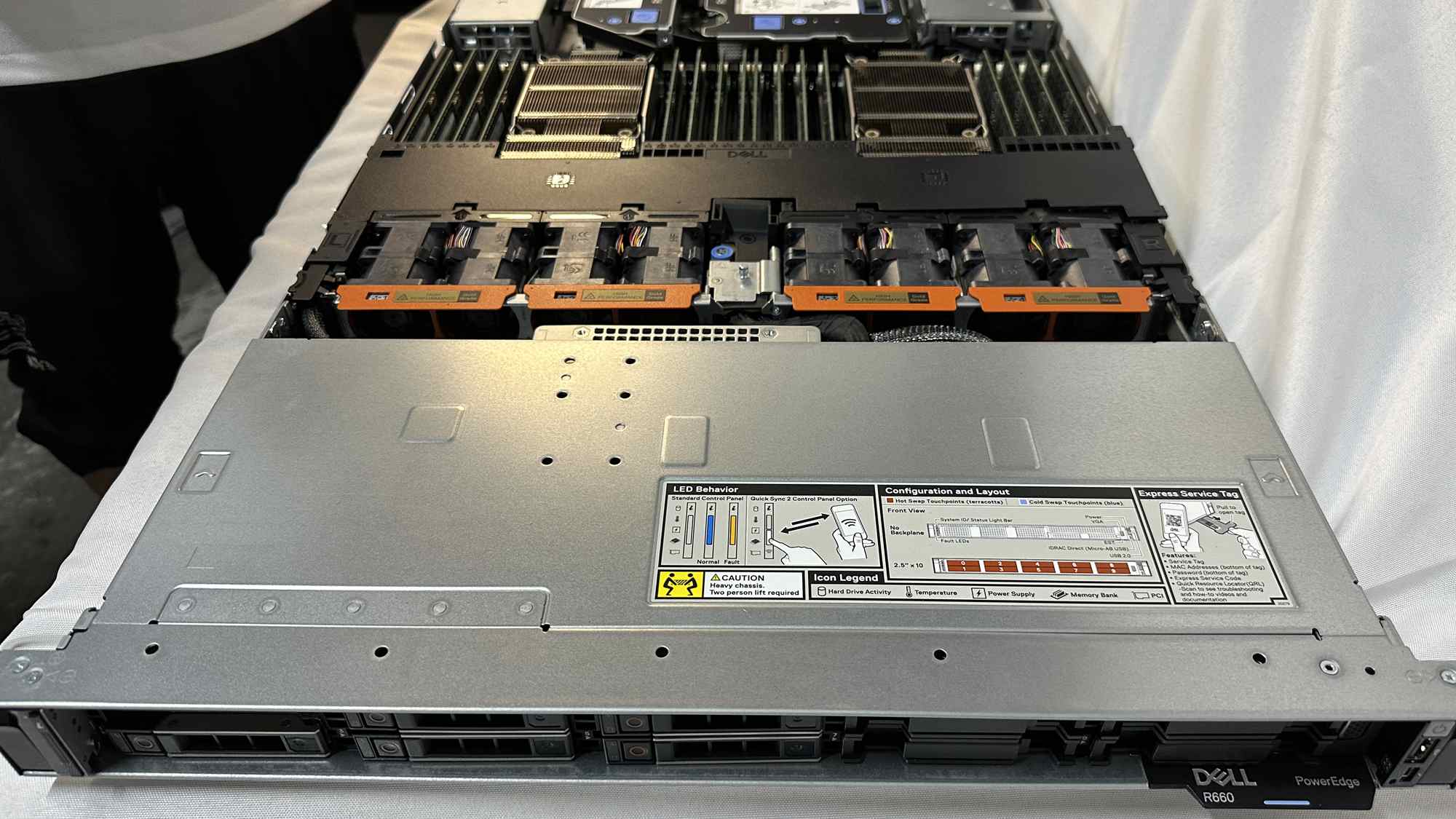
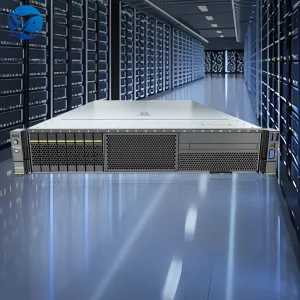
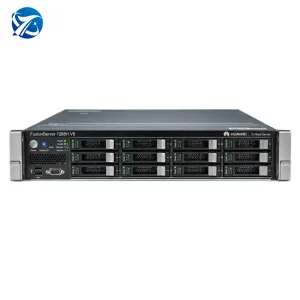
Telecommunication carriers running virtualized network functions (VNFs) require high uptime. The hyperconverged xFusion 2288H V6/V7 hardware architectures provide built-in hardware redundancy, hot-swappable fans, and redundant power supplies, maintaining high availability for cloud services.
Sourcing enterprise IT hardware from international partners requires addressing complex compliance, configuration, and shipping requirements. Neuralinko helps global procurement teams simplify these processes with structured services:
Every processor, memory module, storage drive, and PCB undergoes rigorous verification before assembly.
Precision assembly and configuration of UEFI, IPMI/BMC, and cooling profiles according to project requirements.
Continuous testing under heavy computing loads using software benchmarks to ensure long-term stability.
Applying anti-static barriers and shock-absorbing protective foam to prepare systems for global shipping.