Neuralinko
Neuralinko
Neuralinko
Select enterprise-grade architectures optimizing network bandwidth, GPU distribution, and low-latency storage scaling.
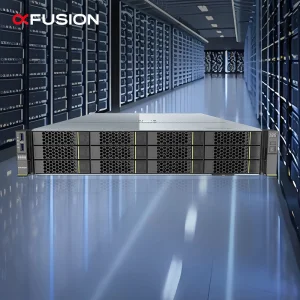
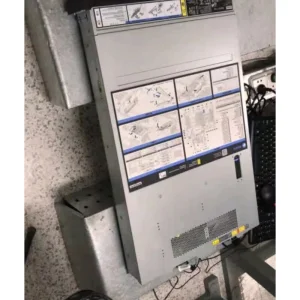
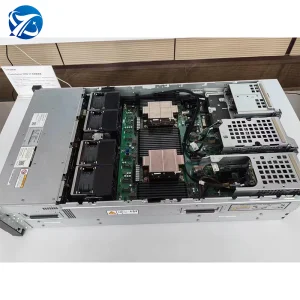
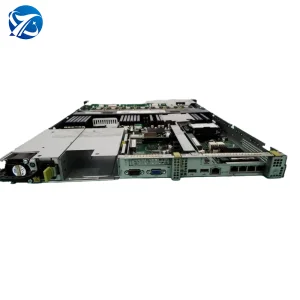
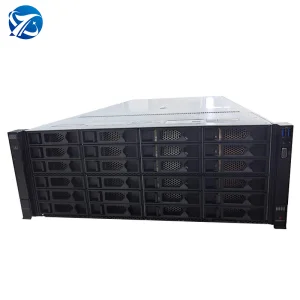
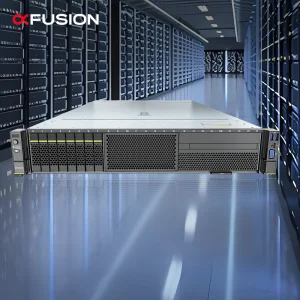
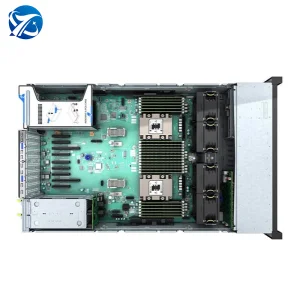
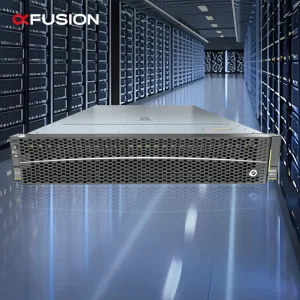
The global enterprise networking and AI server ecosystem is undergoing its most significant paradigm shift in two decades. The emergence of massive Generative AI models (such as deep neural networks and complex inference applications) has driven demand from standard server architectures to highly optimized, GPU-integrated infrastructure platforms. Modern data centers no longer treat networking, memory access, and processor configurations as separate layers; instead, they require a holistic topology that prioritizes hyper-speed internal pathways like InfiniBand, high-speed Ethernet (400Gbps to 800Gbps), and ultra-low latency optical networking switches.
Industrial applications, high-performance computing (HPC) nodes, and cloud hyper-scalers are facing critical architectural bottlenecks. To scale efficiently, procurement officers and systems architects must secure hardware that meets rigorous standards for thermal dissipation, data throughput, and high-frequency workloads. Global manufacturing clusters are adapting to these needs by integrating hardware acceleration directly with software layers, ensuring compatibility with frameworks like Kubernetes, DeepSeek LLM engines, and bare-metal AI clustering systems.
China continues to serve as the structural anchor for the global electronics and networking hardware supply chain. Beyond simple assembly capacity, the resilience of Chinese facilities stems from deeply integrated industrial clusters in areas like Shenzhen, Dongguan, and Suzhou. A single factory in these hubs has rapid access to a comprehensive ecosystem of component vendors within a 50-kilometer radius, covering high-layer PCBs, advanced metal enclosures, custom wire harnesses, and precision active cooling fans.
Instant access to passive components, high-speed backplane connectors, and advanced silicon arrays reduces lead times from several months to a few weeks, even during global component shortages.
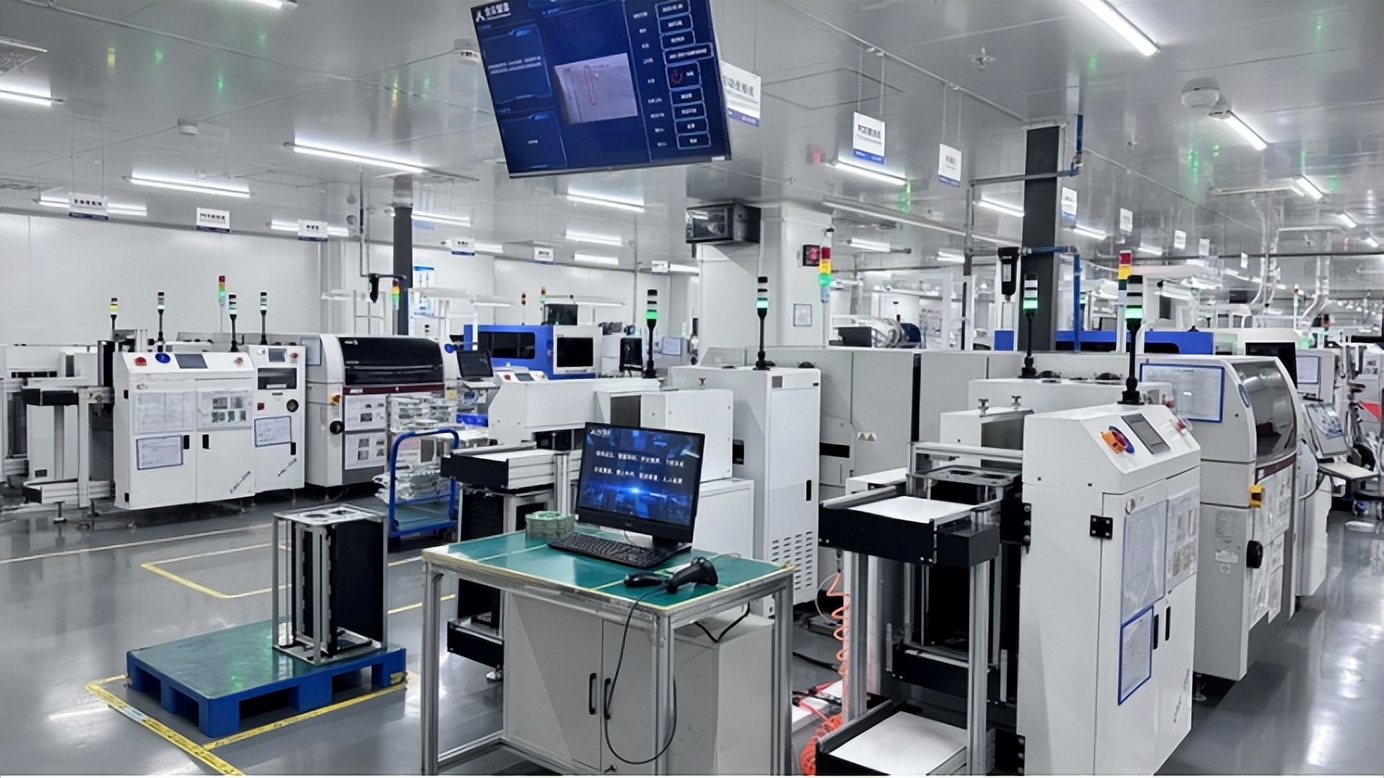
Modern Chinese SMT (Surface Mount Technology) lines feature automated optical inspection (AOI) and multi-axis pick-and-place systems, maintaining solder joint failure rates below 5 PPM (parts per million).
Established export channels, combined with direct freight connections to major ocean ports and international airports, ensure secure door-to-door transit for high-value enterprise server racks.
This structural efficiency allows manufacturers to support complex OEM (Original Equipment Manufacturer) and ODM (Original Design Manufacturer) projects. Enterprise clients can customize networking equipment down to the ASIC level, configure specialized BIOS settings, design optimized power distributions, and request proprietary branding, while maintaining competitive manufacturing costs.
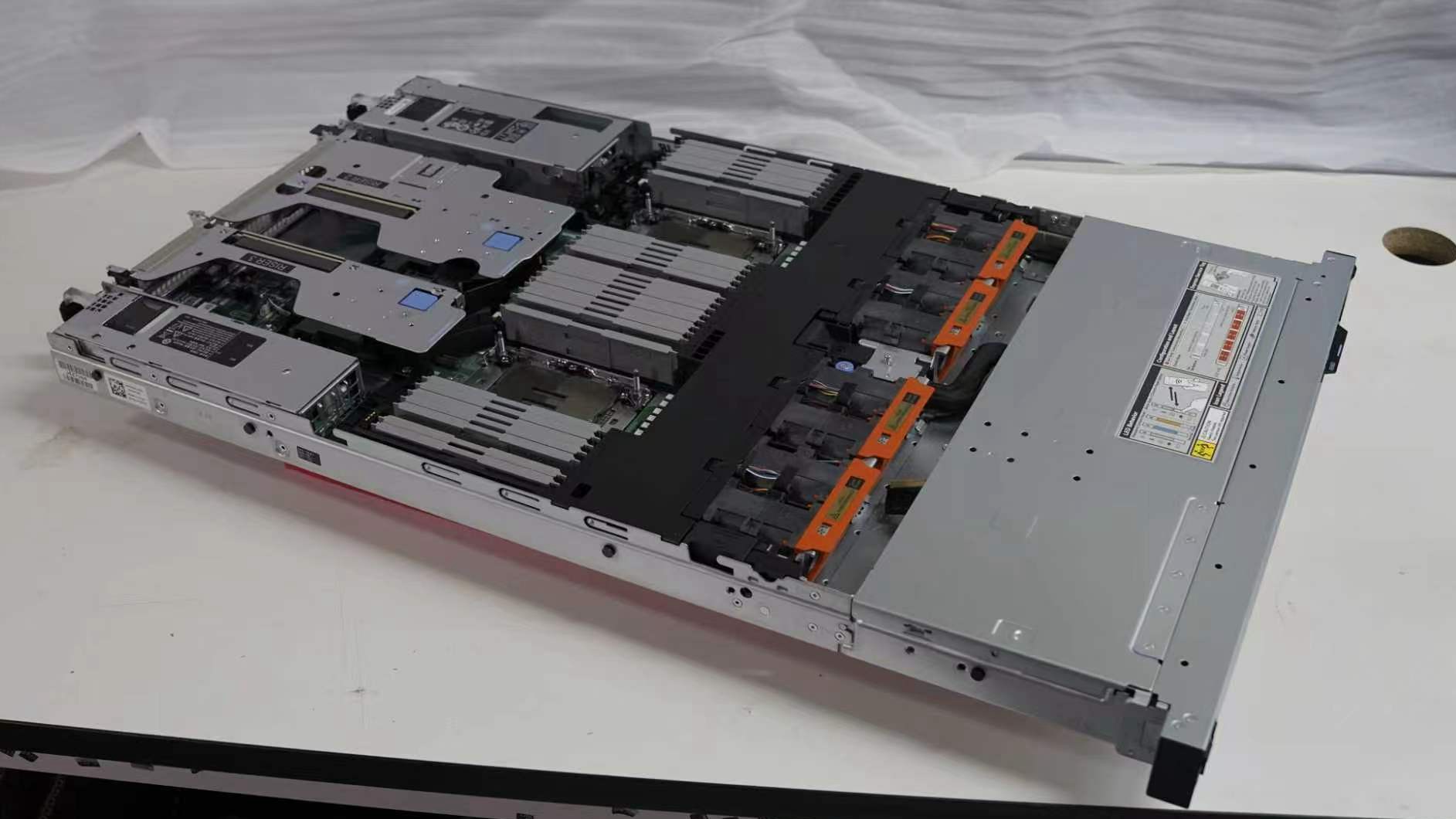
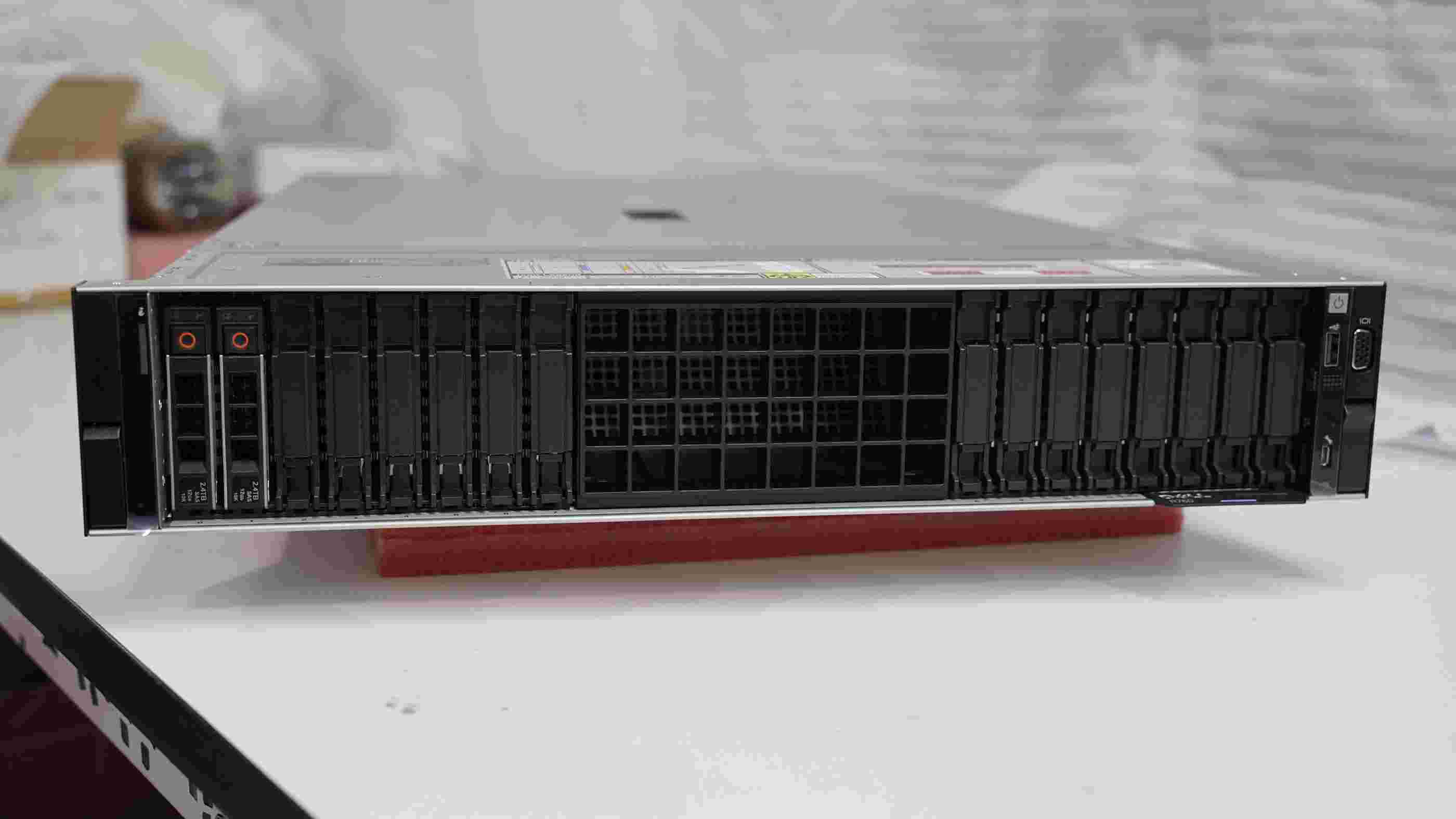
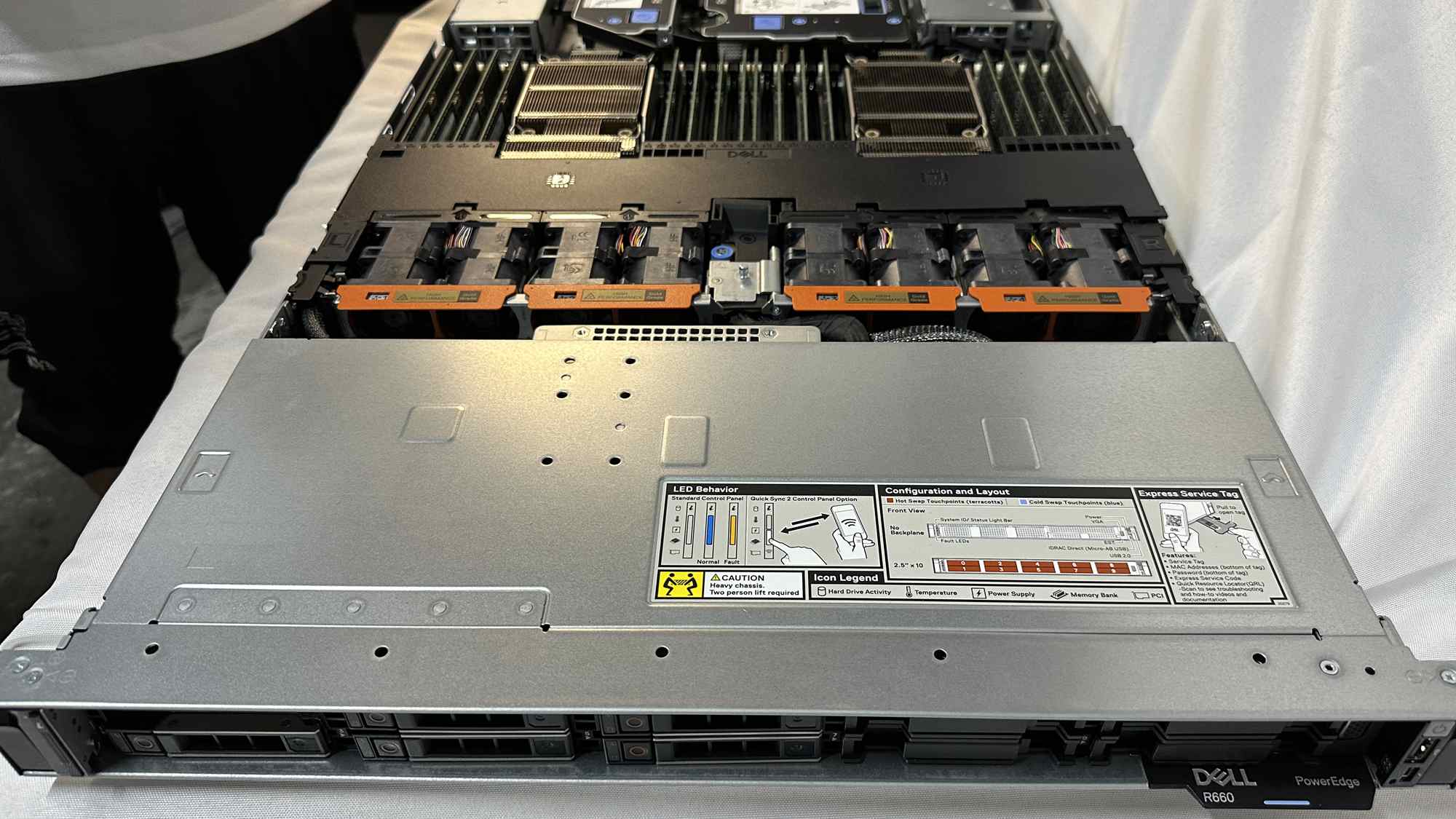
Neuralinko is a professional AI server manufacturer specializing in high-performance GPU servers, AI computing infrastructure, and customized data center solutions for global enterprises.
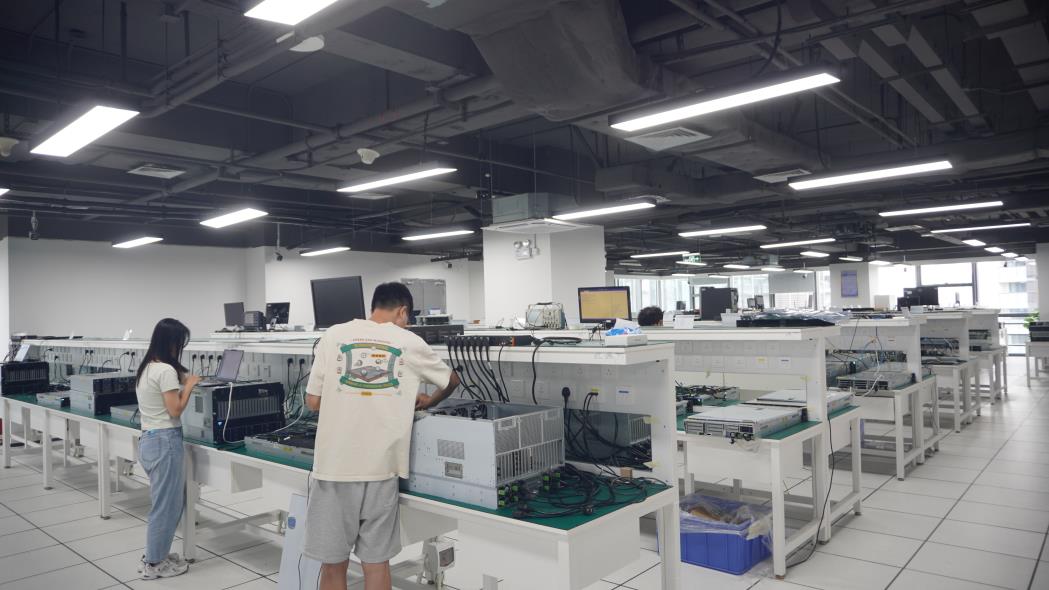
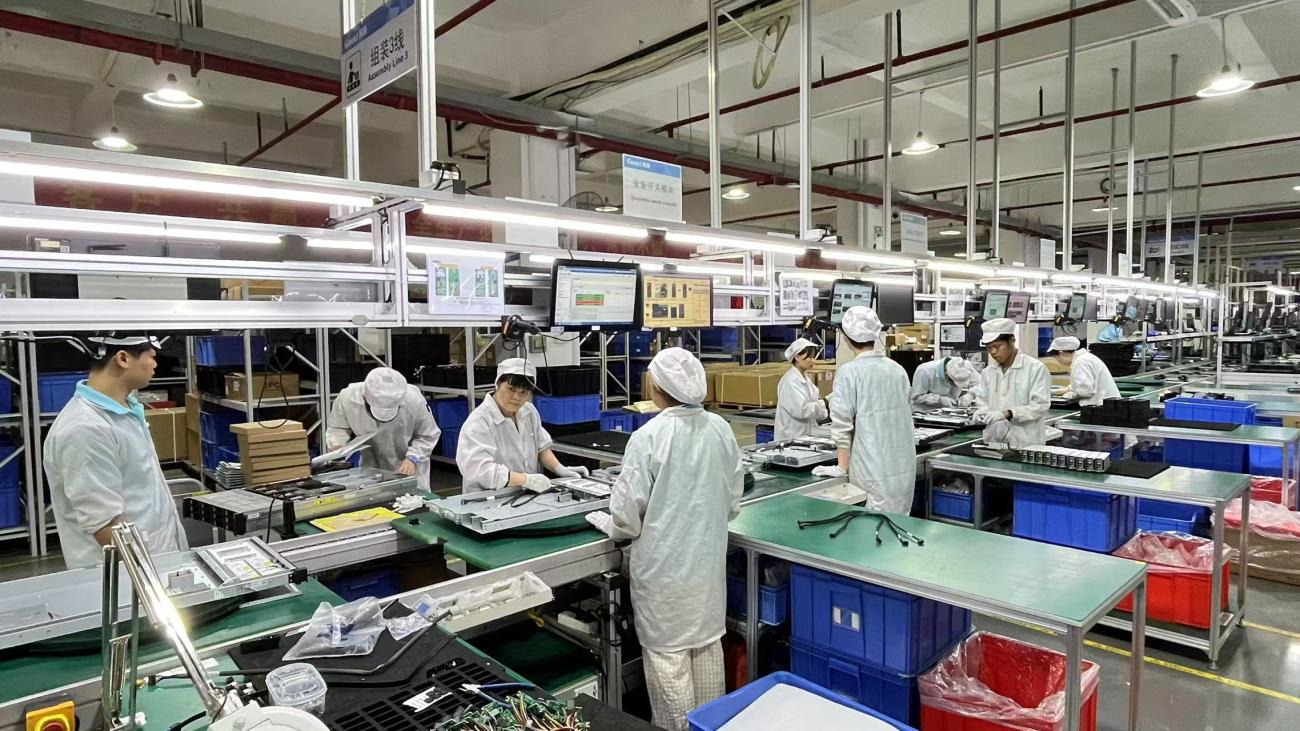
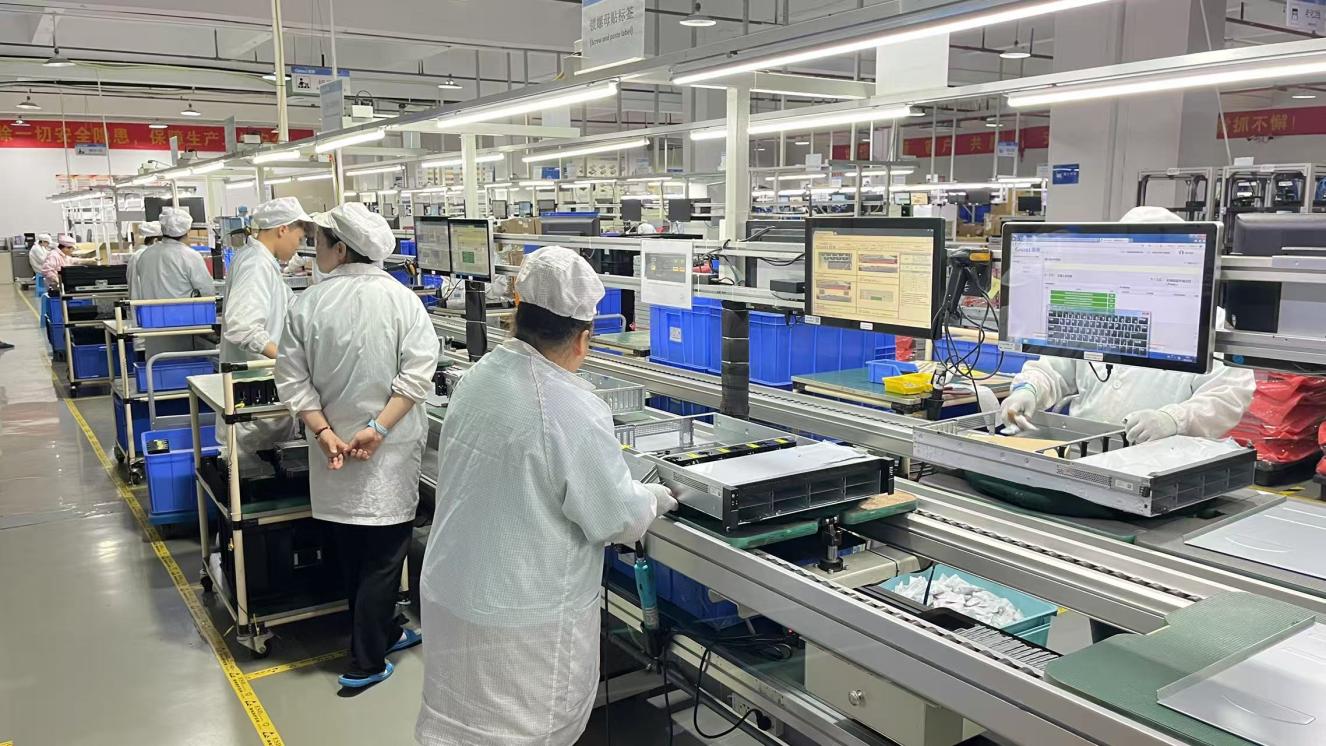
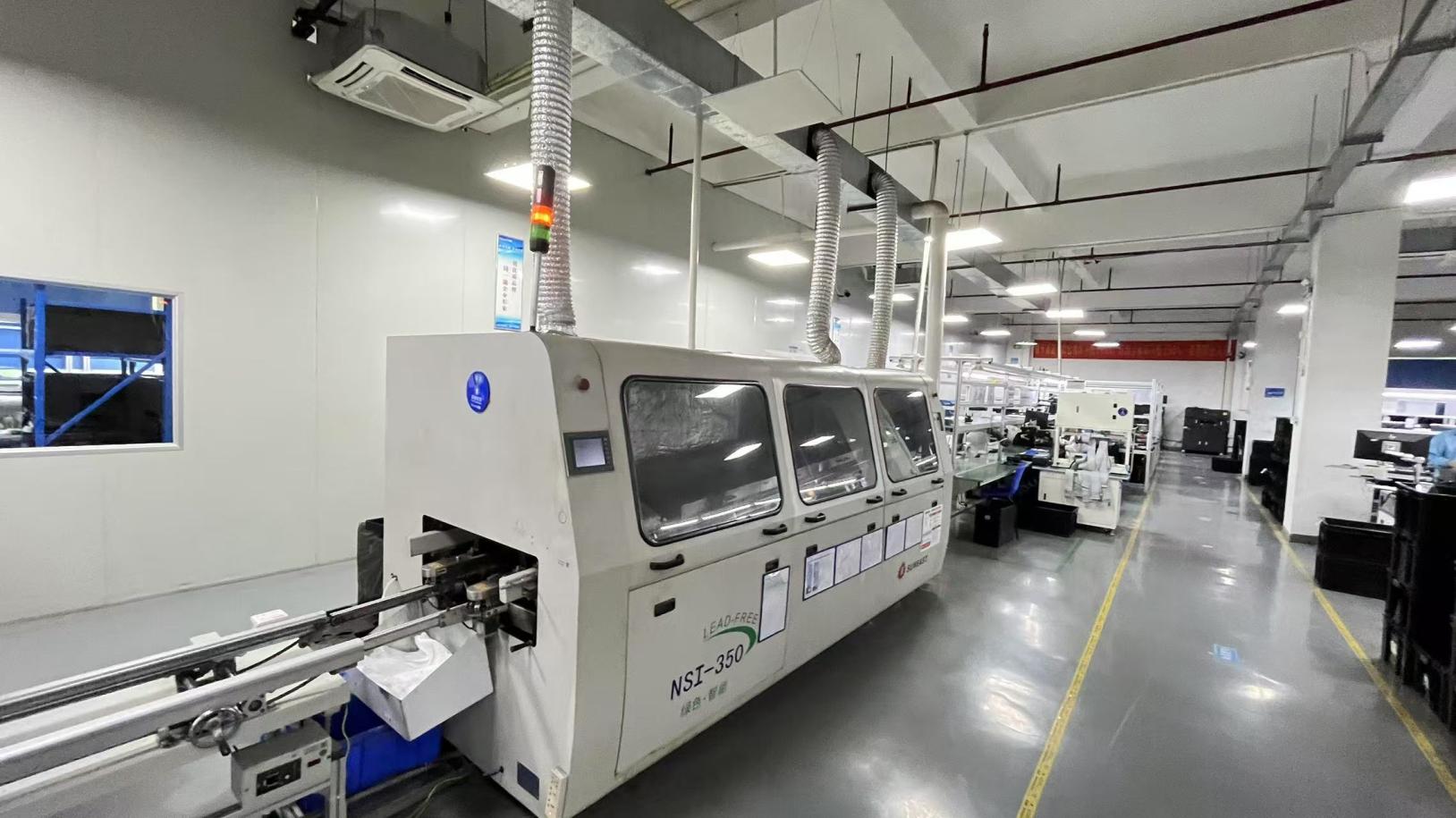
Established in 2018, Neuralinko operates a modern 386㎡ production and engineering facility, delivering reliable AI hardware solutions for machine learning, deep learning, large language models (LLMs), cloud computing, and HPC applications. With over 8 years of industry experience and 6 years of export expertise, Neuralinko has built a strong reputation for providing scalable, energy-efficient, and enterprise-grade AI server systems. Our primary markets include North America, Europe, Southeast Asia, the Middle East, and Australia.
Quality remains at the center of Neuralinko's operations. The facility implements strict quality control procedures, including incoming material inspection (IQC), in-process quality monitoring (IPQC), systematic burn-in testing under peak thermal loads, deep performance benchmarking, thermal profiling, and final product verification. Our partner network includes over 1,200 component manufacturers and technology providers, ensuring access to stable component supplies, competitive pricing, and fast delivery timelines.
As transmission speeds climb toward 1.6 Terabits per second (Tbps) and processors approach their thermal design power (TDP) limits, network and compute hardware architectures are moving in several new directions:
By shifting optical transceivers from the faceplate directly onto the silicon substrate of network switches, CPO reduces transmission distance, lowers power consumption by up to 30%, and minimizes signal degradation.
Standard air cooling is struggle to dissipate heat for systems running above 350W per socket. Manufacturers are designing direct-to-chip (D2C) liquid cold plates and full immersion cooling racks to keep modern high-performance servers running stably.
CXL protocols enable memory pooling and device sharing between CPUs, GPUs, and network cards, breaking down memory bottlenecks in large-scale AI training and data processing.
This roadmap ensures that enterprise IT organizations can future-proof their network architectures by purchasing platforms built to support high-density configurations, PCIe Gen 6 throughput, and modular liquid-cooled deployments.
High-performance servers and networking systems must be configured to meet the unique operational patterns of specific local applications.
Modern localized data centers deploy GPU servers to process local-language LLMs (such as DeepSeek and LLaMA) for financial analysis, compliance auditing, and secure regional research. This requires localized disk configurations and high-speed local network interfaces to isolate sensitive intellectual property.
Deployed in distribution centers, automated assembly lines, and high-volume retail hubs, edge server configurations process video feeds, sensor arrays, and IoT telemetry locally, avoiding the latency and bandwidth costs of streaming data to a central cloud.
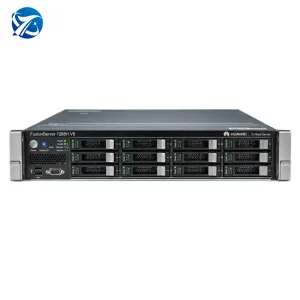
Telecommunications operators use enterprise 1U and 2U rack servers to manage Virtual Network Functions (VNFs), Software-Defined Networking (SDN) components, and local cellular baseband processing, which demand high continuous reliability and wide operating temperature ranges.
Entering international markets requires strict adherence to global safety, emissions, and environmental standards. Top-tier hardware manufacturers invest heavily in certifications to ensure compatibility and trouble-free integration within regulated facilities globally.
Additionally, manufacturing plants must run under ISO 9001:2015 quality management systems, utilizing systematic trace codes on all printed circuit board assemblies. This traceability ensures that if a single capacitor or processor experiences an issue, the manufacturer can identify and isolate every other system built using that specific components batch.
Addressing essential technical, logistical, and architectural questions raised by enterprise procurement officers and infrastructure managers.
OEM (Original Equipment Manufacturer) services focus on manufacturing hardware to your pre-existing designs and technical specifications, often applying your branding. ODM (Original Design Manufacturer) services involve the factory designing, engineering, and manufacturing the hardware based on your functional specifications, handling the design work from start to finish.
Quality systems use a structured burn-in testing process. Fully assembled server systems are placed in temperature-controlled chambers at 40°C–45°C and run under maximum CPU, GPU, and memory load for 24 to 72 hours. This process helps identify and replace weak semiconductor components before the system is packaged and shipped.
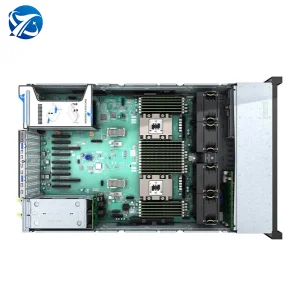
Running localized DeepSeek or other large language models requires high memory bandwidth. A 2U, dual-socket platform supporting DDR5 ECC memory, combined with PCIe Gen 5 expansion slots for multi-GPU cards, and high-speed network interfaces (minimum 100GbE or RoCE v2) will prevent throughput bottlenecks between servers during training and inference.
Standard off-the-shelf configurations typically ship within 5 to 10 business days. Custom OEM/ODM designs that require custom chassis, specialized power units, or custom BIOS configurations usually require 4 to 8 weeks, depending on component availability and the validation testing needed.
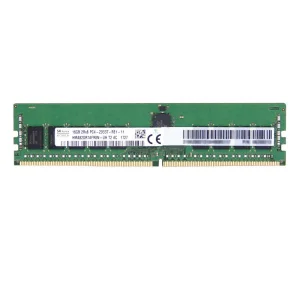
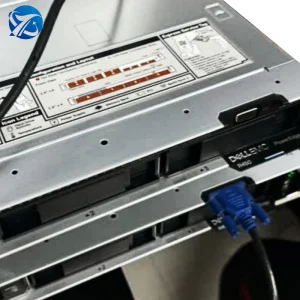
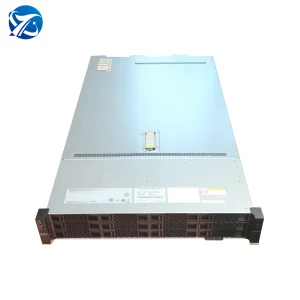
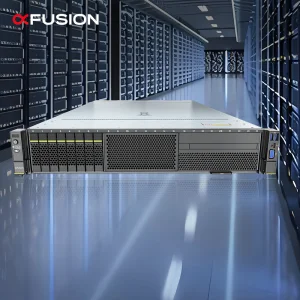
Standard infrastructure platforms and high-density memory modules designed for continuous cloud applications.