Neuralinko
Neuralinko
Neuralinko
Explore our curated elite-tier compute solutions, engineered for rigorous operational integrity, low latency, and optimized TCO across high-performance deployments.
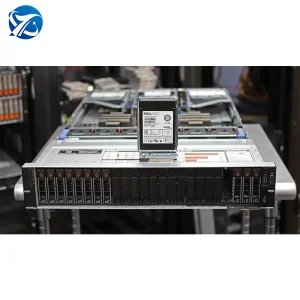
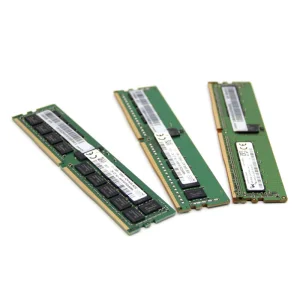
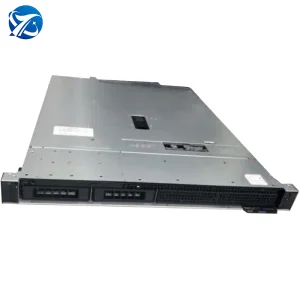
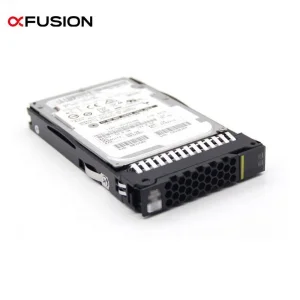
Neuralinko Intelligent Technology Co., Ltd. architectural capacity and core enterprise statistics.
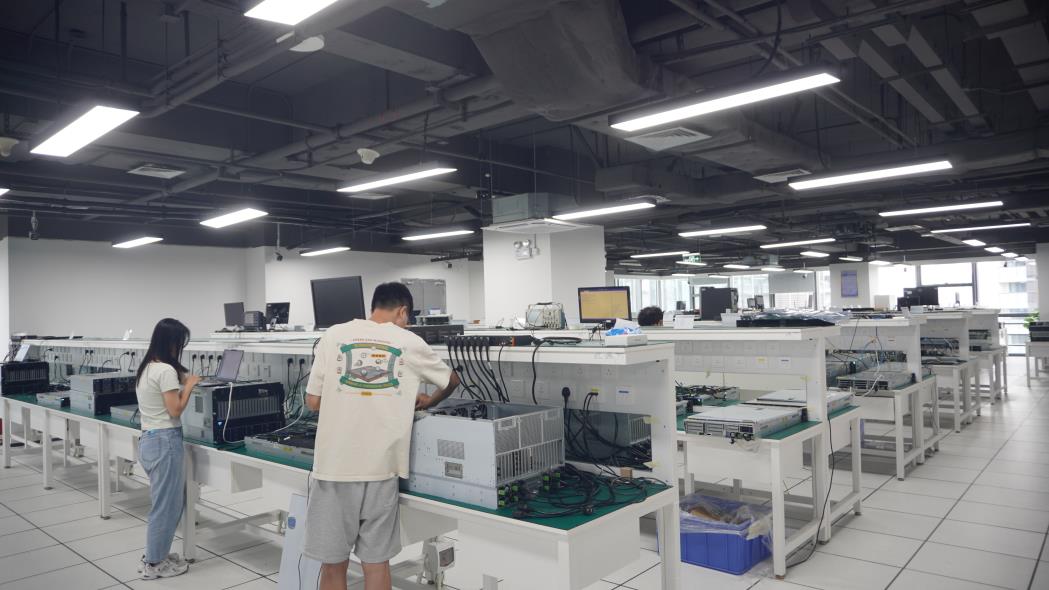
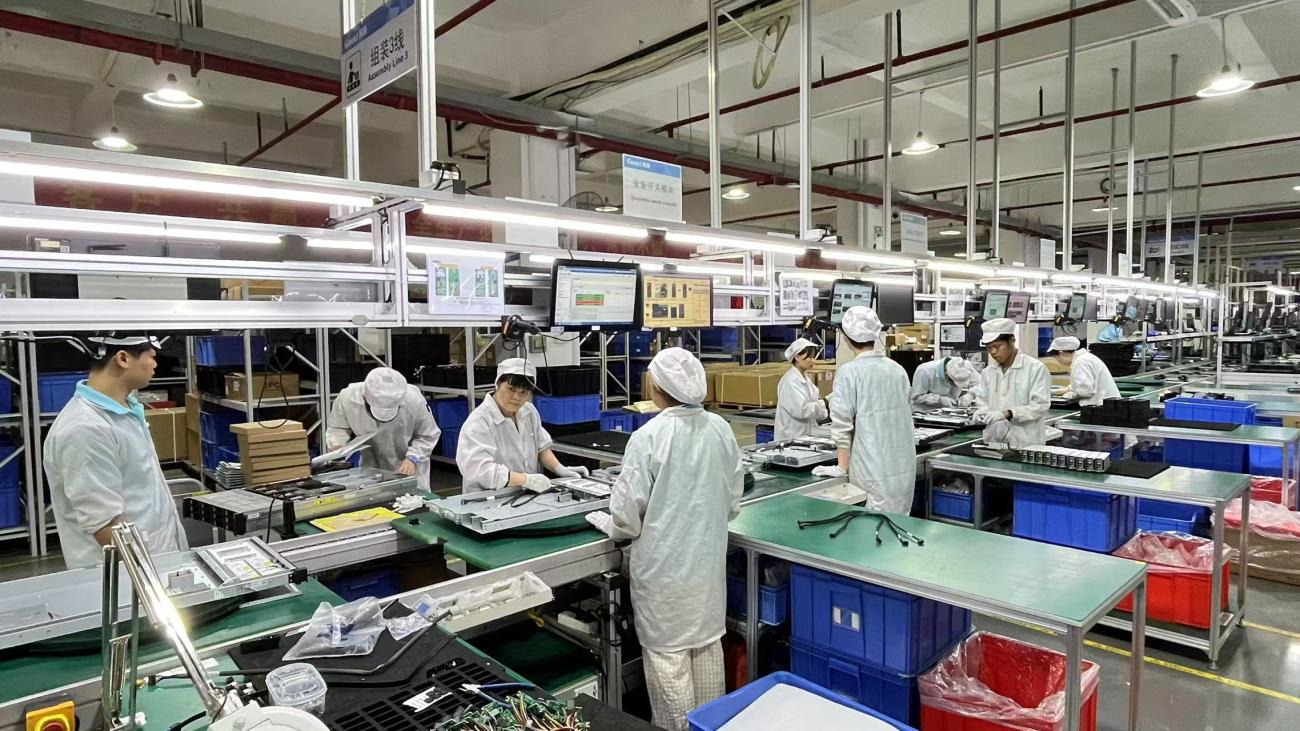
Neuralinko Intelligent Technology Co., Ltd. stands at the vanguard of specialized enterprise AI compute manufacturing, engineering multi-node, high-capacity GPU systems, modular data center building blocks, and highly calibrated processing units customized for critical international operations. From our highly refined 386㎡ production facility and integrated laboratory matrix, our technical teams implement advanced hardware configurations engineered specifically to master highly intense modern workloads—including machine learning validation protocols, deep neural network training, expansive Large Language Models (LLMs) such as DeepSeek, hyper-converged cloud networks, and classic high-performance computing (HPC) research environments.
Backed by over 8 years of specialized architectural immersion and 6 years of flawless international execution, Neuralinko serves as a premier strategic node in China's advanced server cluster manufacturing framework. We bridge raw computational demand with highly resilient, thermally optimized, low-TCO hardware engineering. Our systems are engineered to withstand prolonged stress loads, ensuring high compute density and system-level dependability across heterogeneous topologies worldwide.
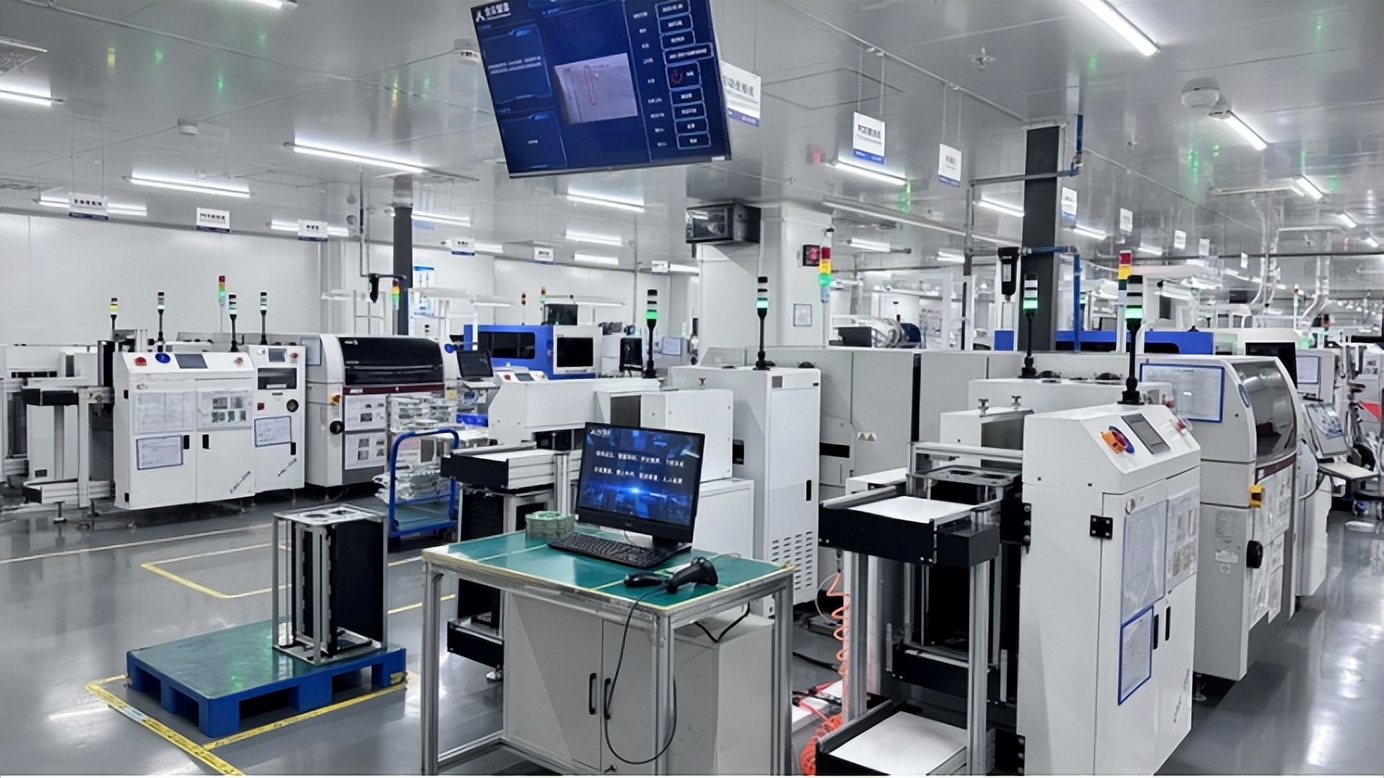
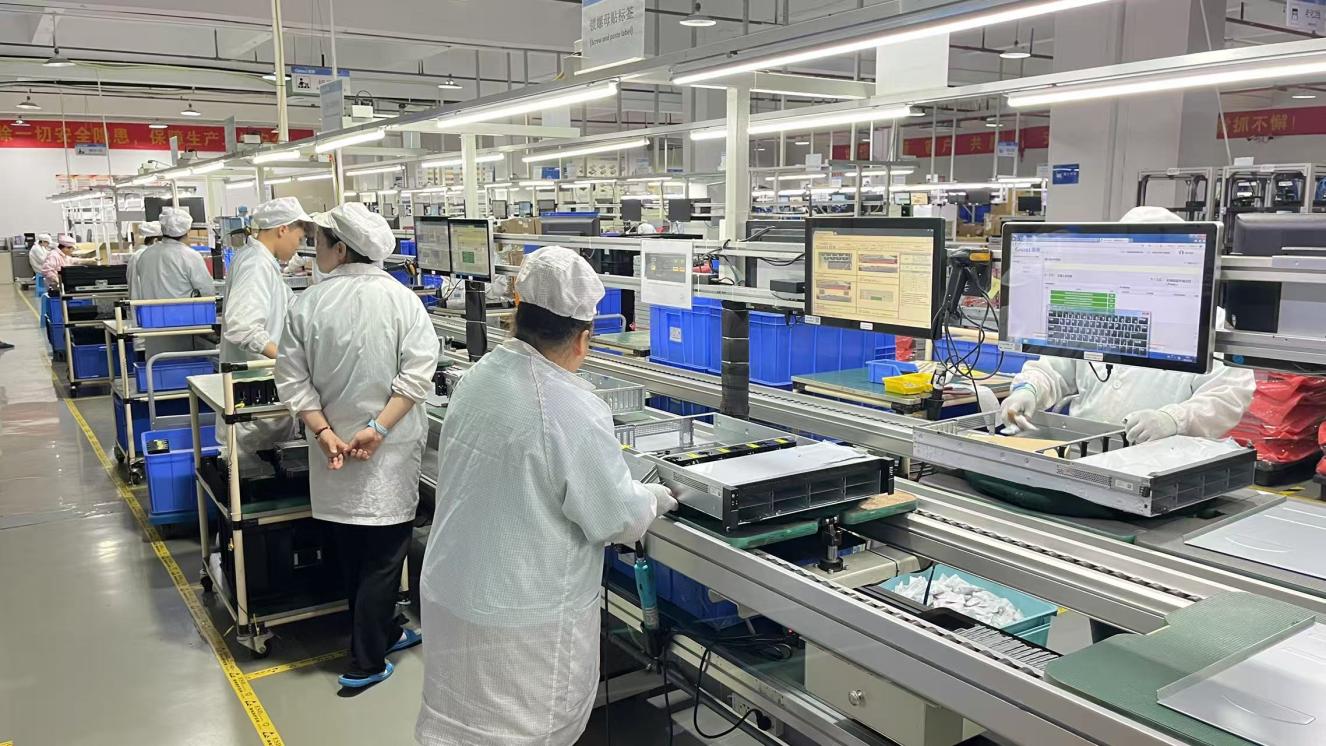
Deploying specialized compute configurations to resolve real-world hyperscale challenges and localized processing tasks.
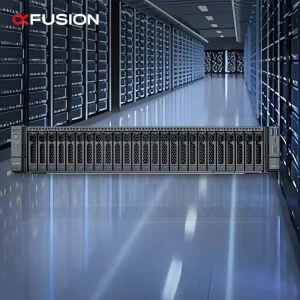
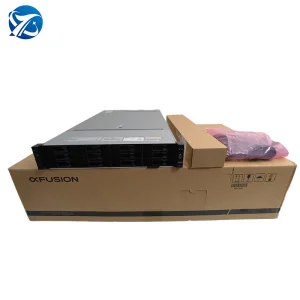
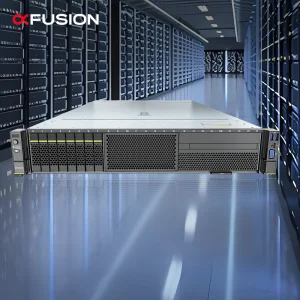
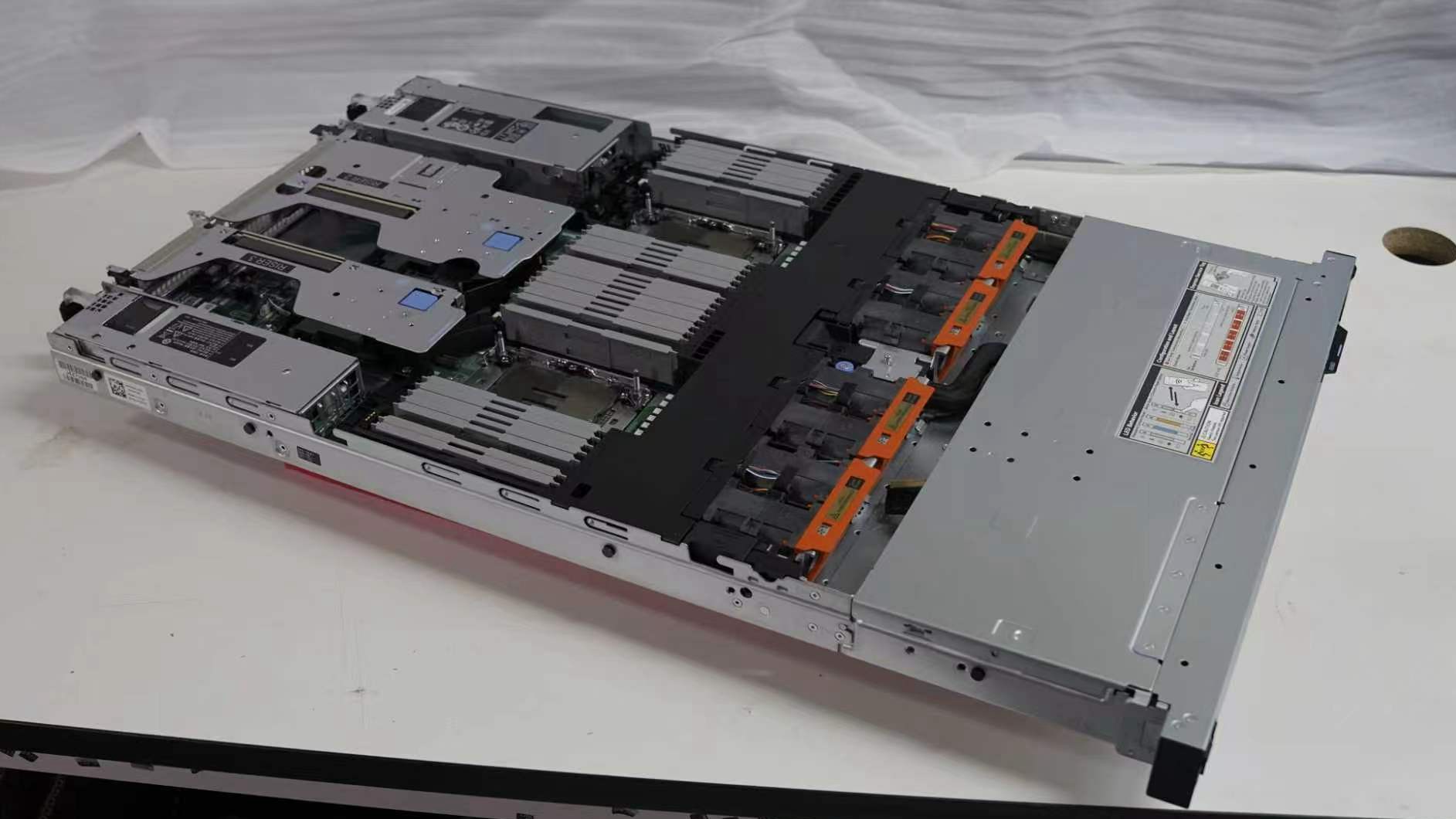
Modern localized applications demand massive linear algebra acceleration and low-latency memory paths. The xFusion architectures, such as the 1288H V7 and 2488H V7, provide optimized PCIe slot layouts and power delivery matrices capable of driving dense accelerator boards. This enables seamless inferencing and token generation routines for advanced frameworks like DeepSeek, minimizing latency overhead through hyper-isolated node-to-node links.
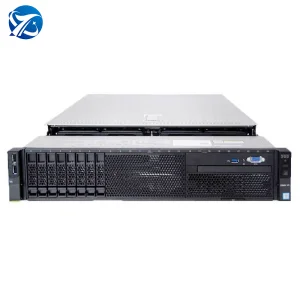
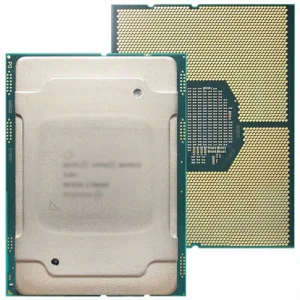
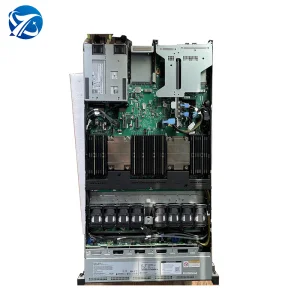
By leveraging dense dual-socket or quad-socket multi-core configurations (such as Xeon Gold environments housed inside the FusionServer 2288H V6), cloud infrastructure teams achieve unprecedented core density per rack unit. High-speed RDIMM memory integration handles vast virtual machine allocations, balancing localized client segmentation with rigorous hypervisor isolation rules.
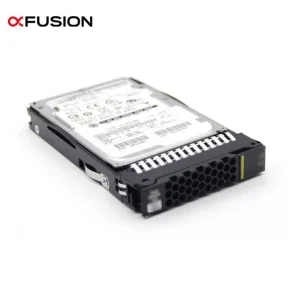
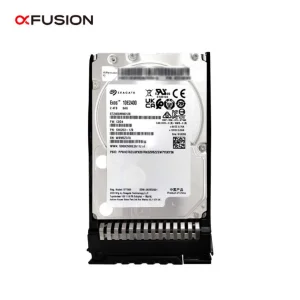
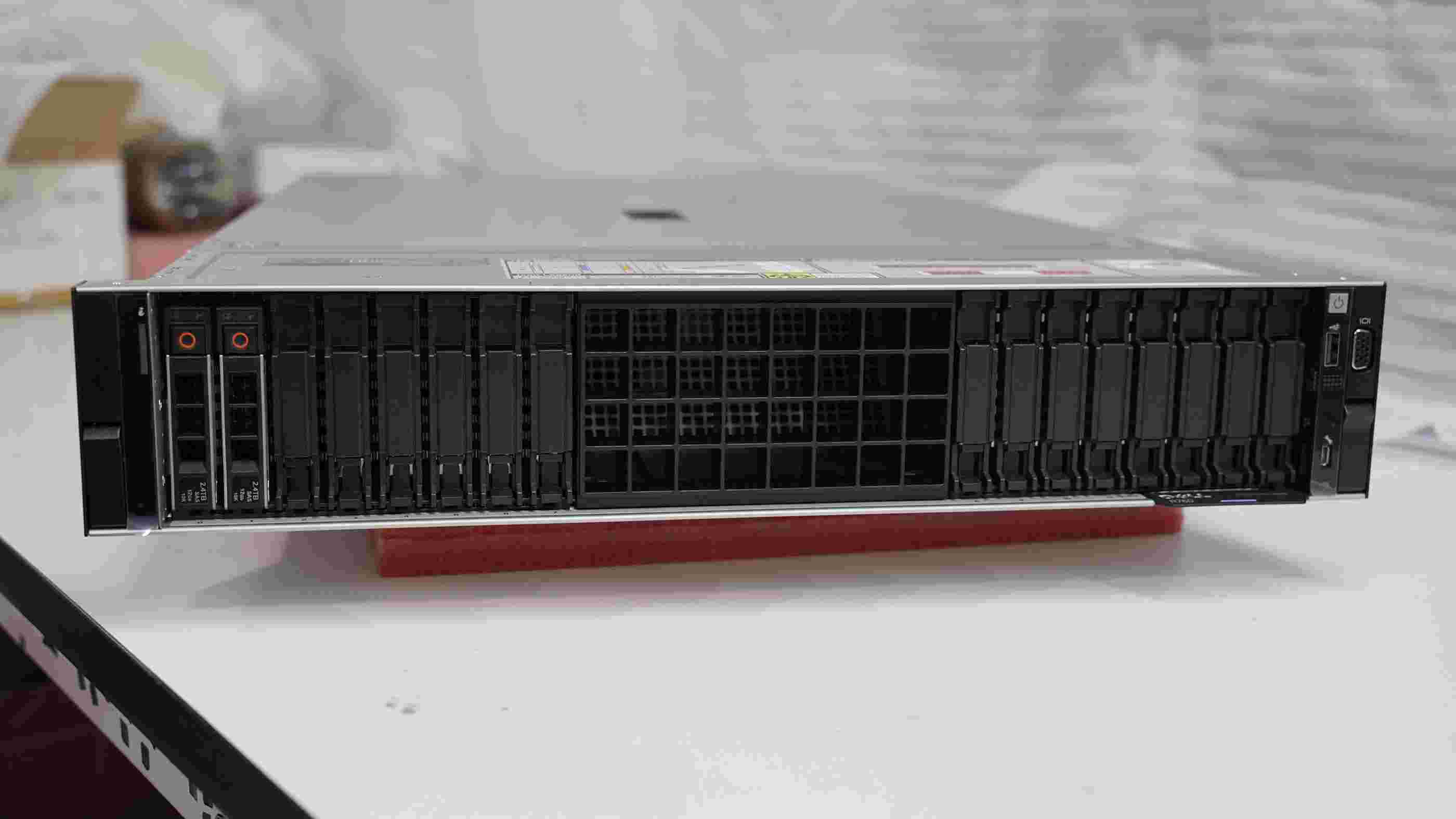
Integrating hybrid storage fabrics utilizing high-end NVMe PCIe storage nodes (like the EP600 Series) alongside high-capacity SAS hard drives enables enterprises to deploy high-throughput caching tiers. Mission-critical financial transactional databases and relational ERP repositories experience ultra-low storage latency, eliminating classical I/O bottlenecks while maintaining structured cold-data paths.
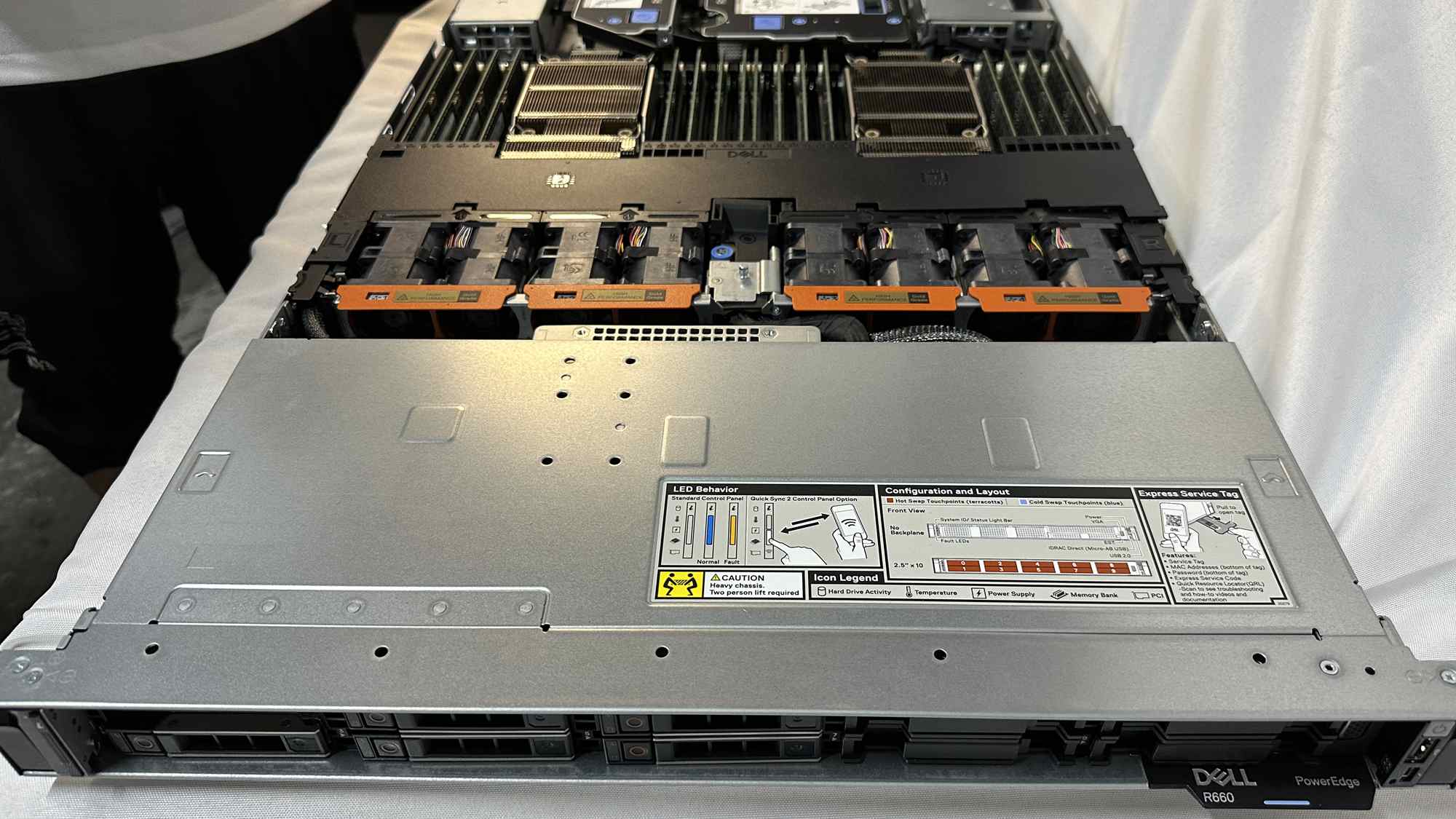
The manufacturing architecture at Neuralinko leverages one of the world's most sophisticated computational hardware ecosystems. Our long-term collaborative network spans over 1,200 verified tier-one component manufacturers, silicon providers, board layout authorities, and precision metal fabricators. This concentrated logistical integration ensures that our factory remains entirely immune to localized component distribution bottlenecks and global resource volatility.
Rather than functioning merely as an assembly node, our facility operates an end-to-end component traceability matrix. From raw PCB fabrication to high-frequency dielectric testing, every phase of production is carefully managed to maximize cost-efficiency and ensure structural predictability. For global data center procurers, this deep industrial integration translates directly into rapid deployment schedules, transparent price-to-performance metrics, and immediate access to critical silicon innovations from major industry partners.
Logistical Advantage: Our verified component ecosystem maintains production continuity, allowing us to successfully engineer, configure, and ship 126 complex newly refined system topologies within the last fiscal year alone.
Strategic technological progressions curated by our 118-engineer development division to meet tomorrow's dense computing challenges.
As processor TDP scales past 350W-400W thresholds, traditional forced-air chassis engineering meets physical boundaries. Our R&D group is prototyping integrated direct-to-chip liquid cold plates and hybrid closed-loop liquid transport systems. These advancements ensure consistent junction temperatures, minimize parasitics, and reduce data center PUE to historical lows.
To support high-bandwidth memory allocation and heterogeneous resource pooling, our next-generation node schematics embrace PCIe Gen6 physical signaling standards. By combining this with Compute Express Link (CXL) hardware verification, our upcoming rack matrices will support dynamically allocatable memory-sharing pools, minimizing memory fragmentation across localized host nodes.
To reduce human operational footprints inside Tier-IV data centers, Neuralinko is developing an AI-driven Out-of-Band (OOB) monitoring extension. Built upon standardized OpenBMC architectures, this localized telemetry pipeline monitors transient voltage ripple, memory parity deviations, and mechanical degradation signatures before structural fail-states can manifest.
At Neuralinko, systemic reliability is measured via strict empirical validation. Our dedicated Quality Assurance hierarchy comprises 42 senior quality inspectors equipped with advanced automated test environments and thermal diagnostics arrays. We treat quality control not as a casual end-of-line verification, but as an exhaustive multi-phase manufacturing lifecycle gateway.
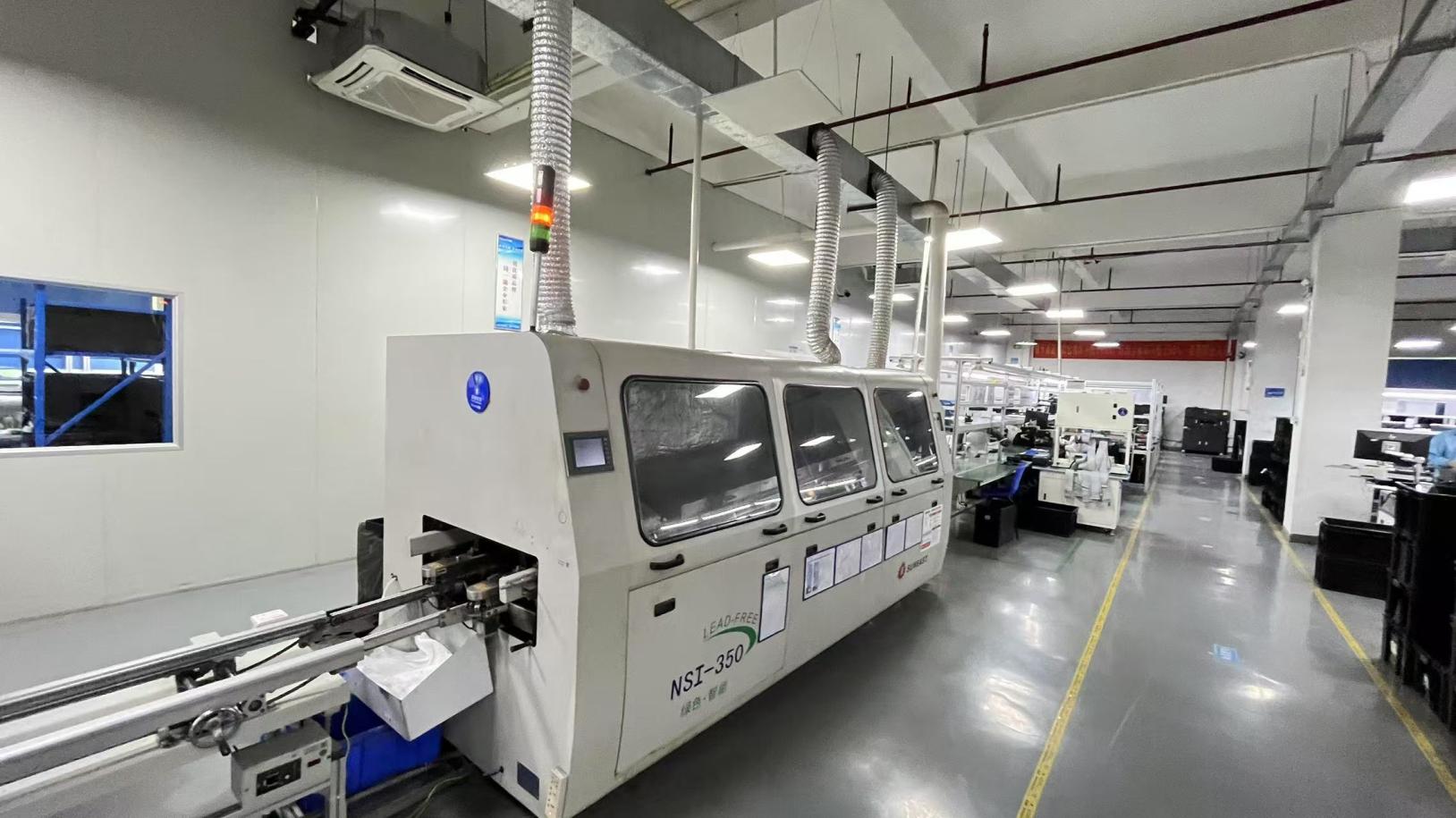
Structuring international hardware handshakes with comprehensive administrative compliance, secure logistics, and expert field service engineering.
Operating across complex modern global boundaries requires rigorous adherence to technical compliance structures and logistical protocols. Neuralinko guarantees that all distributed xFusion platform components, customized compute towers, and hyper-converged arrays are fully certified under applicable international mandates, including CE directives, FCC interference limits, and RoHS eco-preservation metrics. Our engineering division works alongside regional field specialists to align structural power configurations with variable utility specifications, ensuring stable system integration across North America, Europe, Southeast Asia, the Middle East, and Australia.
Furthermore, our robust OEM and ODM engineering capabilities allow client systems to be delivered with tailored BIOS assets, unique cryptographic boot properties, and customized structural chassis panels. This deep hardware and firmware tailoring ensures seamless compatibility with existing server infrastructure, fulfilling strict data sovereignty guidelines, localized tenant security laws, and enterprise risk management protocols.
Exhaustive engineering insights responding directly to high-intent commercial and technical procurement inquiries.
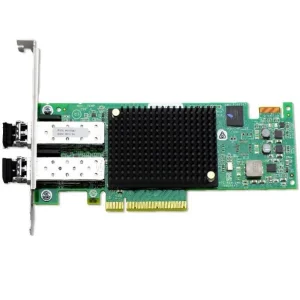
Complete your deployment layout with specialized structural network switches, memory architectures, storage arrays, and high-performance core processors.