Neuralinko
Neuralinko
Neuralinko
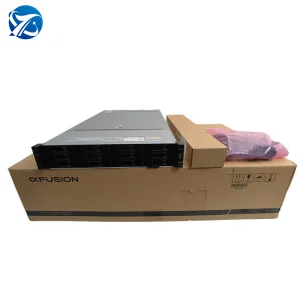
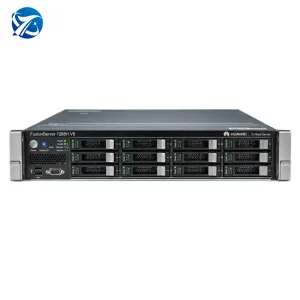
High-density 1U & 2U compute modules certified to CE standards, configured for elastic workloads.
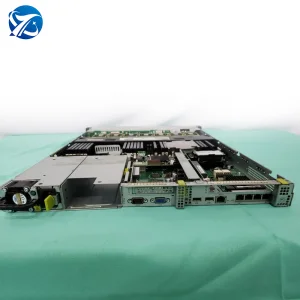
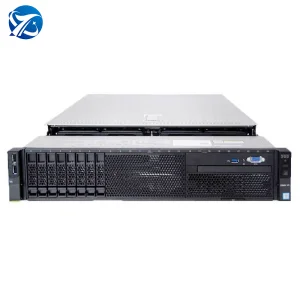
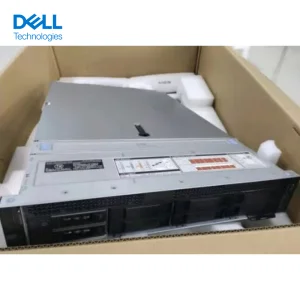
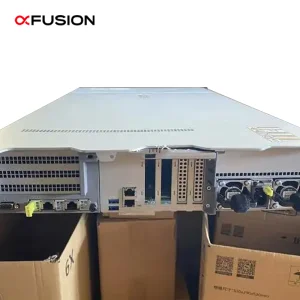
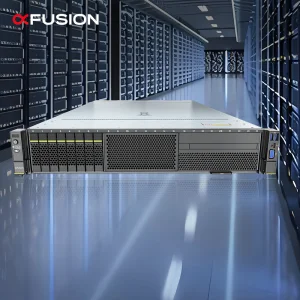
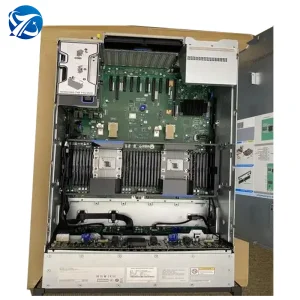
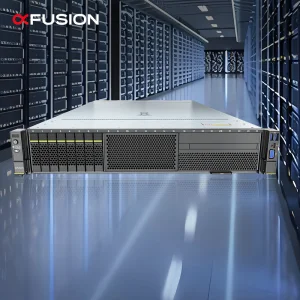
For global IT buyers and datacenter operators, purchasing hardware without official CE Certification introduces extreme regulatory, operational, and financial risk. CE marking signifies that our enterprise bare-metal architectures and GPU accelerators comply with all European Economic Area (EEA) health, safety, and environmental protection standards.
Our infrastructure undergoes strict electromagnetic compatibility (EMC) testing under Directive 2014/30/EU to ensure zero interference in dense rack settings, alongside the Low Voltage Directive (LVD) 2014/35/EU for baseline operational safety.
The intersection of rapid electronic prototyping, integrated metal-alloy chassis extrusion, and localized component sourcing has established China as the focal center of global hardware innovation.
Neuralinko leverages this deep ecosystem to bypass standard manufacturing bottlenecks. By maintaining co-location agreements with structural foundries, high-speed printed circuit board (PCB) fabricators, and advanced silicon vendors, we guarantee structural adaptability, fast iteration, and robust lead-time windows for enterprise clients globally.
Contemporary procurement demands more than off-the-shelf hardware; it requires deep platform alignment. As AI models scale into trillions of parameters, hybrid deployments present the optimal middle ground: maintaining sensitive datasets locally on bare-metal servers while utilizing public clouds for burst computation.
By designing servers with flexible PCIe lanes, high-bandwidth interconnects (like InfiniBand and 100GbE RoCE v2), and high-efficiency power architectures, we help clients slash operating expenses (OpEx) while maintaining complete sovereignty over proprietary data assets.
The architecture of enterprise information technology is undergoing a structural paradigm shift. The initial wave of cloud migration saw organizations rush toward centralized public cloud environments, attracted by the promise of infinite elasticity and minimal hardware maintenance. However, as organizations scaled, they encountered unexpected obstacles: unpredictable egress costs, data sovereignty concerns, complex vendor lock-in dependencies, and severe latency bottlenecks for time-sensitive, edge-based systems.
This realization has driven the rise of the Hybrid Cloud Framework. By integrating private computing layers with public clouds, modern enterprises achieve a balanced strategy: retaining security and latency control over core transactional data while utilizing public cloud scalability for temporary processing spikes. In this architectural layout, physical server hardware acts as the baseline anchor. It must be highly resilient, modular, and optimized for API-driven software layers such as OpenStack, Proxmox VE, Kubernetes, and VMware Cloud Foundation.
The sudden emergence of Large Language Models (LLMs)—including the highly efficient DeepSeek family of models—has shifted the bottleneck from basic web microservices to dense matrix multiplication and memory bandwidth. Modern cloud computing hubs can no longer run efficiently on general-purpose CPUs alone. Datacenter operators now require dense GPU systems, high-bandwidth memory (HBM3e/HBM4), and short-depth chassis systems that fit seamlessly into legacy telecom and enterprise server cabinets.
Our latest hybrid-optimized server systems feature custom GPU brackets, optimized PCI Express (PCIe Gen 5) channel distribution, and high-efficiency redundant power units (PSUs) rated at 80 Plus Platinum or Titanium. This level of customization allows AI researchers and datacenter operators to deploy dense localized inference nodes that process data locally, minimizing network latency and keeping sensitive proprietary data safe from unauthorized external access.
At scale, system failure is not a matter of "if," but "when." A single overheating compute module can cause cascading nodes to fail, disrupting operations across a distributed cluster. Our production engineering processes prioritize strict thermal management. Every server assembly is subjected to rigorous burn-in tests inside custom-designed environmental chambers, stressing components under maximum processing workloads for 72 continuous hours.
By analyzing telemetry data (including temperature differentials across copper heat pipes, VRM voltage drops, and memory error-correcting code (ECC) events), our QA team ensures that every chassis leaving the Neuralinko factory meets the highest operational standards.
Validated operational scale, quality-first processes, and a resilient global partner network.
Based in a specialized 386㎡ production and validation center, Neuralinko handles complex final assemblies, precise component matching, BIOS microcode flashes, and automated burn-in cycles. This setup bridges the gap between raw board-level manufacturing and ready-to-run enterprise servers.
Backed by our experienced R&D team, we developed and deployed 126 new customized system configurations last year alone. We accommodate custom drive array backplanes, custom paint styles, tailored BIOS splash screens, and customized chassis depths.
With 8 years of industry experience and 6 years of direct global exporting, Neuralinko handles international shipping logistics, customs documentation, and compliance processes for buyers across Europe, North America, Southeast Asia, and the Middle East.
Comparing server architecture designs for hybrid deployments.
| Server Architecture Class | Primary Processing Profiles | I/O & Expansion Configuration | Regulatory Frameworks | Ideal Hybrid Deployment Focus |
|---|---|---|---|---|
| Enterprise 1U (e.g., 1288H V6, R360) | Dual-socket Intel Xeon, high-efficiency cloud computing nodes | Up to 4x standard PCIe Gen 5 lanes, NVMe storage drives | CE, FCC, RoHS, LVD, EMCD | Edge-computing virtualization, container platforms, API gateways |
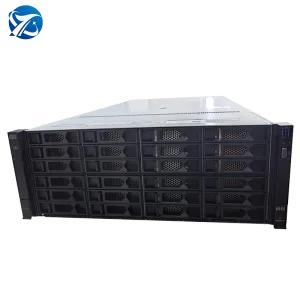
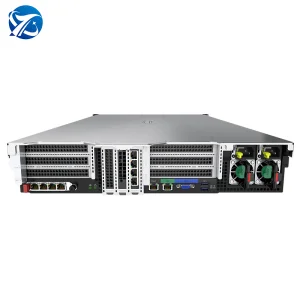
| GPU Dense 2U / 4U (e.g., 2288H V6, 2258 V7) | Multi-card PCIe GPUs, large language model hosting, local LLM clusters | Up to 8x double-wide GPU cards, high-density PCIe layout | CE, FCC, RoHS, LVD | On-premise AI training, private LLM inference, machine learning workloads |
| HPC High-Performance (e.g., 5885H V7) | Quad-socket architectures, big data analytics, core transactional databases | Maximized memory capacity, redundant high-speed NICs | CE, FCC, RoHS | Heavy database operations, enterprise resource planning, hybrid cloud storage hubs |
Take a virtual tour of our specialized production lines, quality inspection testing loops, and warehouse operations.
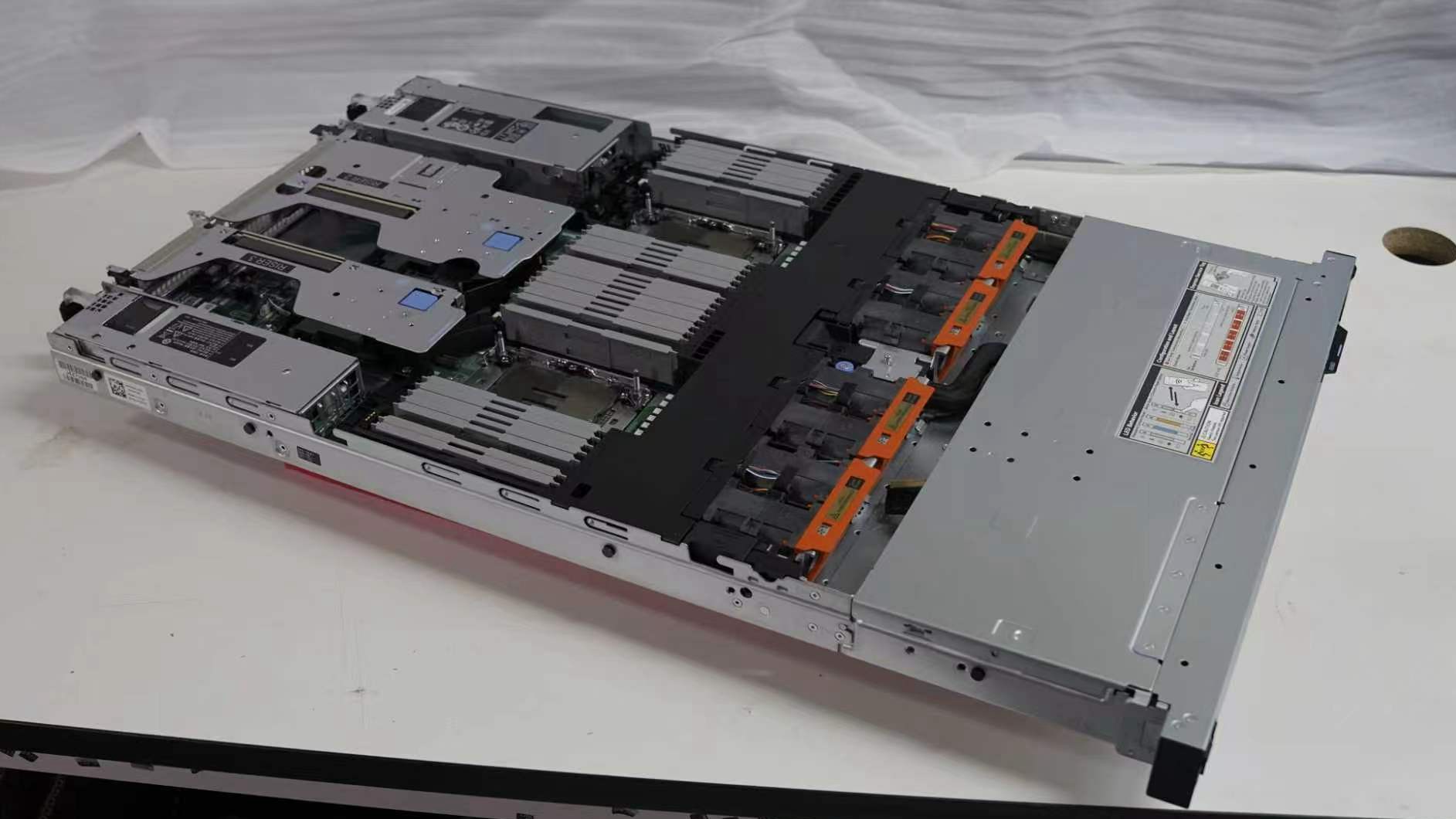
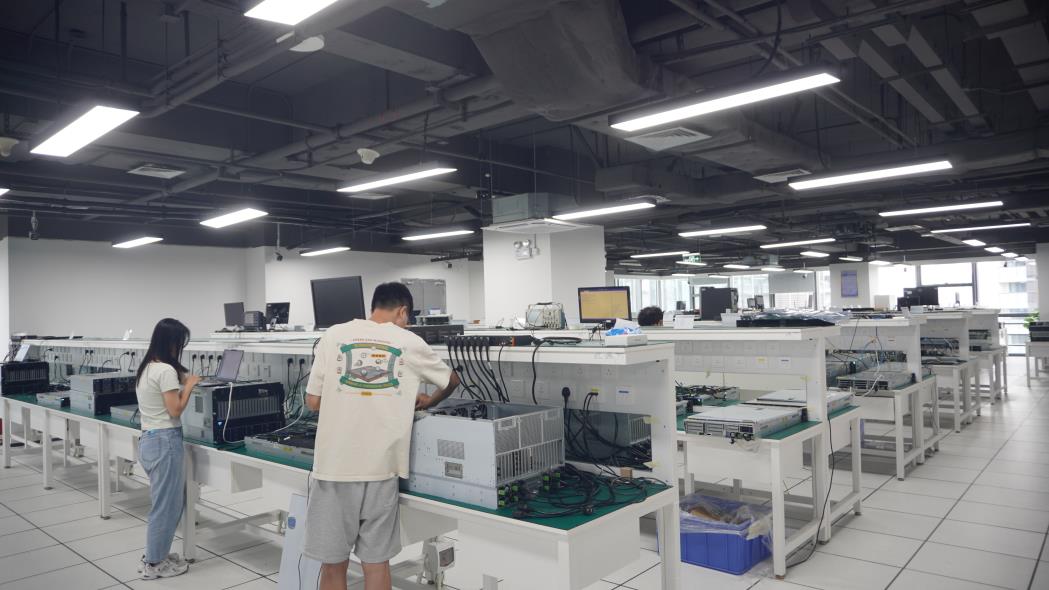
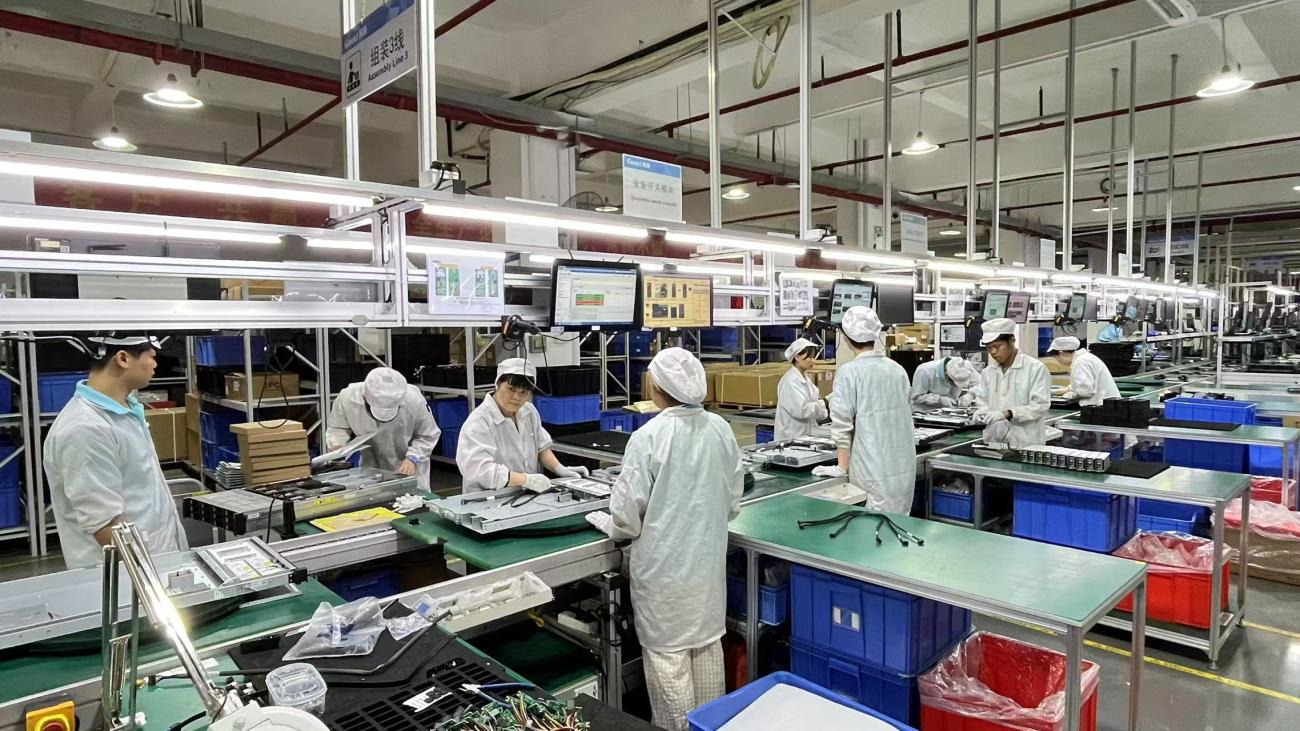
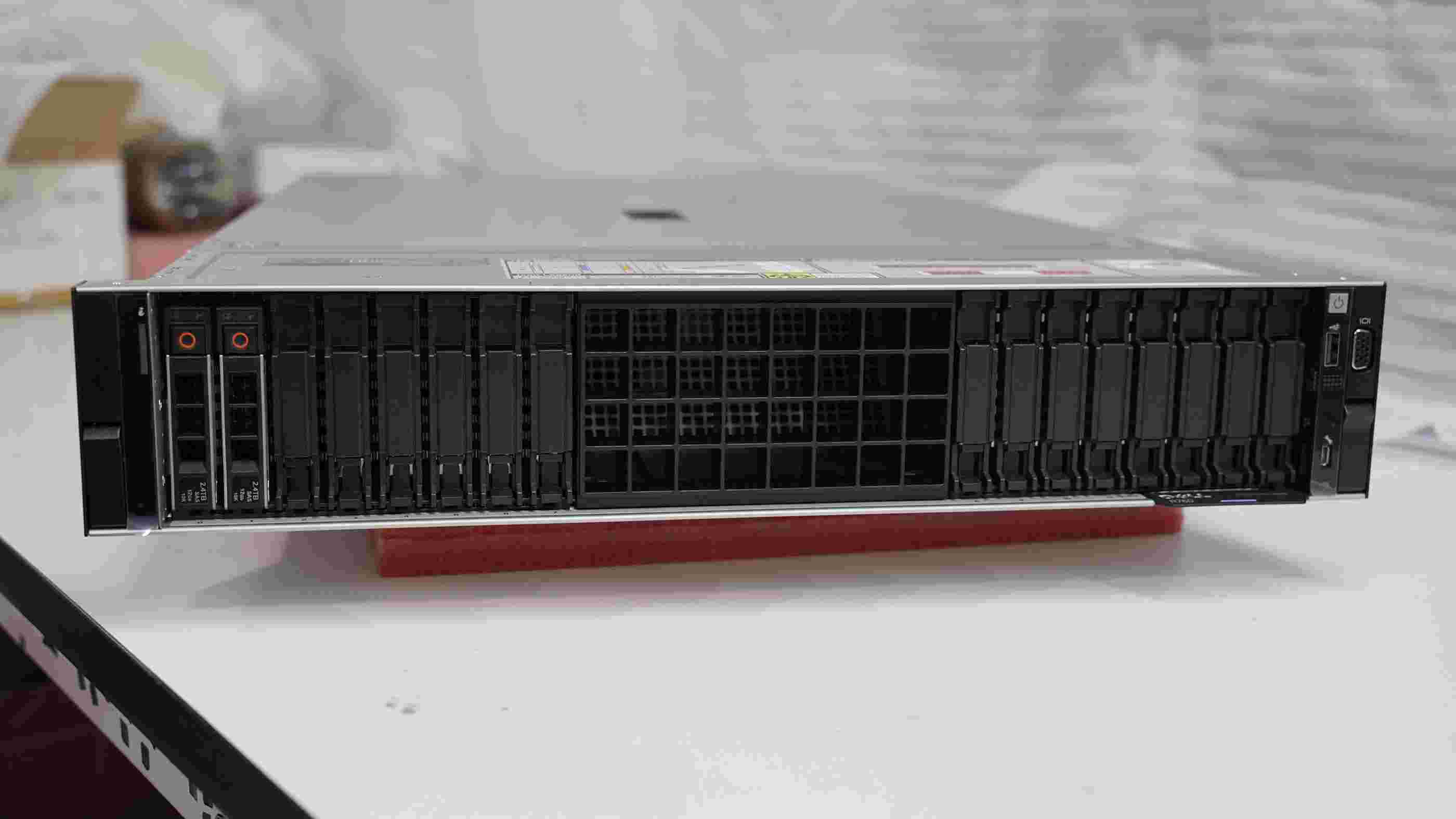
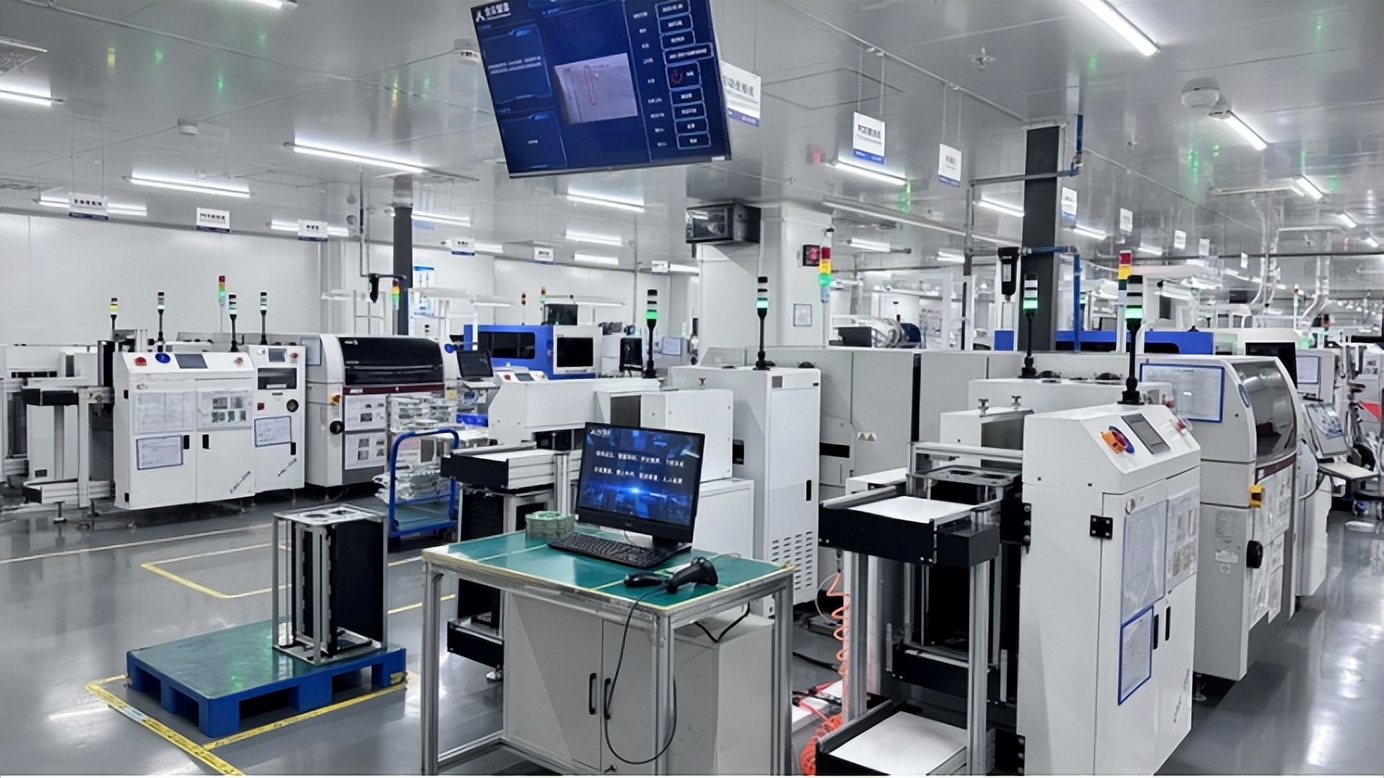
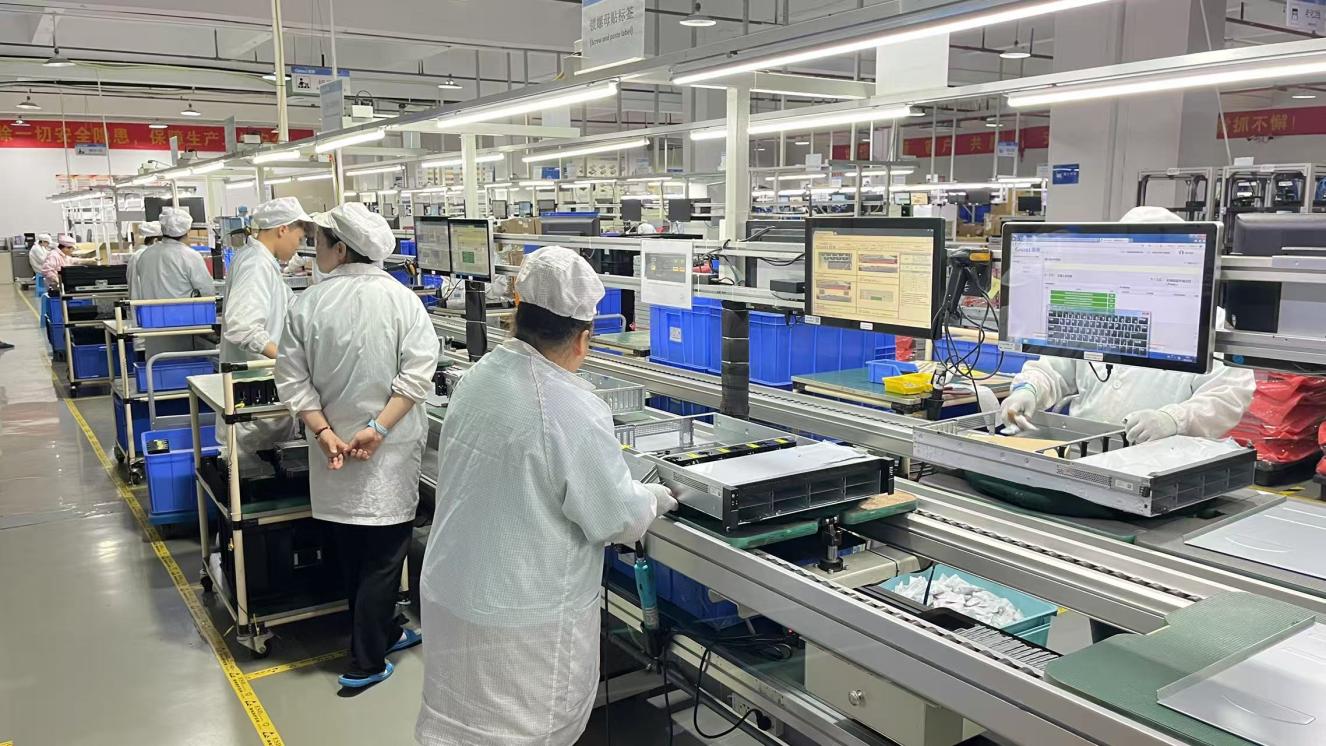
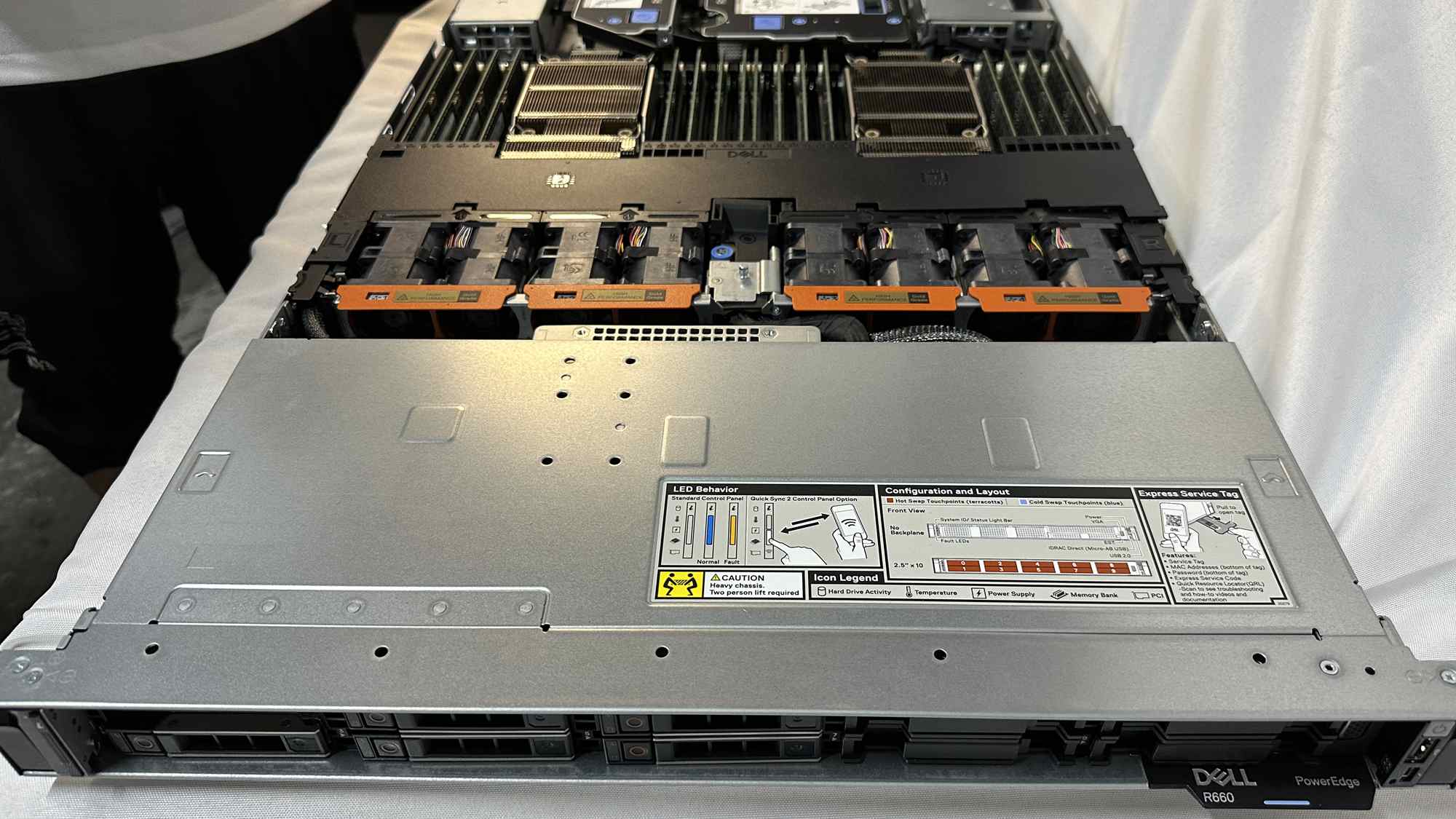
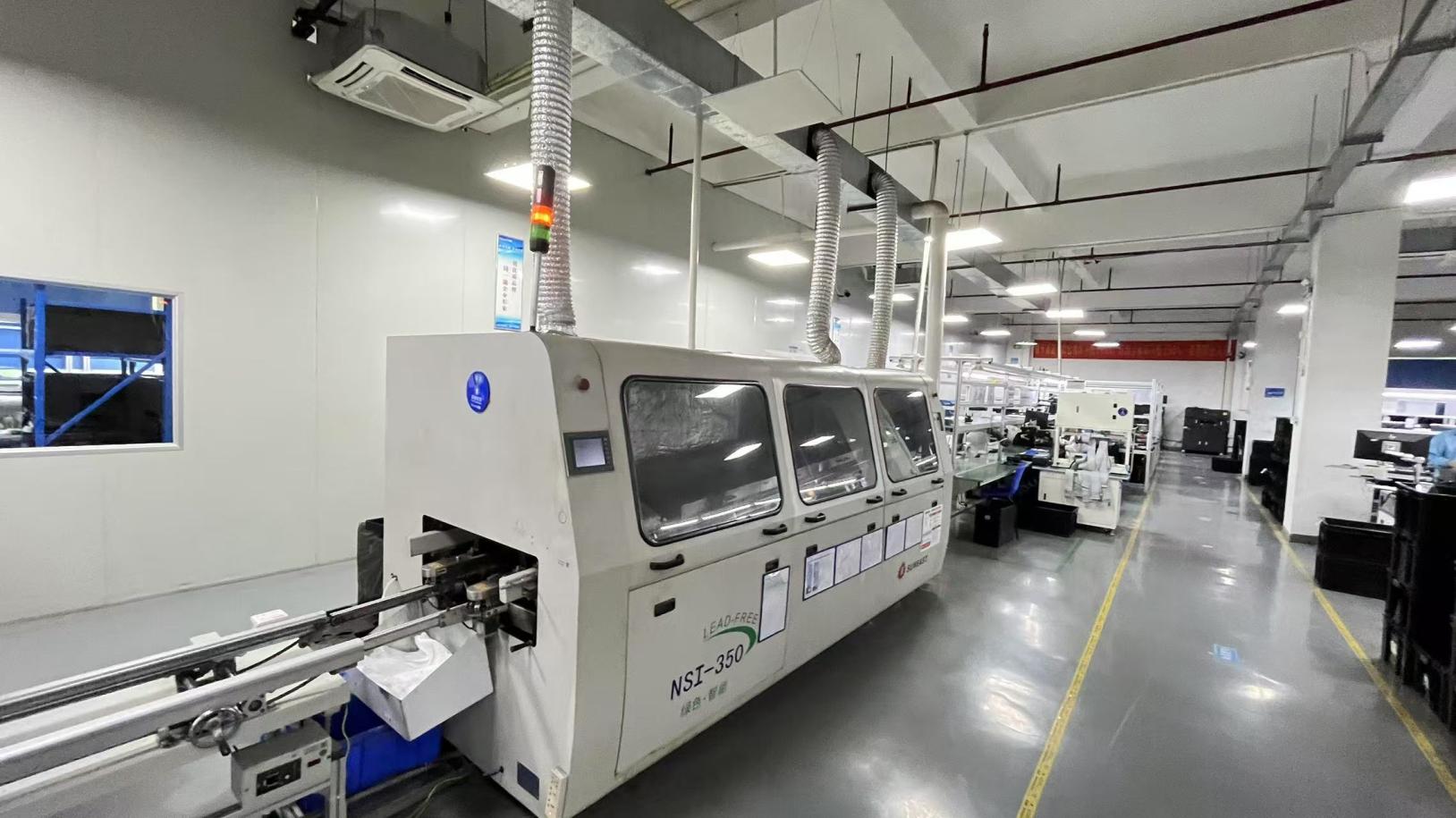
How global enterprises utilize Neuralinko server hardware to solve real-world problems.
A major German financial technology firm required local database storage systems to comply with strict GDPR and BaFin regulations. By deploying CE-certified Neuralinko 2U rack servers in their Frankfurt colocation facility, they kept customer transactional data on-premise. They then utilized public cloud platforms exclusively for non-sensitive data processing, avoiding potential compliance issues.
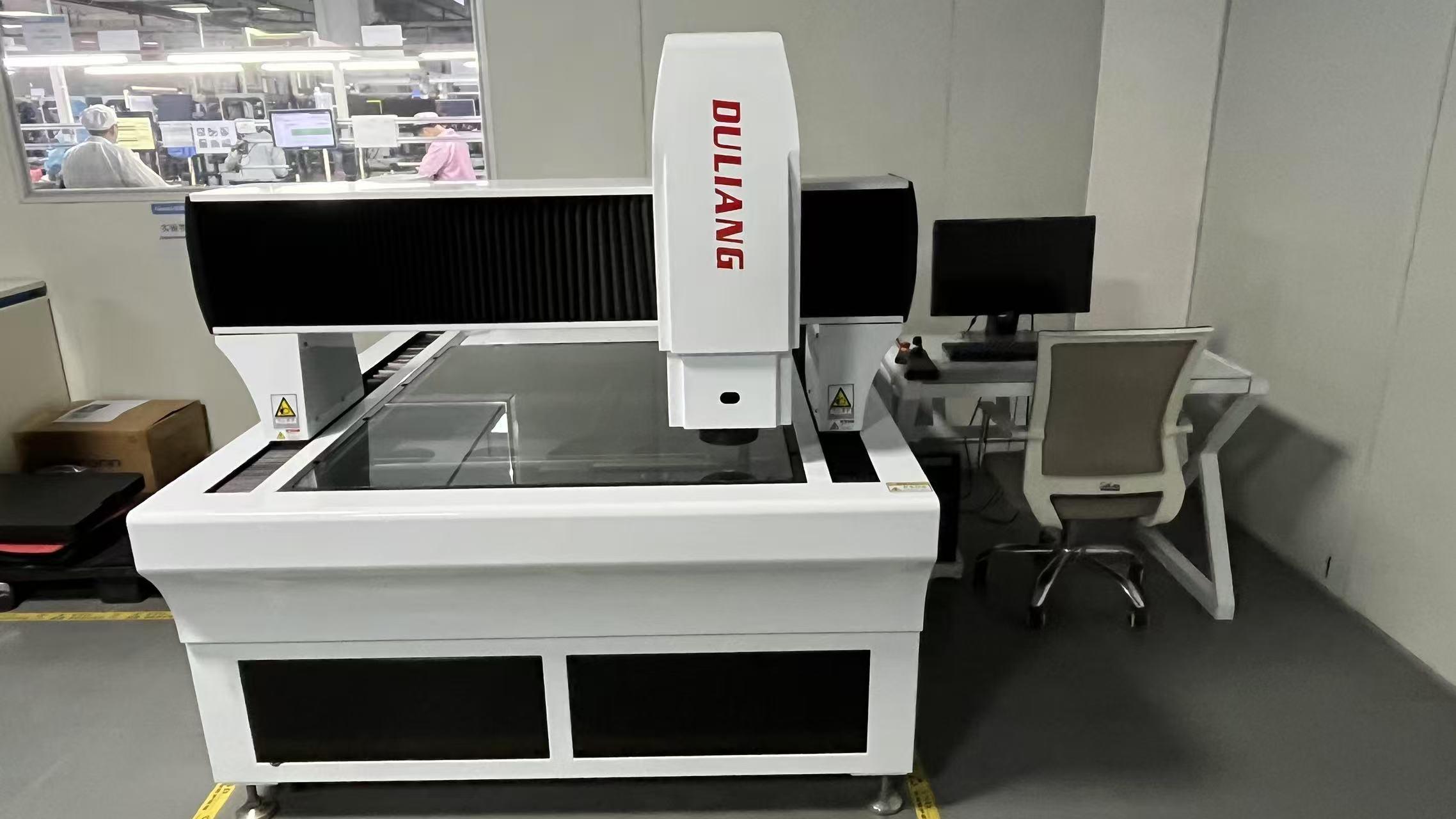
An electronics assembly factory deployed a localized automated optical inspection (AOI) framework. Neuralinko configured custom short-depth GPU rack servers directly inside the factory's production line control rooms. Operating at low-latency edge points, the system processed high-resolution video streams locally, instantly flagging defects without needing to upload gigabytes of raw data to the cloud.
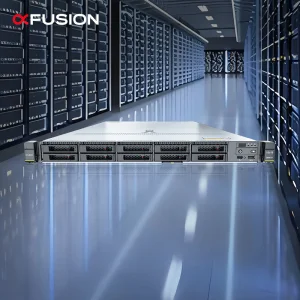
An AI startup based in Boston needed to deploy and fine-tune large language models. The cost of running continuous GPU cloud instances was becoming unsustainably expensive. We built a custom on-premise hardware setup featuring 8 high-performance xFusion GPU servers. This localized cluster cut their training costs by over 45% within the first six months of operation.
Expert answers to common engineering, logistical, and compliance questions.
The CE mark is a legal entry requirement for products imported into the European Economic Area. It certifies that the server hardware meets strict safety standards (EN 62368-1 for IT equipment) and electromagnetic compatibility requirements (EN 55032/55035). Deploying servers without CE certification can result in customs seizures, insurance complications, and regulatory fines.
We employ 42 experienced quality inspectors who monitor incoming materials, oversee in-process assembly, and conduct final diagnostics. All component vendors must maintain active ISO 9001 certifications. Our internal testing includes thermal stressing, memory test loops, and redundant PSU stability checks to prevent failure under load.
Yes, our 118 R&D engineers specialize in deep customization. We offer custom BIOS branding, optimized fan speed tables for noise-sensitive office environments, tailored storage backplanes, and custom chassis paint and branding options.
Lead times vary depending on component availability and customization requirements. Standard server configurations typically ship within 2 to 3 weeks. Complex, custom GPU systems or large orders usually require 4 to 6 weeks. Our logistic managers handle customs documentation to ensure smooth transit to global destinations.
Our hardware supports all major hypervisors and private cloud systems, including VMware ESXi, Proxmox VE, KVM, and OpenStack. Using network interface cards (NICs) supporting RoCE v2, these systems connect seamlessly with Amazon Web Services, Microsoft Azure, and Google Cloud, forming secure, high-bandwidth hybrid cloud structures.
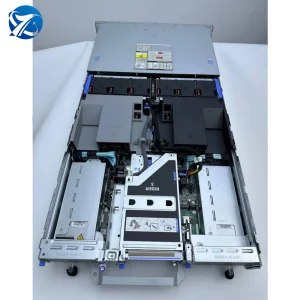
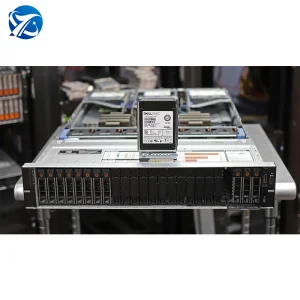
High-density GPU architectures and high-performance network storage systems.