Neuralinko
Neuralinko
Neuralinko
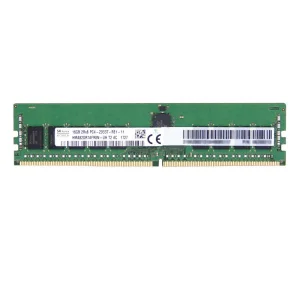
Premium server RAM modules engineered with ECC and advanced rank architecture to meet strict Silicon Valley enterprise workloads.
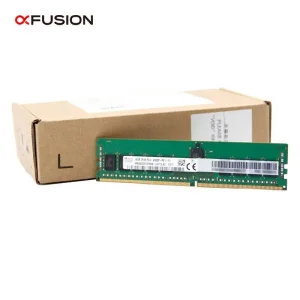
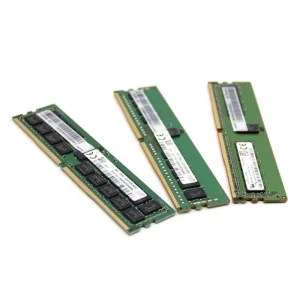
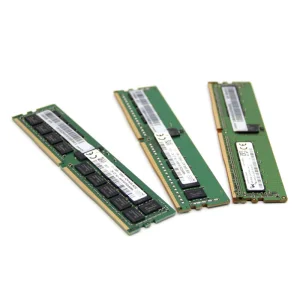
San Francisco and the surrounding Bay Area represent the global epicenter of AI development, deep learning research, and hyper-scale cloud deployments. As AI platforms evolve, they place unprecedented demands on memory bandwidth. The paradigm of computing has shifted; CPU-bound architectures have transitioned to memory-bound structures, where the flow of high-performance data determines model execution speeds.
In the local San Francisco market, data centers situated in Silicon Valley, Santa Clara, and South of Market (SoMa) demand extreme-density server RAM solutions. Startups and tech giants require DDR4 and DDR5 memory modules that can sustain intensive compute cycles without inducing memory errors or system downtime. The regional density of tech-focused operations highlights why procurement strategies must prioritize advanced reliability and rapid local supply chains.
For IT infrastructure managers in the Bay Area, selecting a local or global supplier involves assessing physical delivery pipelines, technical support availability, and compliance frameworks. Deploying modern compute clusters in carrier-neutral facility ecosystems requires server components that conform to precise operating specifications.
With electricity costs and rack-density limits peaking in California, the thermal efficiency of server RAM is a primary commercial concern. High-voltage modules produce excess heat, leading to air-conditioning overheads and reduced hardware lifespan. The implementation of low-voltage (1.2V and 1.1V) DDR4/DDR5 registered DIMMs (RDIMMs) plays a vital role in reducing the Total Cost of Ownership (TCO) across regional infrastructure deployments.
Neuralinko Intelligent Technology Co., Ltd. delivers global-scale manufacturing precision, hardware validation, and customized computing infrastructure.
Established in 2018, Neuralinko Intelligent Technology Co., Ltd. has positioned itself as a professional AI server manufacturer, specializing in high-performance GPU systems, complex server memory integration, and tailored data center solutions. Operating from our modern 386㎡ production and engineering facility, we design and validate reliable computing architectures for machine learning, deep learning, large language models (LLMs), and high-performance computing (HPC) platforms.
With over 8 years of industry experience and 6 years of export expertise, we maintain an annual export revenue exceeding USD 18 million. Our footprint extends across North America, Europe, Southeast Asia, the Middle East, and Australia. Our collaborative network with over 1,200 supply chain partners ensures component availability, competitive pricing tiers, and fast delivery timelines.
Modern cloud environments running continuous processing tasks are vulnerable to single-bit errors. These faults, often triggered by background cosmic radiation, electromagnetic interference, or thermal fluctuations, can corrupt databases or crash systems. Neuralinko's DDR4 and DDR5 memory modules utilize advanced registered ECC (Error-Correcting Code) architectures.
ECC memory operates by generating checksum data for every write operation, which is evaluated during read cycles. Single-bit errors are corrected automatically in real-time, while multi-bit errors are detected and reported to prevent silent data corruption (SDC). This level of fault tolerance is a prerequisite for financial modeling, scientific computing, and enterprise database systems in San Francisco's competitive commercial landscape.
Automated real-time detection and correction of transient memory faults, preventing system panic events.
Dual-rank design patterns allow high capacity modules to achieve maximum throughput rates per memory channel.
Engineered PCB layers and low-resistance contacts minimize heat output and energy dissipation.
The transition from DDR4 to DDR5 marks a significant shift in enterprise server memory layout. DDR4 RDIMMs peak at transfer rates of 3200 MT/s, using a single 72-bit channel structure (64-bit data + 8-bit ECC) controlled by the host processor's memory management unit. In contrast, DDR5 divides the module design into two independent 32-bit subchannels (plus 8-bit ECC per subchannel), which increases access efficiency and reduces retrieval latency.
Additionally, DDR5 moves power management from the motherboard directly onto the module via a Power Management Integrated Circuit (PMIC). This design provides clean power distribution, reduces motherboard complexity, and allows for precise voltage control down to 1.1V. For hyperscalers operating in San Francisco, this transition translates to higher performance and lower power consumption.
The Compute Express Link (CXL) protocol is changing memory resource management in large data centers. As processors scale to high core counts, the available memory bandwidth per core can decrease. CXL allows servers to access pooled, high-speed memory devices over the PCIe interface, reducing resource waste by sharing RAM dynamically across multiple servers.
Neuralinko is tracking these developments, building systems that support next-generation CXL expansions. Integrating compatible memory options ensures that San Francisco organizations can scale their memory resources independently of their CPU upgrades, helping to future-proof their hardware investments.
A visual insight into Neuralinko's testing chambers, assembly floor, and hardware verification processes.
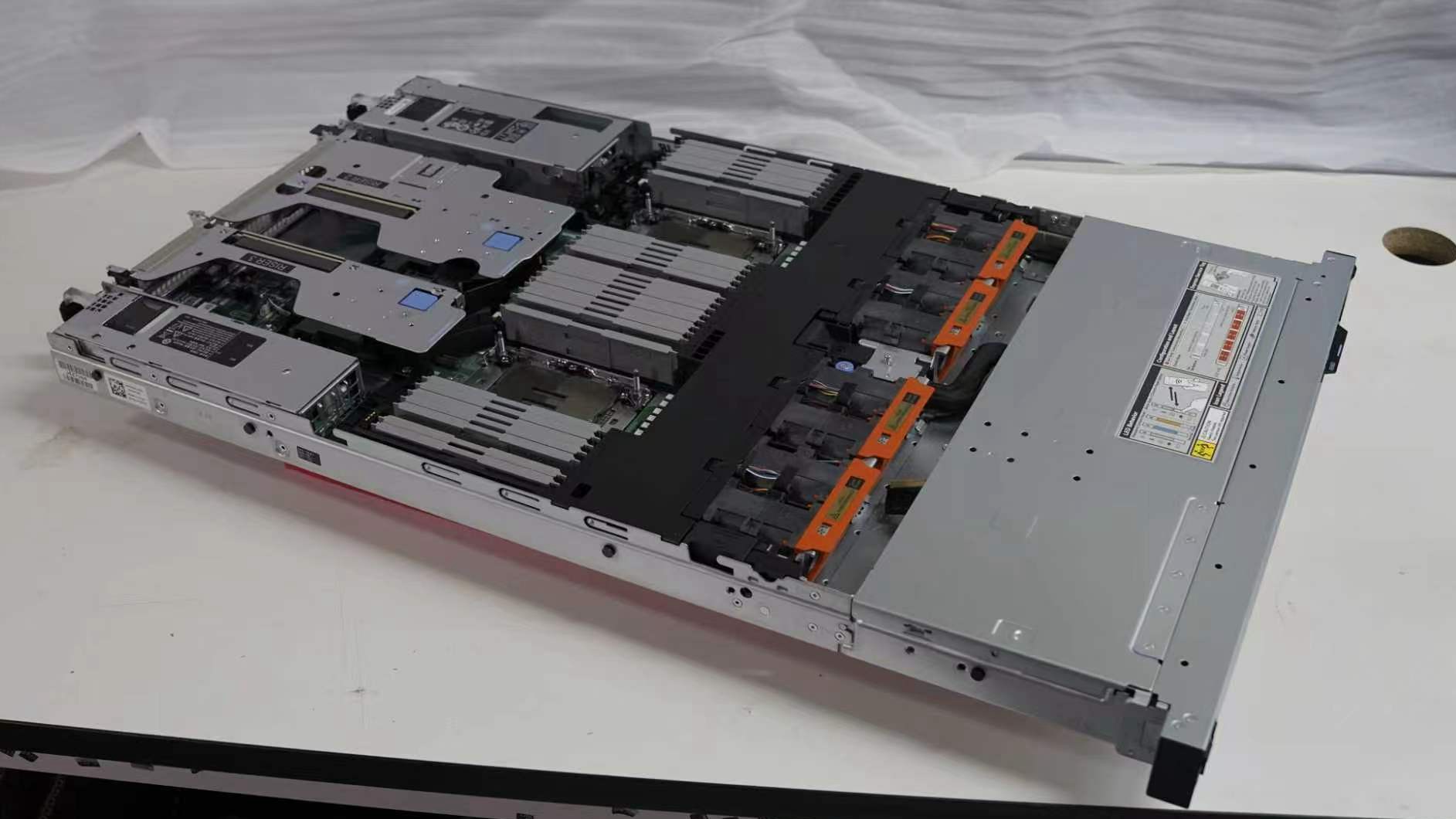
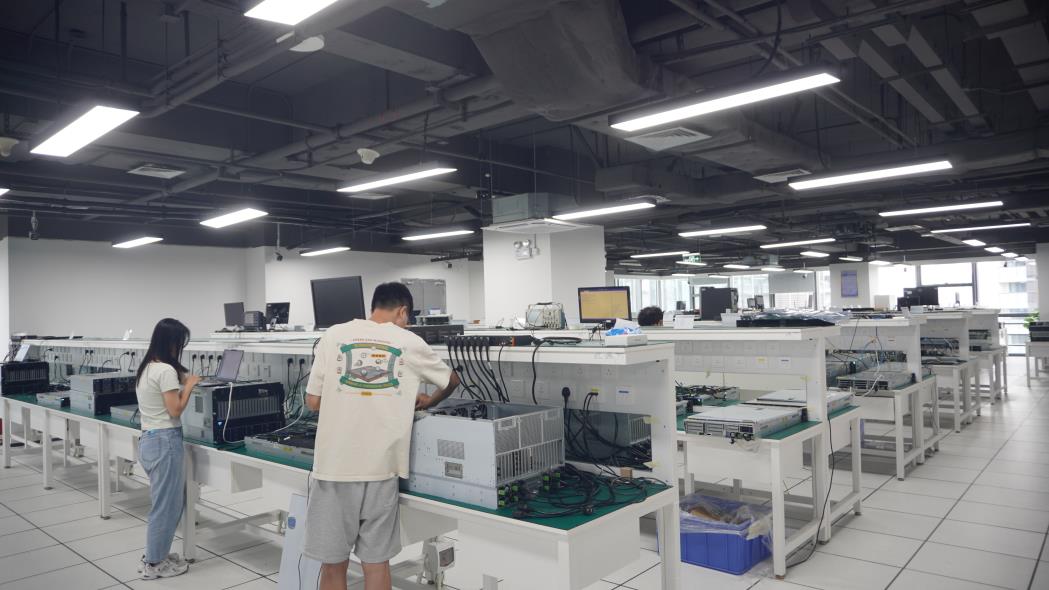
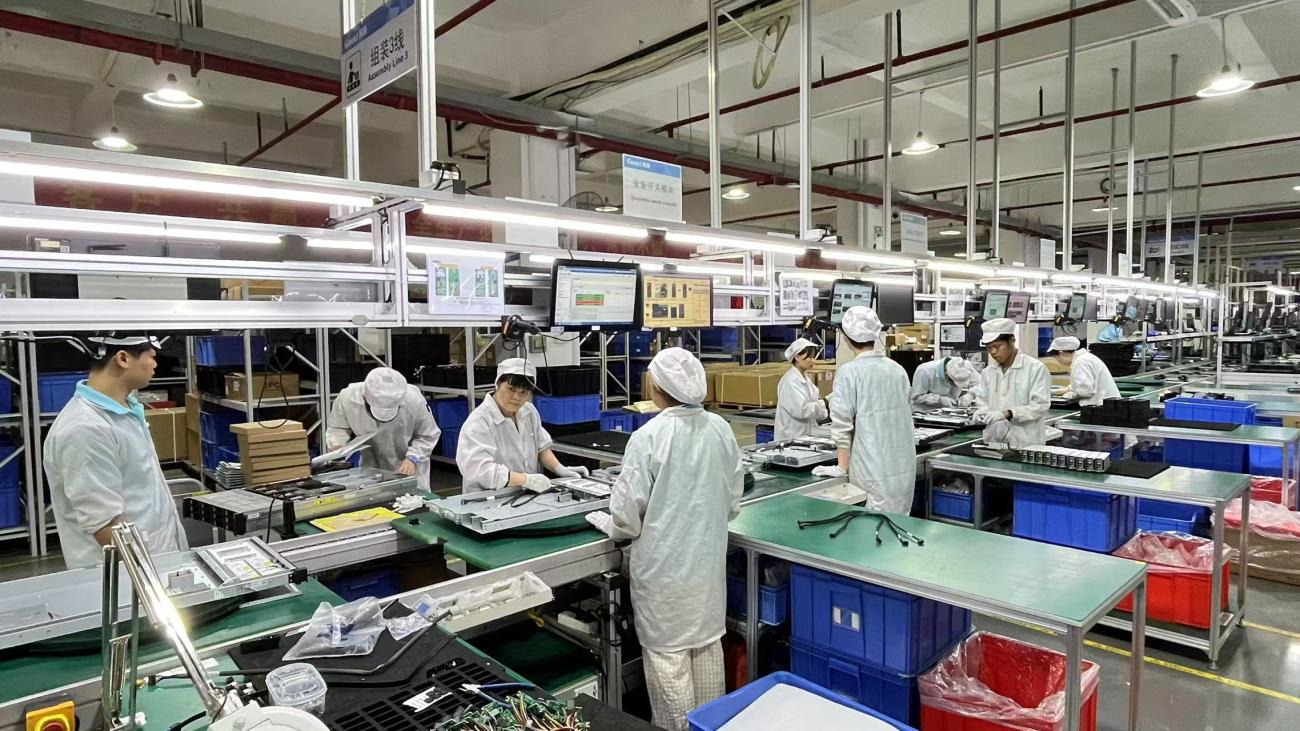
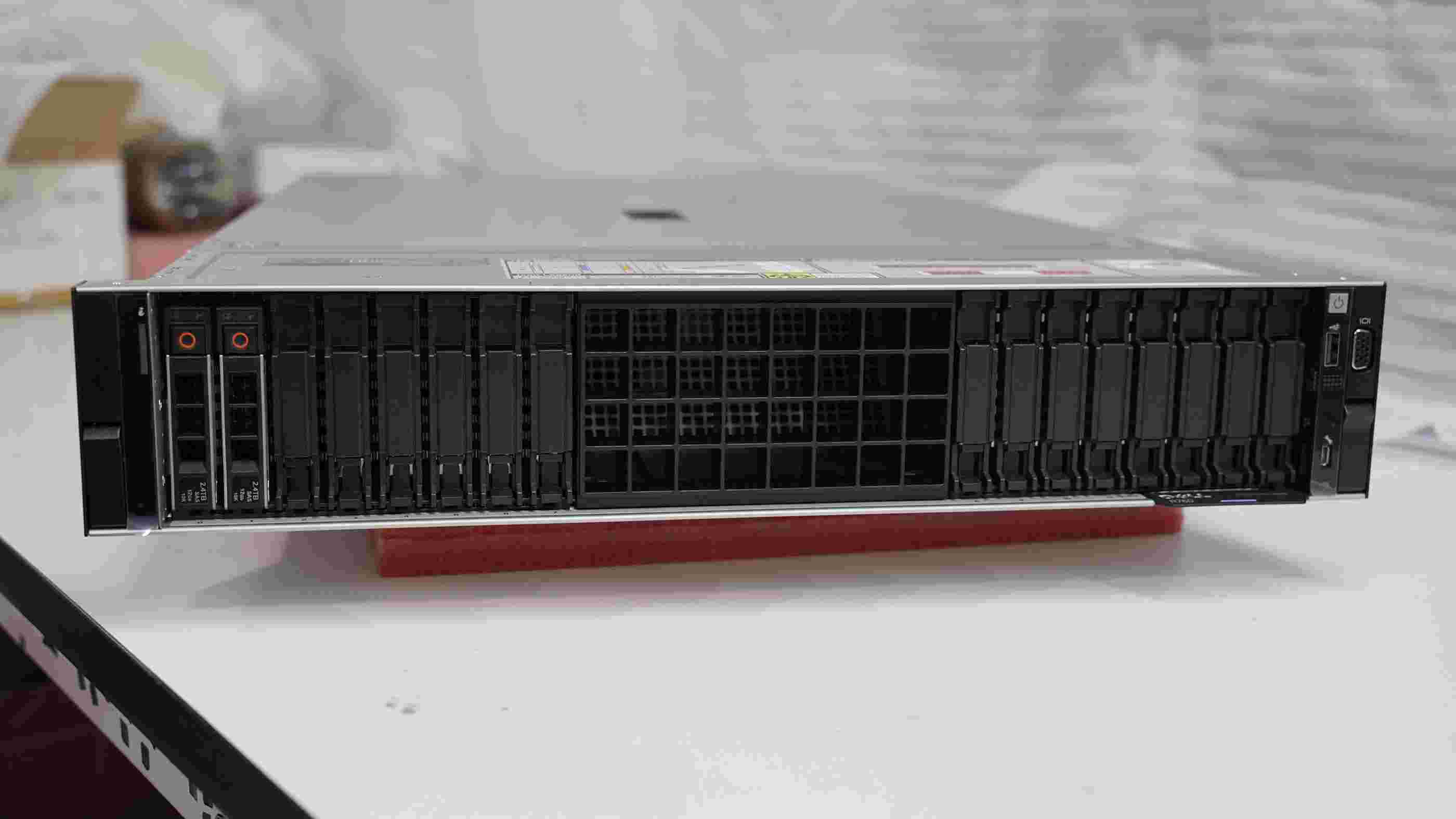
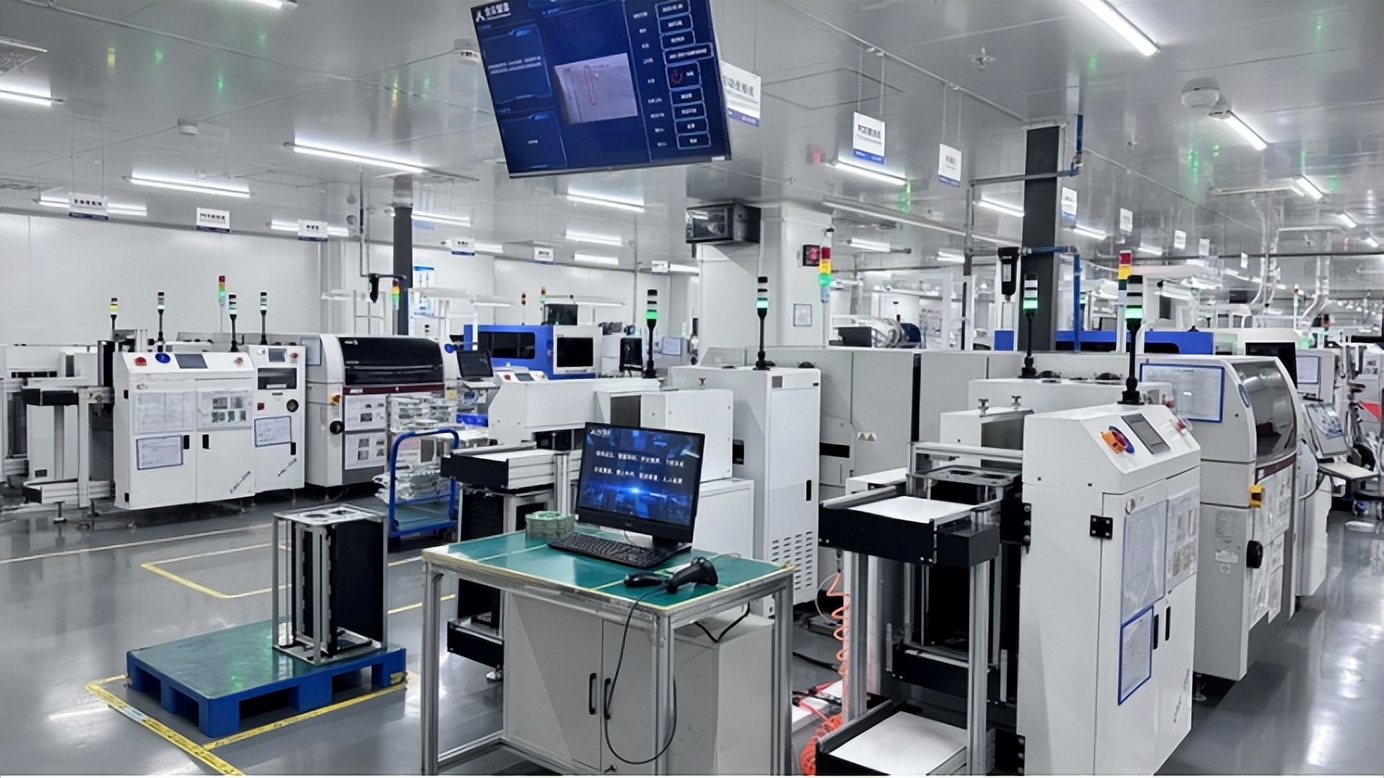
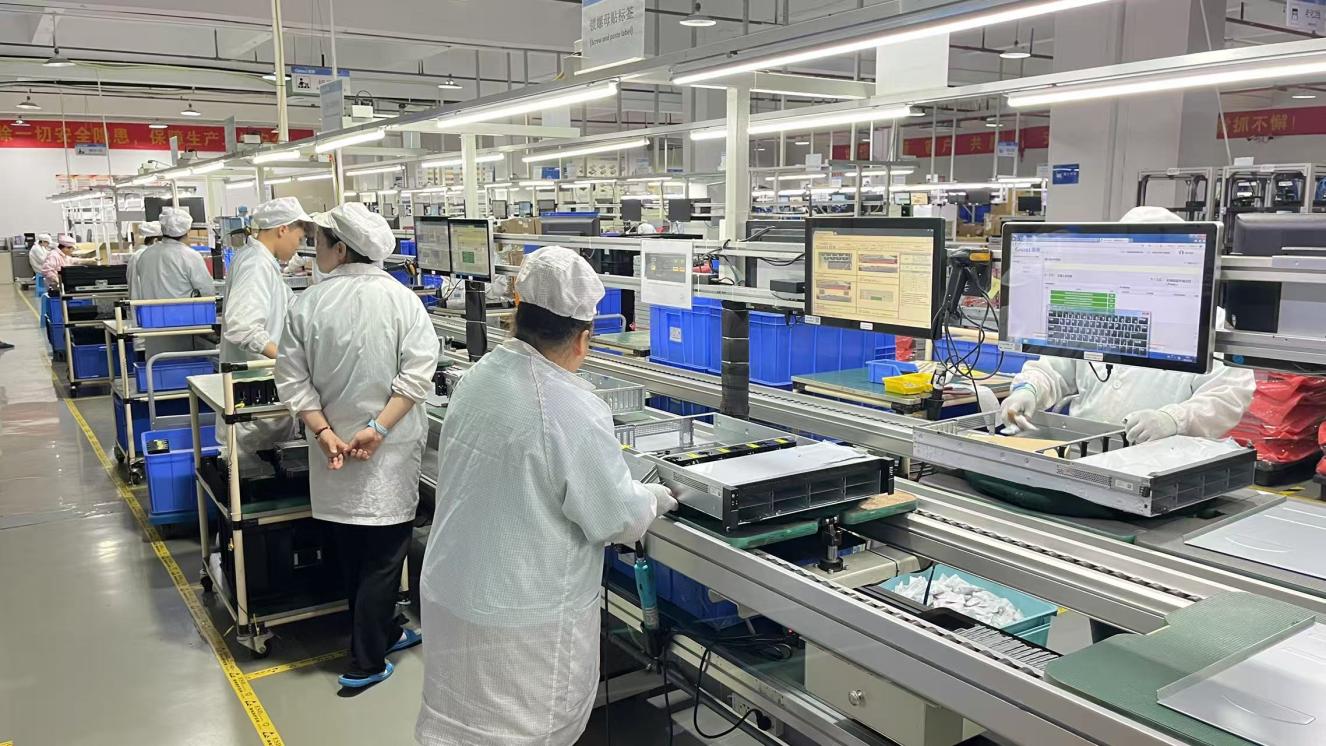
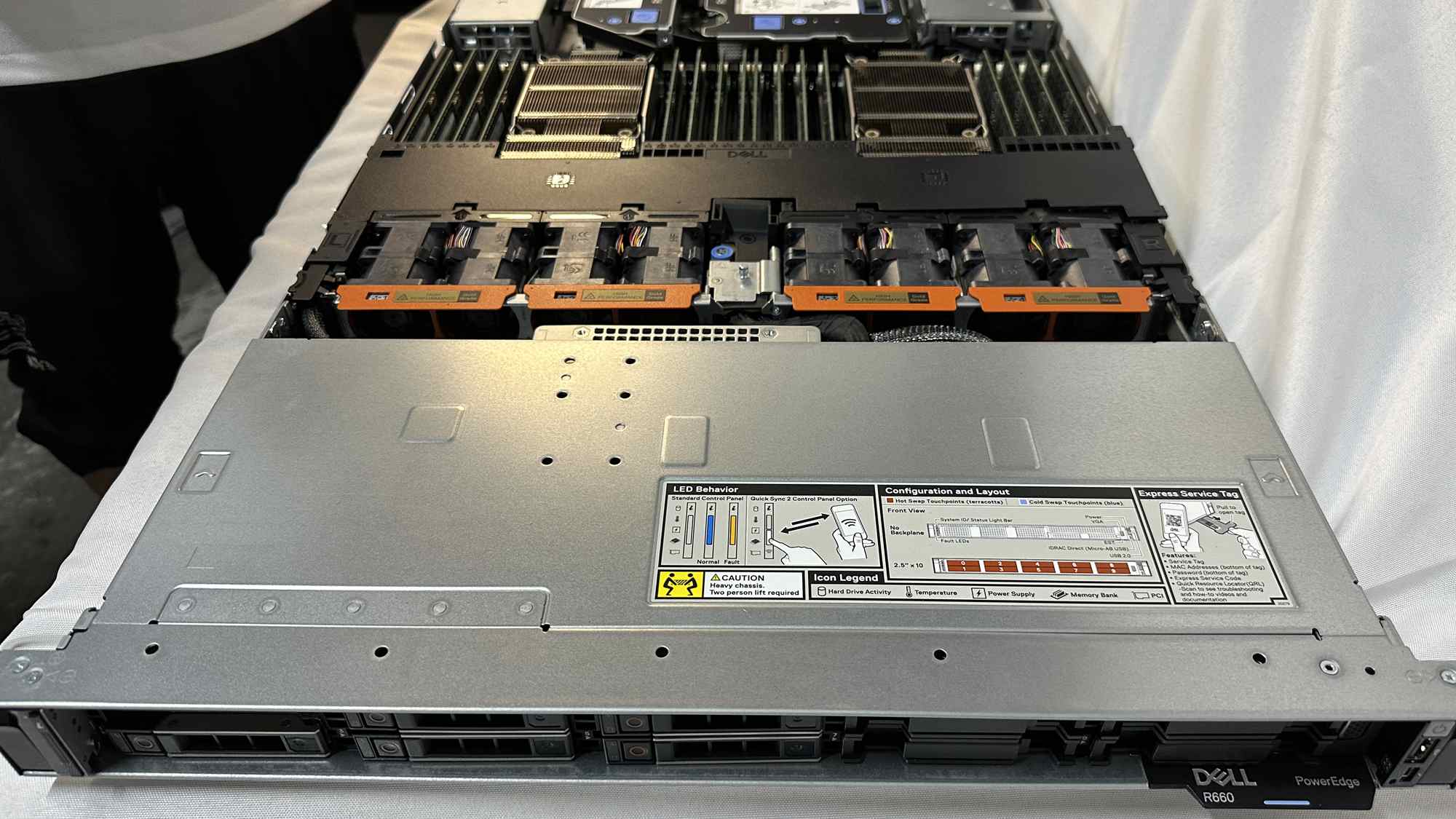
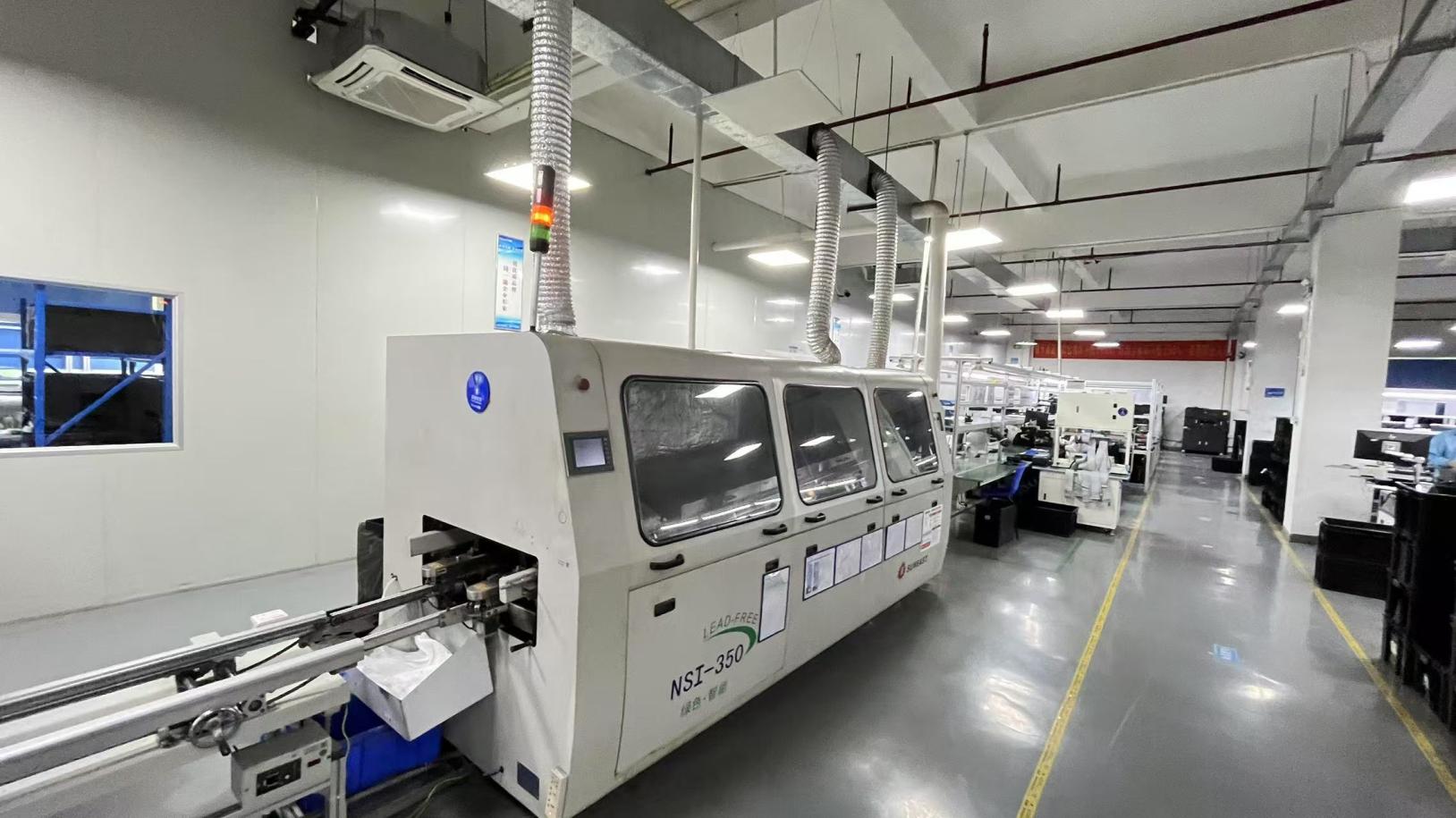
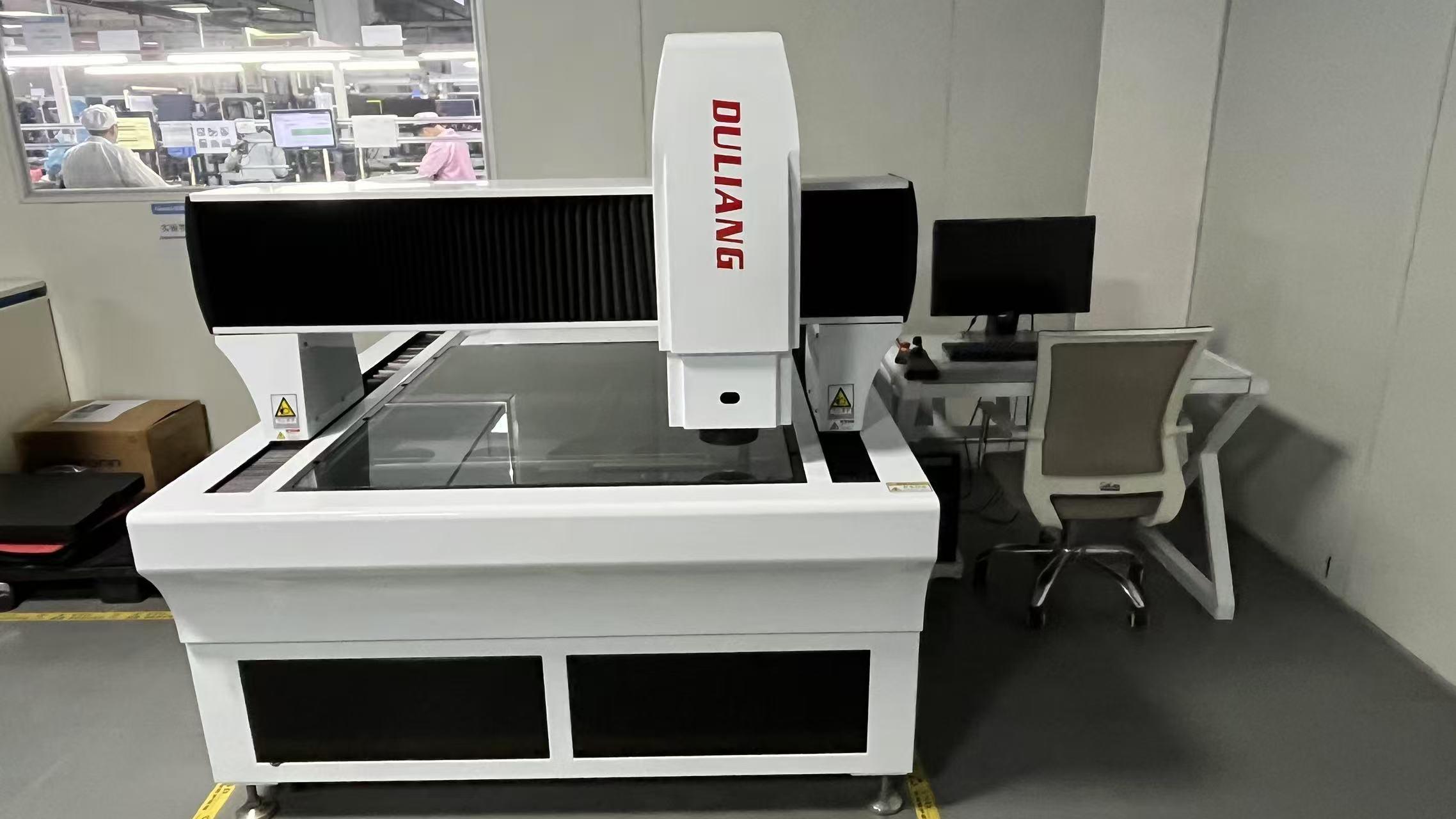
Quality is at the core of our manufacturing processes. Neuralinko implements a strict testing program to ensure the durability and reliability of our memory modules and server platforms. Our team of 42 quality assurance inspectors oversees a multi-stage process from initial inspection to final product verification.
Deploying data center hardware in San Francisco requires reliable shipping timelines and technical support. Neuralinko offers tailored shipping channels and customs handling for businesses in North America and Western Europe, helping to simplify the procurement process.
Our engineering support services help customers plan memory configuration steps for large computing nodes. We help determine optimal layouts (such as 1 DIMM per channel vs. 2 DIMMs per channel configurations) to maximize bandwidth and prevent performance throttling. Neuralinko offers comprehensive OEM and ODM support, including customized firmware, branding options, and rack-level validation.
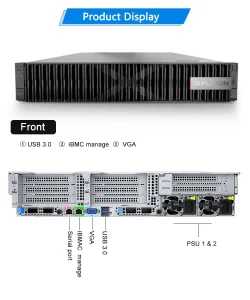
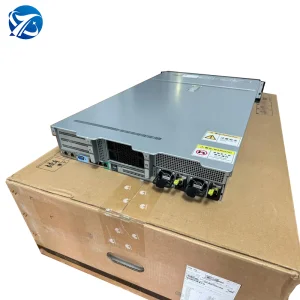
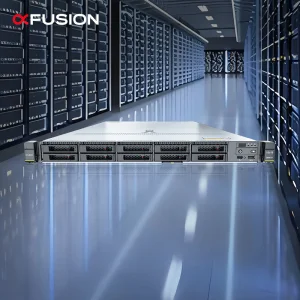
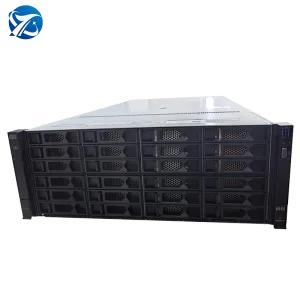
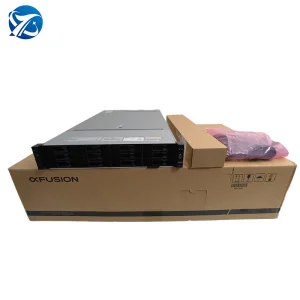
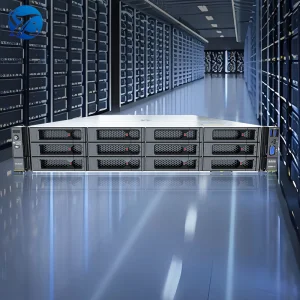
Select from our range of 2U rack servers, storage systems, and advanced hardware configurations designed for enterprise scaling.
Answers to technical, logistical, and compatibility questions regarding server memory and enterprise infrastructure procurement.