Neuralinko
Neuralinko
Neuralinko
Enterprise DDR4 RDIMM memory modules optimized for high-density compute nodes, edge systems, and cloud databases across Saudi Arabia.
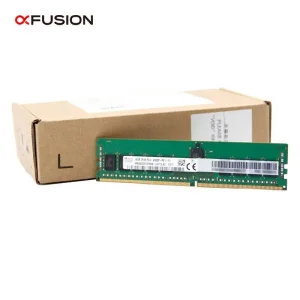
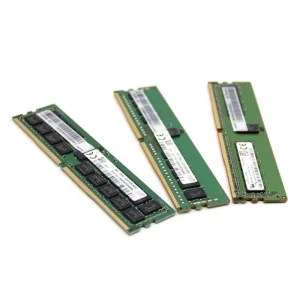
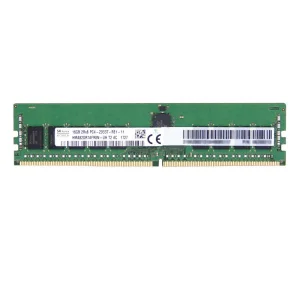
The Kingdom of Saudi Arabia (KSA) is undergoing a major digital transformation, spearheaded by the Saudi Vision 2030 initiative. This roadmap aims to transition the nation's economic landscape from oil dependency into a hyper-connected, knowledge-based economy. To achieve this vision, public and private organizations are investing heavily in local data centers, AI-capable national cloud structures, and next-generation smart cities like NEOM, Qiddiya, and The Red Sea Project. Major international hyper-scalers (including Google Cloud, Microsoft Azure, and Alibaba Cloud) have established local cloud zones in Riyadh, Jeddah, and Dammam to comply with national data residency mandates.
This massive compute footprint demands high-reliability hardware. Under the Saudi Personal Data Protection Law (PDPL), critical data must be processed within local borders, necessitating localized server farms. In these mission-critical environments, server memory is a vital structural pillar. High-density RAM, specifically Error-Correcting Code (ECC) Registered Dual In-line Memory Modules (RDIMMs), provides the required bandwidth and error protection to keep enterprise systems running continuously. Consequently, sourcing reliable components from certified server RAM manufacturers is essential for the stability and security of Saudi Arabia’s expanding digital infrastructure.
Operating a data center in the Arabian Peninsula requires specialized hardware design. Outside temperature extremes of over 50°C during summer place high cooling demands on local data centers. Even with advanced liquid cooling and hot-aisle containment, internal server chassis temperatures can rise rapidly, creating thermal stress on memory modules and storage drives.
Dynamic Random-Access Memory (DRAM) chips are sensitive to heat. High ambient temperatures increase leakage currents within memory cells, leading to potential bit-flips and premature failures. Standard consumer memory lacks the durability needed to withstand these conditions. High-grade server RAM relies on specialized PCB designs with thick copper layers, robust thermal interfaces, and aluminum heat spreaders to manage thermal loads. Sourcing RAM from factories that conduct high-temperature stress testing ensures that memory modules perform reliably under the environmental conditions common to Saudi data centers.
Uncertified memory modules are prone to thermal throttling, which degrades computing performance. High temperatures also accelerate electromigration, leading to irreversible hardware damage and unscheduled server downtime.
Neuralinko modules feature high-grade aluminum heat spreaders and low-resistance components. Our RAM is engineered for thermal dissipation, keeping operating temperatures within safe parameters and reducing overall cooling costs.
Importing enterprise-grade hardware into Saudi Arabia requires strict adherence to local regulations. Hardware must comply with the guidelines set by the Saudi Standards, Metrology and Quality Organization (SASO). Components must secure SASO Certificates of Conformity (CoC), meet electromagnetic compatibility (EMC) standards, and align with IECEE certification schemes. Our team manages this regulatory pathway to ensure that all imported modules comply with Saudi customs and standards requirements.
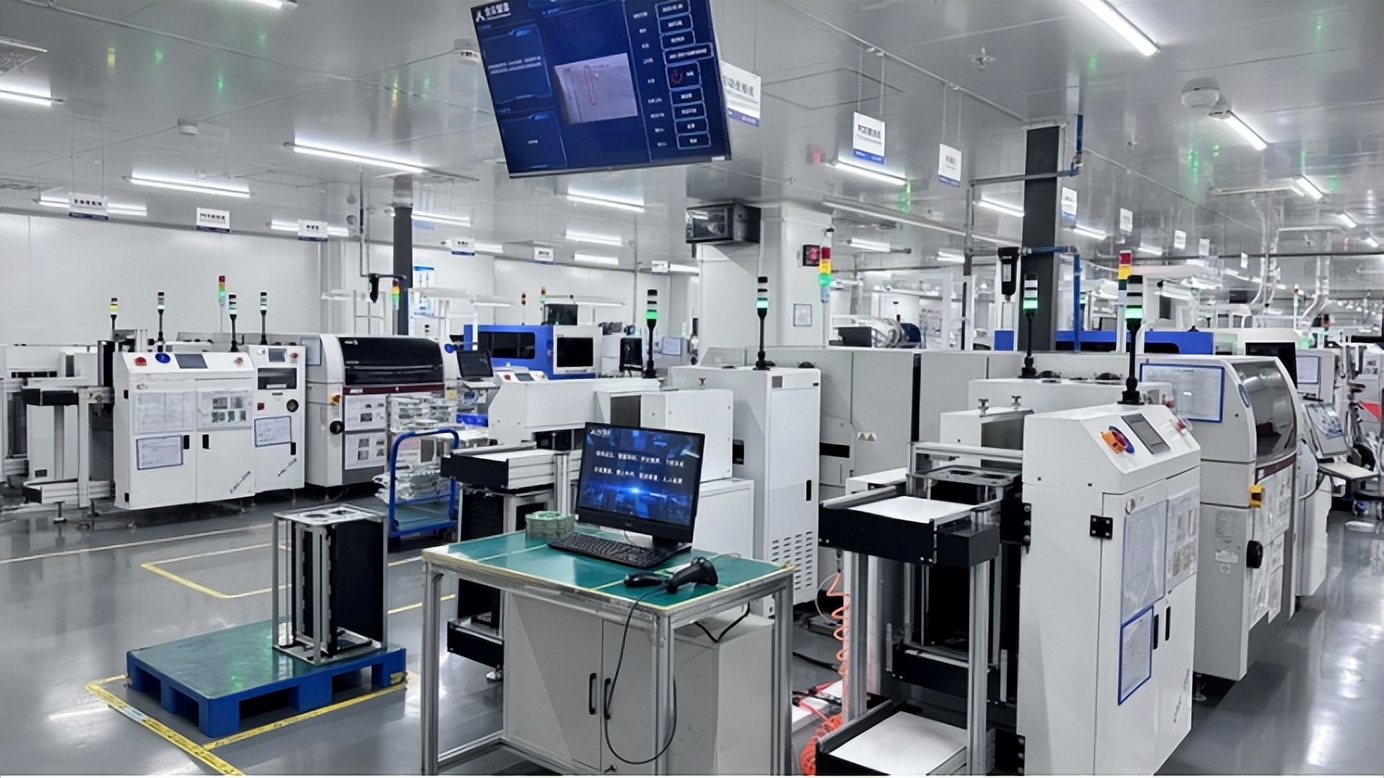
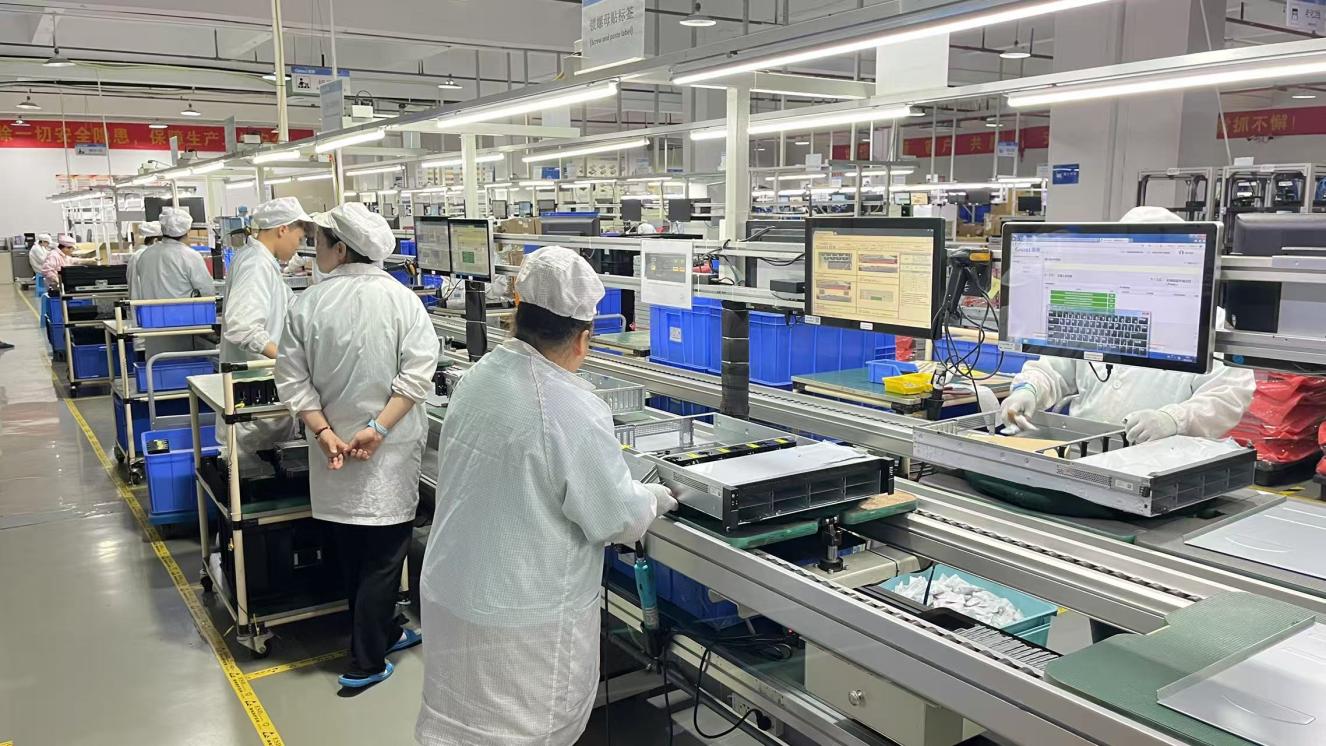
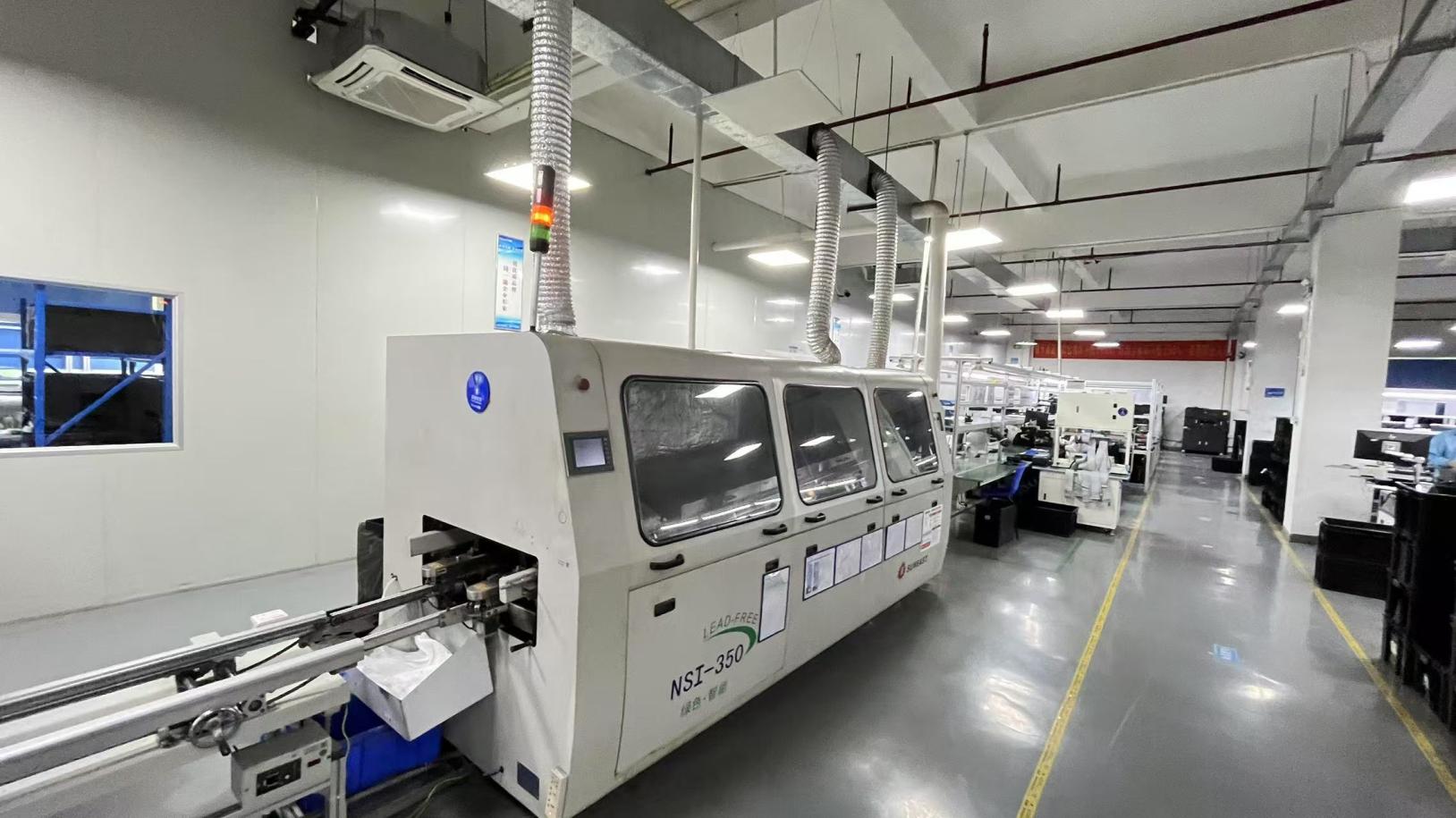
Neuralinko Intelligent Technology Co., Ltd. operates a modern 386㎡ production facility dedicated to manufacturing reliable AI hardware and high-performance server memory. Our quality control system manages every phase of production. We conduct incoming material inspections (IQC), in-process quality monitoring (IPQC), and long-duration burn-in testing to verify module stability before shipment. With a QA team of 42 inspectors, we run thermal stress and timing diagnostics to ensure that all memory modules meet the requirements of enterprise datacenters.
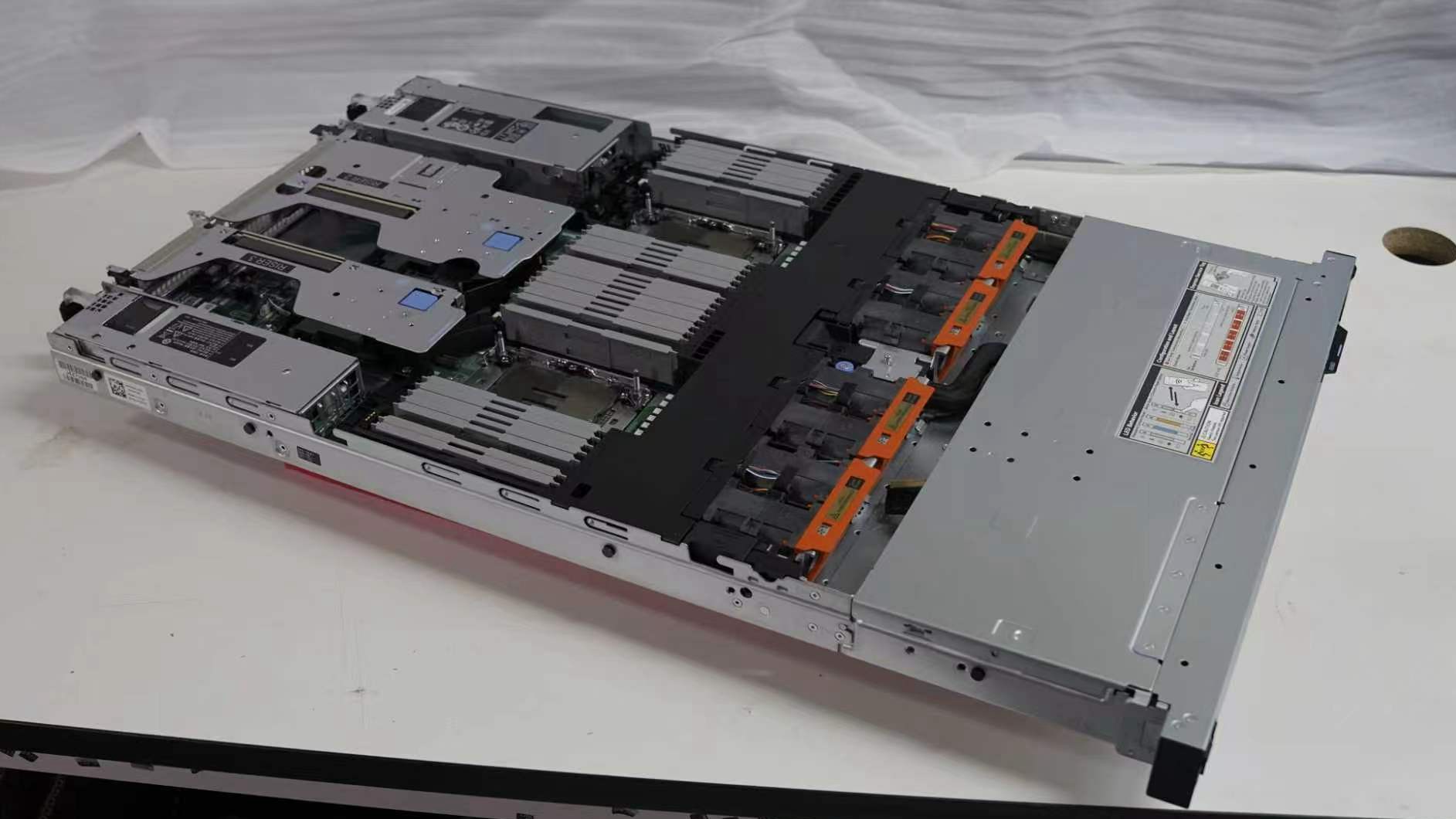
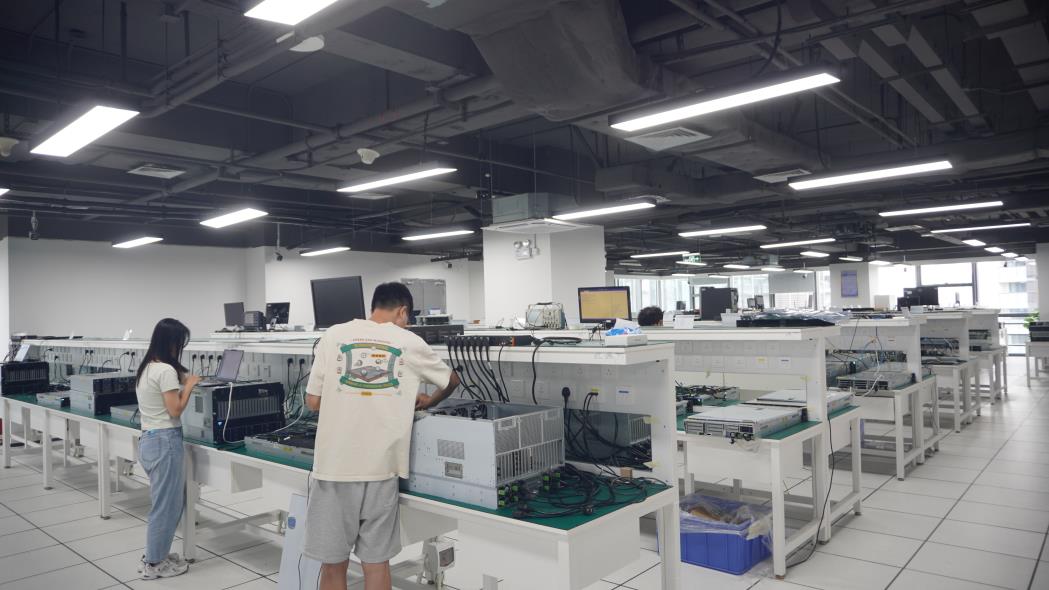
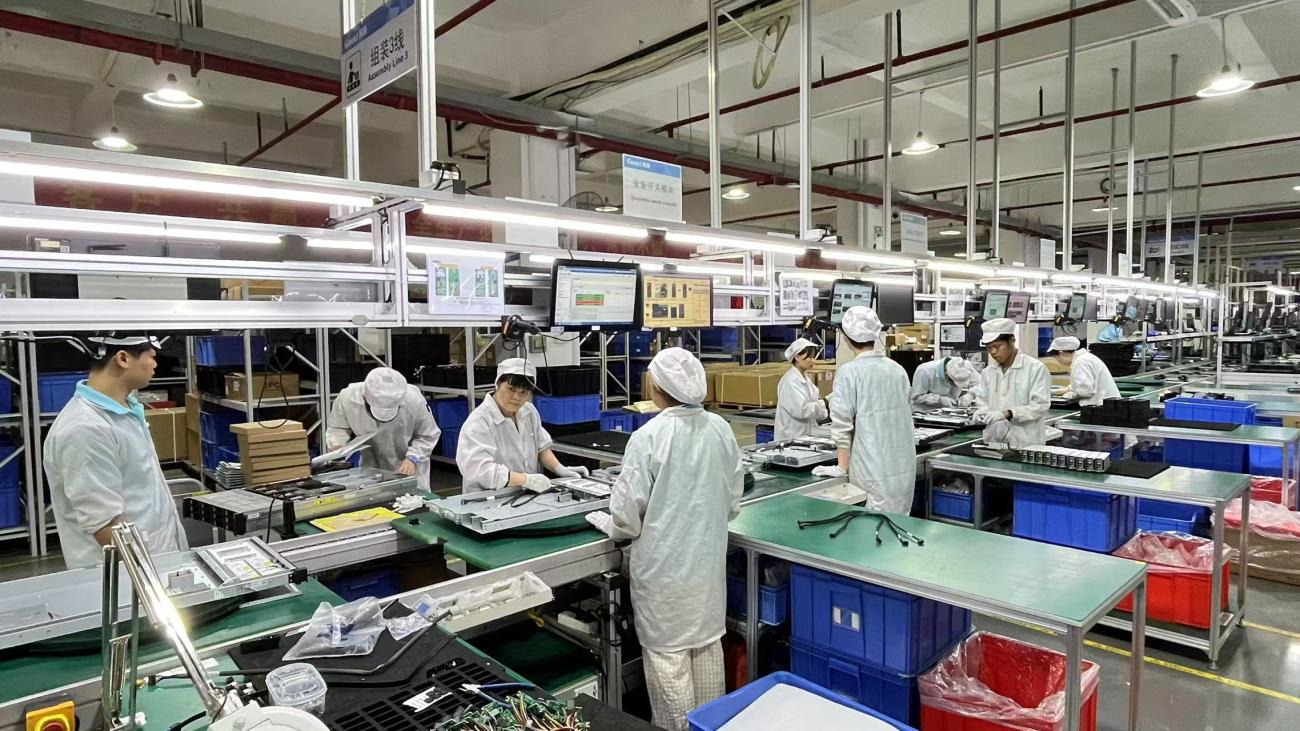
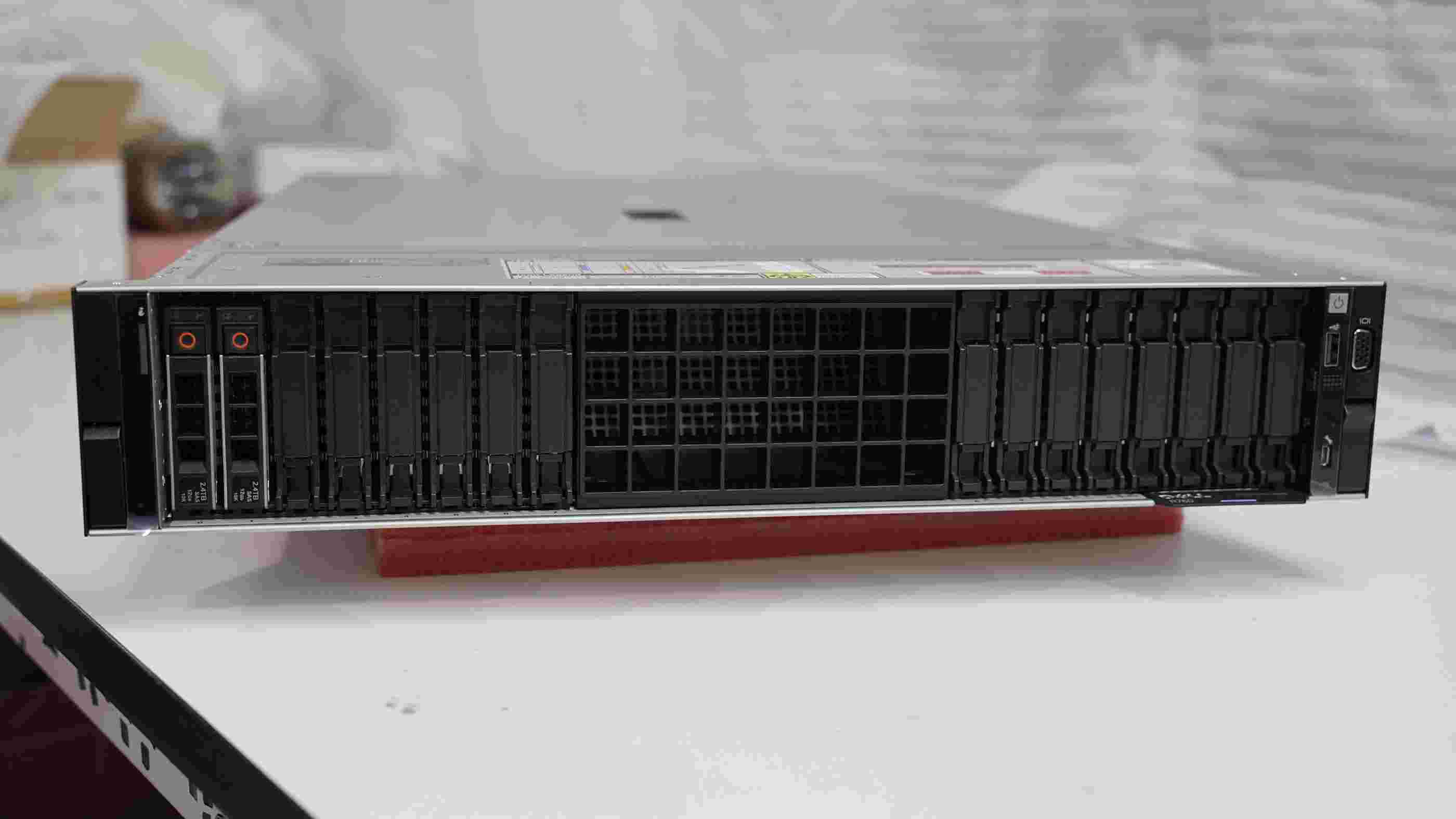
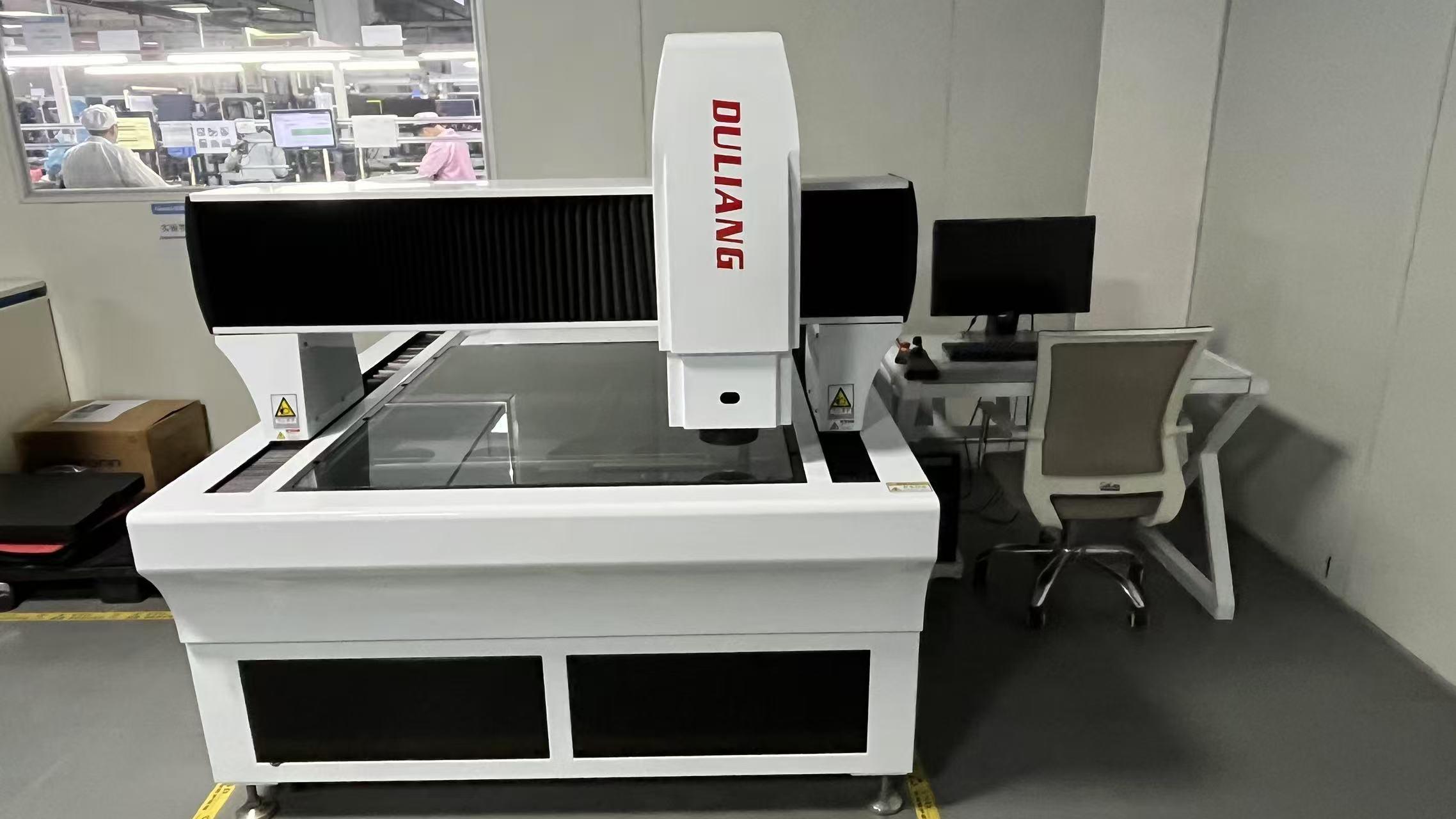
The global semiconductor market is undergoing rapid shifts as DRAM manufacturing transitions to smaller process nodes. This progress enables the production of high-density memory chips, facilitating the transition from DDR4 to DDR5. This transition is essential for modern server architectures, where memory bandwidth often limits system throughput. For purchasing teams in Saudi Arabia, maintaining a stable supply chain requires partners with direct access to Tier-1 DRAM silicon foundries (such as Samsung, SK Hynix, and Micron). This access ensures a reliable supply of memory modules even during global component shortages.
Our memory systems are designed to address the specific performance requirements of key sectors in the Kingdom:
The transition from DDR4 to DDR5 is a key upgrade for server systems. While DDR4 memory remains a reliable option for legacy installations, operating at speeds up to 3200MHz, DDR5 begins at 4800MHz and scales past 6400MHz. This increase in data rate provides the necessary bandwidth for high-core-count processors, ensuring memory channels do not bottleneck CPU performance.
Additionally, DDR5 changes how power is managed. It shifts voltage regulation from the motherboard to the memory module itself via an onboard Power Management Integrated Circuit (PMIC). This design improves power integrity and reduces power consumption to 1.1V, down from DDR4's 1.2V. DDR5 also features dual 32-bit subchannels on a single module, which improves data bus efficiency. Built-in on-die ECC corrects single-bit errors inside the DRAM array, working alongside external ECC to provide dual-layer data protection. Our R&D team of 118 engineers continuously develops our product lineup, introducing 126 new system configurations last year to help clients deploy modern memory architectures.
Detailed technical answers addressing compliance, thermal issues, and installation requirements in Middle Eastern datacenters.
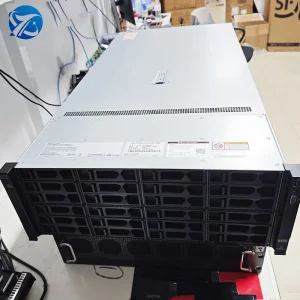
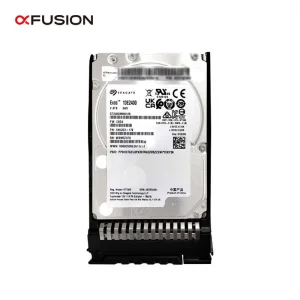
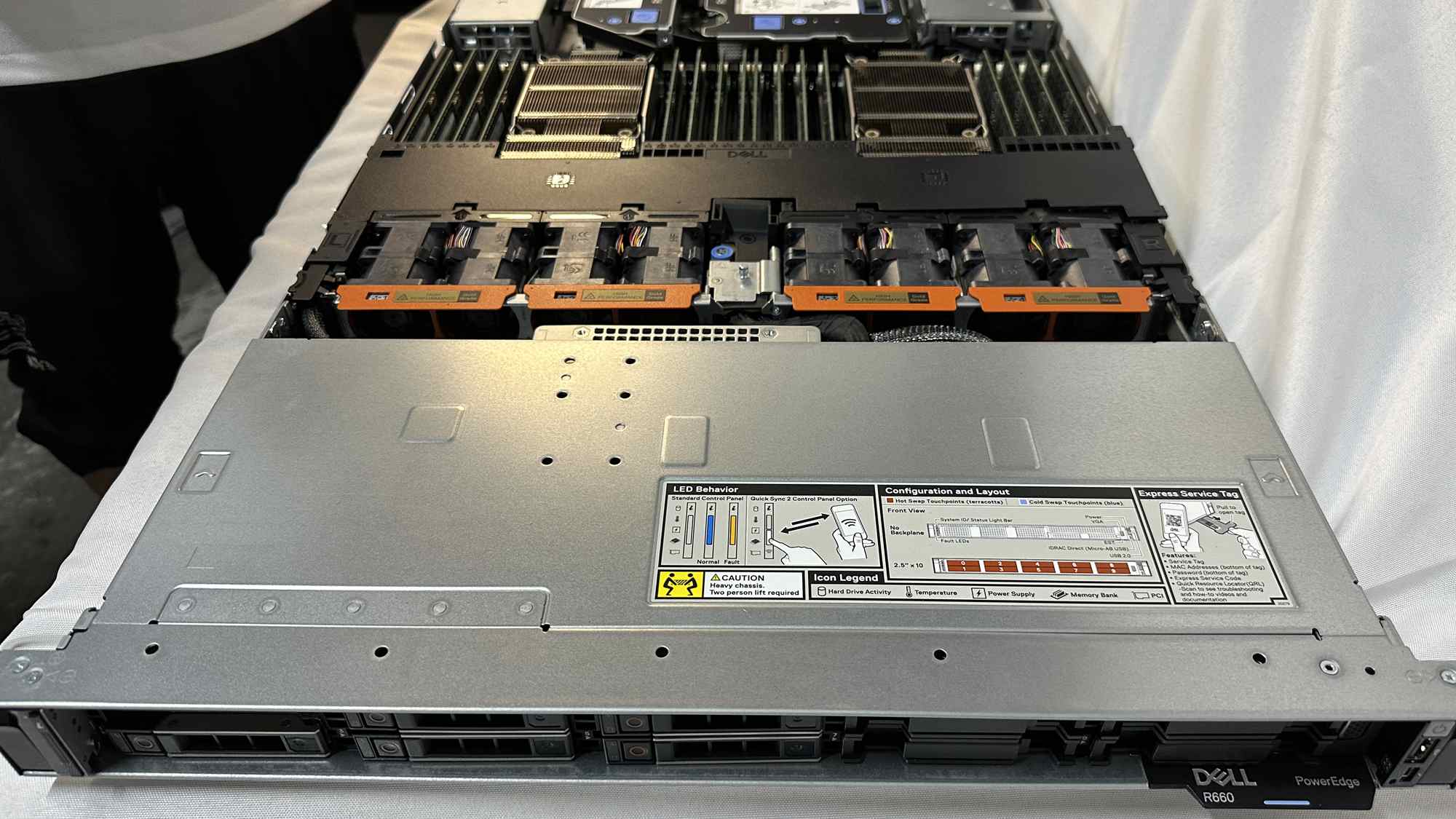
Enterprise rack platforms, NVMe SSDs, and storage drives optimized for heavy data workloads in Saudi Arabia.