 Neuralinko


Technical Deep-Dive: Enterprise AI & GPU Computing Architectures for Turkey's Digital Economy
As the artificial intelligence landscape expands globally, Turkey occupies a pivotal geographic and geopolitical position. The convergence of national initiatives such as the **National Artificial Intelligence Strategy (2021-2025)** and structural developments in public-private data initiatives have transformed the local market into a critical zone for computational infrastructure. High-performance GPU servers are no longer restricted to speculative research projects; they have become structural cornerstones for retail logistics, defense coordination, advanced FinTech pipelines, and industrial smart manufacturing.
1. Geopolitical and Logistical Significance of the Turkish Gateway
Turkey serves as a primary hub linking Europe with Asia and the broader Middle East. Its logistics networks connect physical goods and digital networks alike. The infrastructure projects currently developing in the Gebze Industrial Zone, Maslak's financial center, and Ankara’s Technoparks demand rapid data processing with minimal round-trip latency to Europe. By setting up physical AI server arrays inside regional borders, Turkish companies can process massive machine learning workflows locally. This eliminates the latency overhead of querying servers in Ireland, Frankfurt, or North America, which can introduce up to 80-120ms of delay—a margin that degrades real-time processing performance.
2. Local Regulatory Compliance: Decrypting the KVKK Impact
The Personal Data Protection Law (KVKK) in Turkey places clear limits on the transfer of personal data outside national borders. For sectors such as healthcare, financial services, and telecommunications, storing or processing user information in a remote cloud datacenter is tightly restricted. To maintain operational compliance, companies must deploy private infrastructure on-premise or within approved colocation facilities like those in Kocaeli or Istanbul.
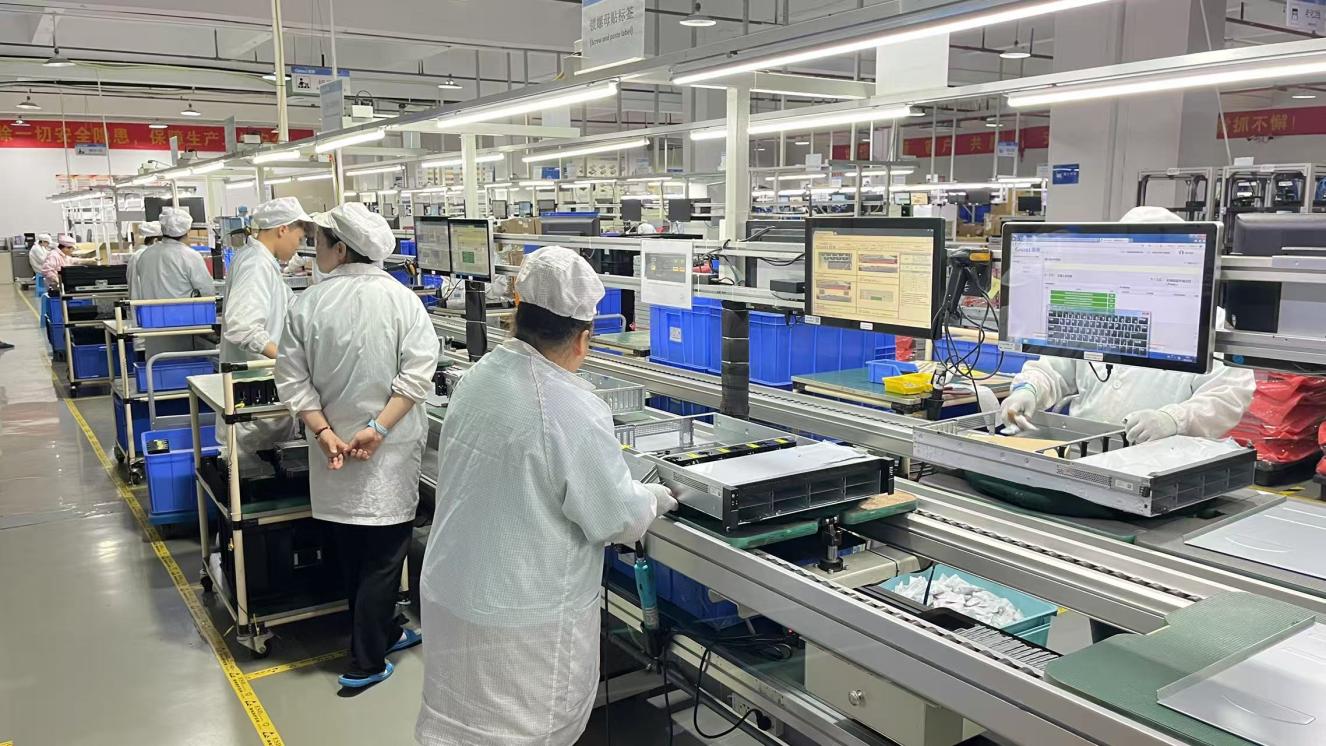
Neuralinko's custom-engineered GPU systems address this challenge. We supply Turkish system integrators with direct hardware configuration access. This enables absolute control over memory management, firmware-level security, and peripheral device pathways. By controlling the boot sequence and encryption keys through customized TPM configurations, local system administrators can guarantee compliance with the most stringent national data privacy audits.
3. Custom Engineering: Resolving Thermal and Electrical Challenges
Turkish datacenters often face demanding ambient conditions, particularly during the hot summer months in Marmara and Central Anatolia. High-density GPU configurations generate substantial thermal loads. Standard server racks with inadequate airflow design quickly experience thermal throttling, leading to reduced processing cycles and premature hardware degradation.
Neuralinko's R&D division has addressed this by developing localized structural solutions:
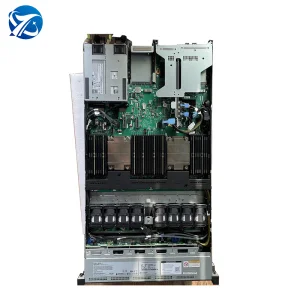
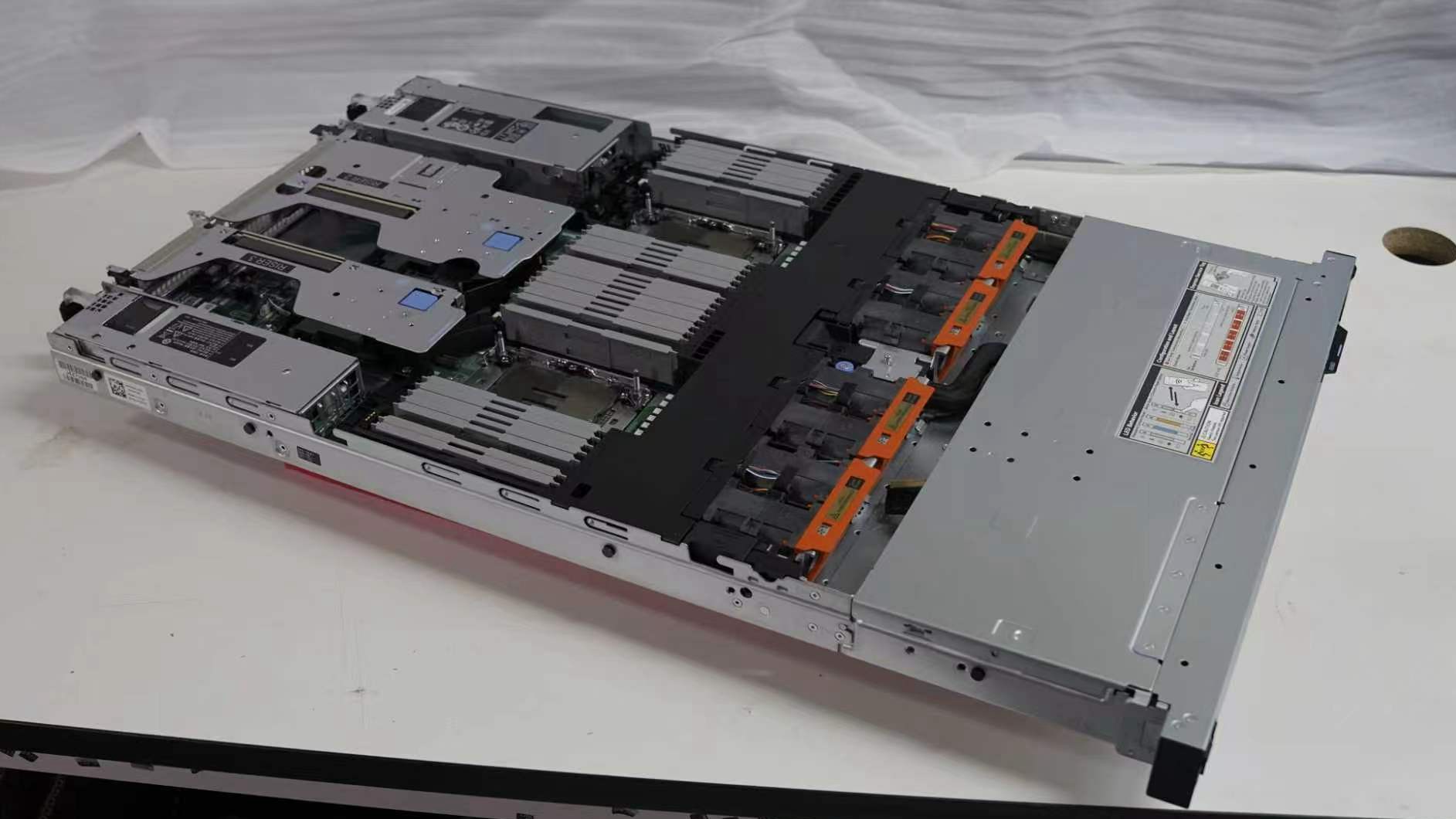
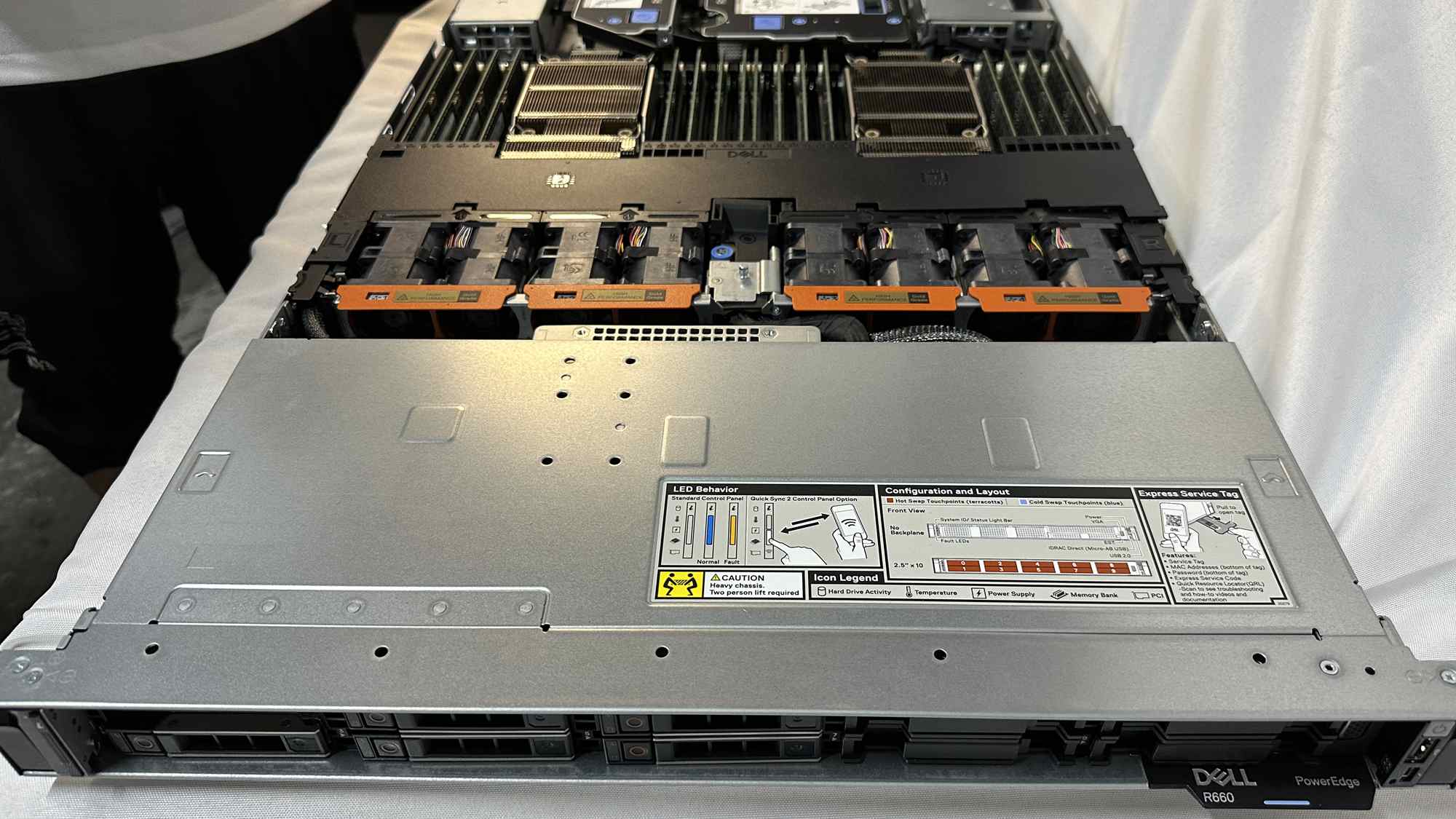
- Adaptive Multi-Fan Arrays: High-static-pressure fans linked to temperature sensors inside the PCIe housing dynamically adjust cooling paths based on real-time computational loads.
- Optimized Power Distribution Units (PDUs): Power delivery is engineered to handle fluctuations in regional electrical grids. Dual, redundant hot-swappable titanium-level power supplies (96%+ efficiency) prevent unexpected system resets.
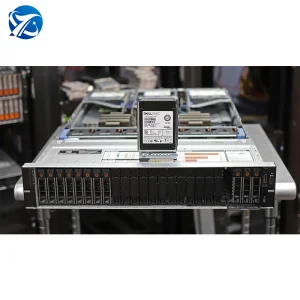
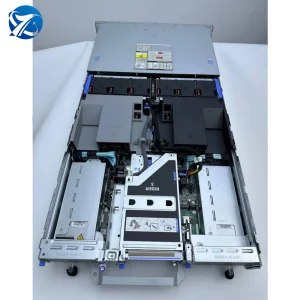
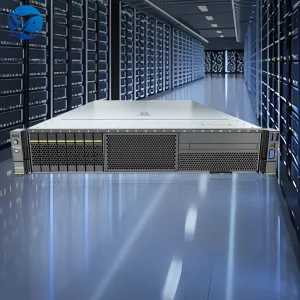
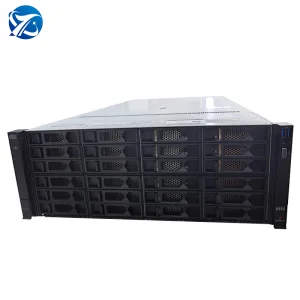
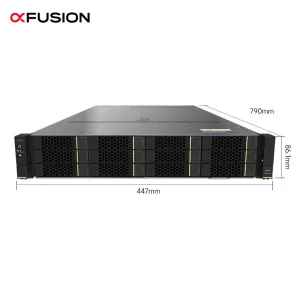
- Airflow-Efficient Chassis Design: 2U and 4U layout spacing is optimized to prevent stagnant air pockets around the GPU arrays, lowering overall Power Usage Effectiveness (PUE) at the rack level.
4. Global Collaboration and Supply Chain Security
In the global semiconductor market, hardware shortages can delay large-scale AI integration plans for months. Through our network of over 1,200 supply chain partners, Neuralinko secures consistent access to core components, including high-speed DDR5 RAM, high-bandwidth storage arrays (NVMe Gen 5 SSDs), and advanced processor platforms (Intel Xeon & AMD EPYC). This reliable supply chain enables Turkish operators to build scalable cloud clusters without facing the standard wait times of traditional retail channels.
5. Enterprise Verticals and Use-Cases in Turkey
The application of high-performance GPU systems across Turkey is diverse:
- Smart Cities and Automotive (Gebze & Bursa): Real-time computer vision processing for smart manufacturing lines, automated traffic management systems, and local electric vehicle telemetry analytics.
- FinTech and Algorithmic Trading (Istanbul FinTech Hub): Sub-millisecond fraud detection engines, conversational customer service agents, and automated market-making algorithms using high-density Xeon nodes.
- Defense and Surveillance Systems (Ankara Defense Sector): Processing geospatial imagery and sensor fusion pipelines for autonomous aerospace and search-and-rescue applications.
- Natural Language Models (Agglutinative Language Focus): Building specialized localized language models (LLMs) optimized for Turkish grammar and morphology, requiring high-bandwidth memory architectures.
6. Technological Evolution: Next-Generation High-Speed Interconnects
Modern machine learning models require multi-node cluster configurations. Traditional network pipelines often struggle under the weight of massive node-to-node synchronization requirements. We integrate advanced networking interfaces, including 200Gb/s and 400Gb/s InfiniBand cards, directly into our custom server assemblies. This enables high-speed data exchanges between GPU components, minimizing bottleneck delays and reducing the training times of complex models from weeks to days.
Neuralinko's commitment to Turkey's technology sector is reflected in our dedicated design options, responsive engineering support, and reliable logistics pipelines. By acting as a direct engineering partner, we ensure Turkish enterprise networks possess the raw computational power required to compete globally.