Neuralinko
Neuralinko
Neuralinko
Enterprise-grade computing systems designed for highly-secured blockchain validating nodes, zero-knowledge proof calculations, and cryptographic processing architectures.
Analyzing the structural shifts in enterprise blockchain deployment. How modern CTOs secure transaction scalability, low network latency, and high system availability.
Executing complex zk-SNARKs/zk-STARKs requires robust hardware configurations. GPU-driven systems accelerate math-heavy proving steps, dropping network confirmation cycles significantly.
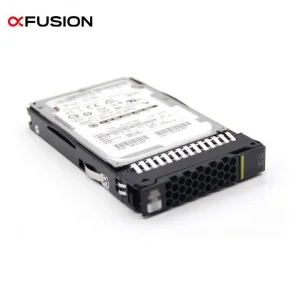
Blockchain ledgers scale continuously. Deploying enterprise SSD solutions with high-speed RAID arrays avoids database bottlenecks and safeguards transactional read-write access speeds.
Hardware-isolated secure enclaves ensure private transaction data remains fully shielded during active node computations, adhering to the highest standards of Web3 trust frameworks.
In the current macroeconomic climate, organizations integrating decentralized ledger technology (DLT) face unique procurement parameters. Unlike traditional cloud computing, blockchain node infrastructure requires continuous validation capability with zero downtime tolerance. A single node crash can trigger slashing penalties or disrupt critical ledger consensus. Therefore, procurement offices prioritize system durability, component lifecycle, and thermal efficiency.
Furthermore, the demand for modularity has skyrocketed. Companies are no longer purchasing static configurations. Instead, they require multi-mode hardware that accommodates varying consensus protocols, shifting from memory-heavy validating configurations to compute-heavy cryptographic proving environments. This makes raw server customizability a baseline requirement for international technology partners.
How Neuralinko Intelligent Technology Co., Ltd. bridges the gap between state-of-the-art server engineering and industrial blockchain computing requirements.
Neuralinko Intelligent Technology Co., Ltd. is a professional AI server manufacturer specializing in high-performance GPU servers, AI computing infrastructure, and customized data center solutions for global enterprises. Established in 2018, the company operates from a modern 386㎡ production and engineering facility, delivering reliable AI hardware solutions for machine learning, deep learning, large language models (LLMs), cloud computing, and HPC applications.
With over 8 years of industry experience and 6 years of export expertise, Neuralinko has built a strong reputation for providing scalable, energy-efficient, and enterprise-grade AI server systems. Our annual export revenue exceeds USD 18 million, serving customers across North America, Europe, Southeast Asia, the Middle East, and Australia.
Quality is at the core of our operations. We implement strict quality control procedures, including incoming material inspection, in-process quality monitoring, system burn-in testing, performance benchmarking, thermal testing, and final product verification. Our dedicated quality assurance team consists of 42 experienced inspectors, ensuring every server meets international standards before shipment.
Neuralinko maintains long-term partnerships with over 1,200 supply chain partners, including leading component manufacturers and technology providers. This robust ecosystem enables us to ensure stable production capacity, competitive pricing, and fast delivery times. Our primary customer base includes AI startups, cloud service providers, system integrators, data center operators, research institutions, government organizations, and enterprise IT solution providers. We offer comprehensive OEM and ODM services, supporting custom chassis design, GPU configuration, branding, firmware optimization, and rack-level deployment solutions.
Innovation drives our growth. Supported by a professional R&D team of 118 engineers, Neuralinko continuously invests in next-generation AI computing technologies. Last year alone, the company successfully introduced 126 new products and system configurations to meet the evolving needs of the global AI industry. Through advanced manufacturing capabilities, strong engineering expertise, and customer-focused service, Neuralinko is committed to becoming a trusted global partner for AI infrastructure and GPU server solutions.
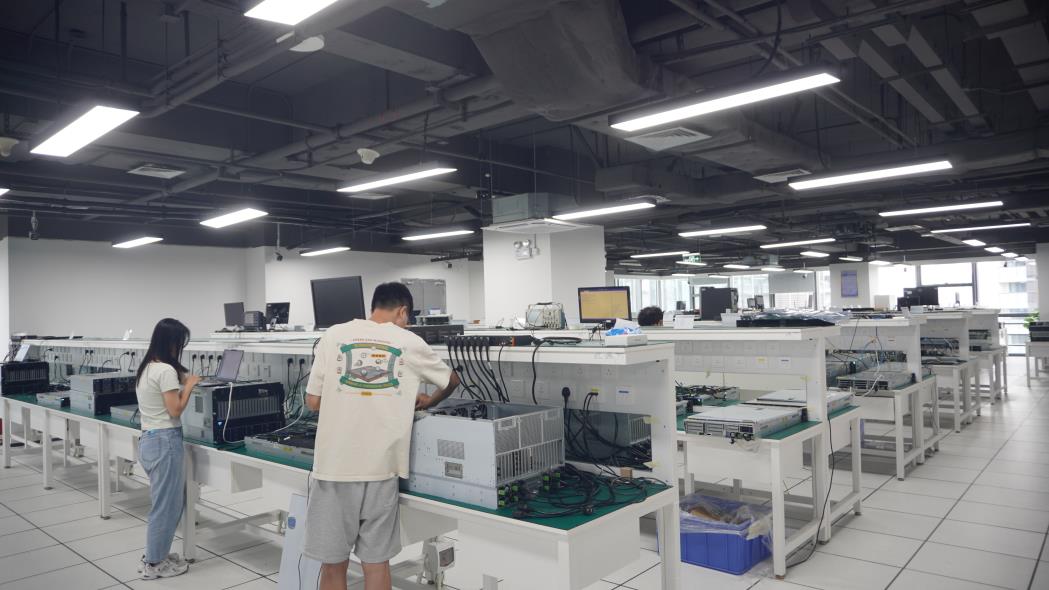
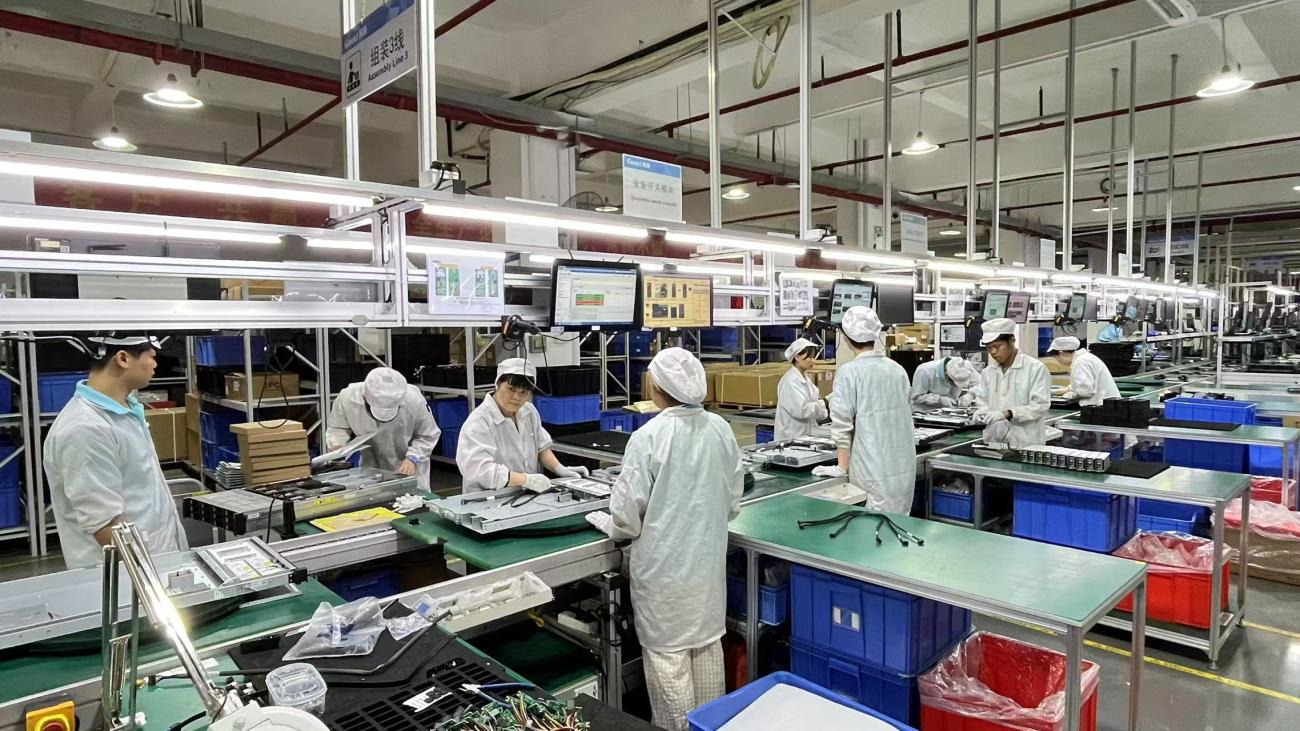
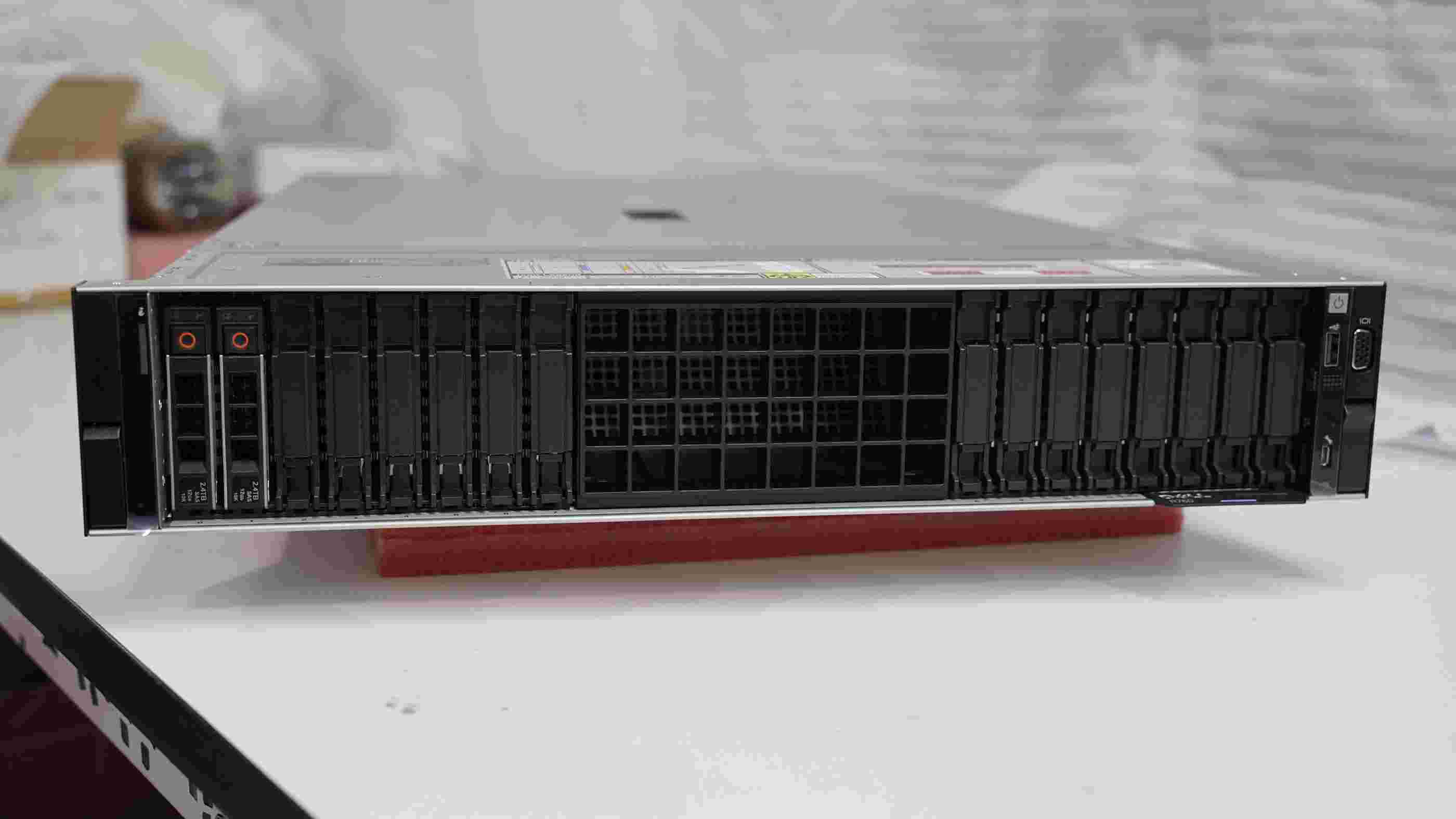
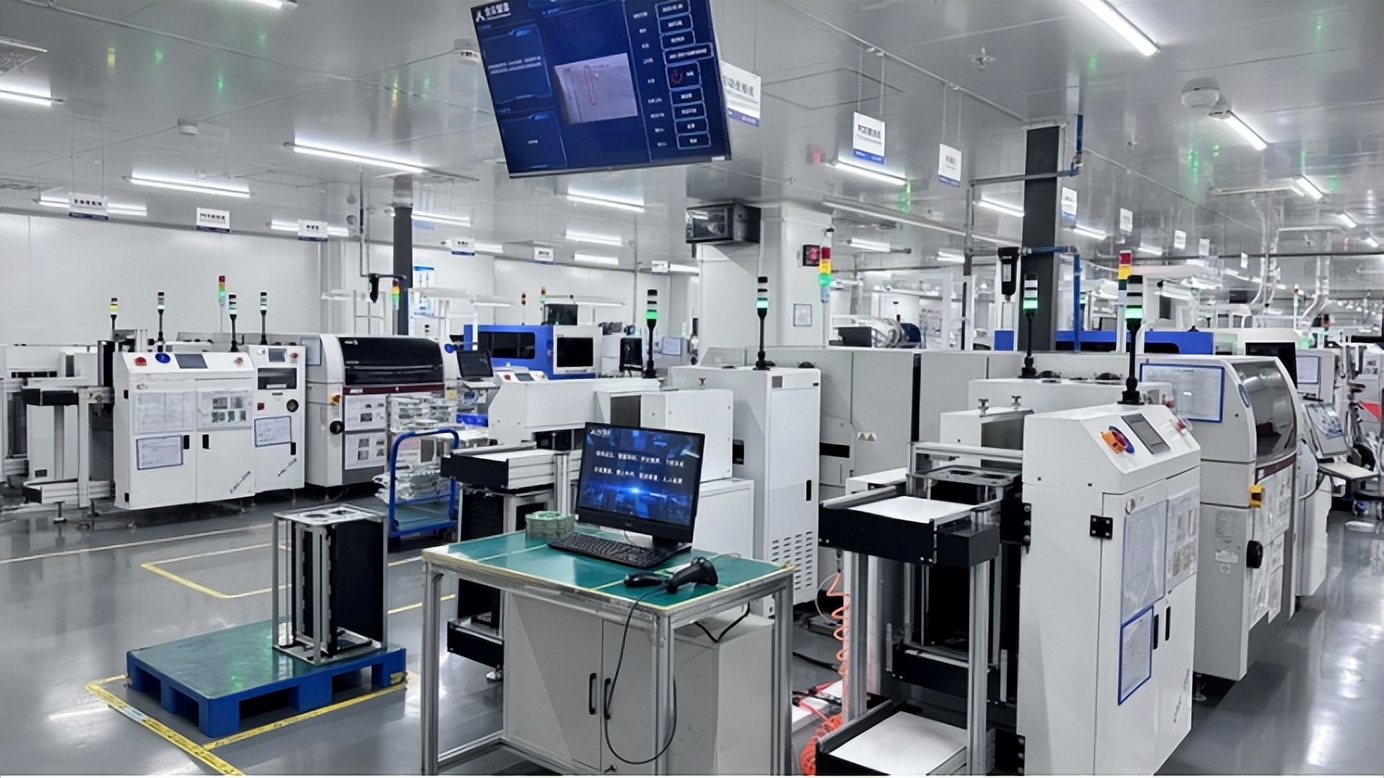
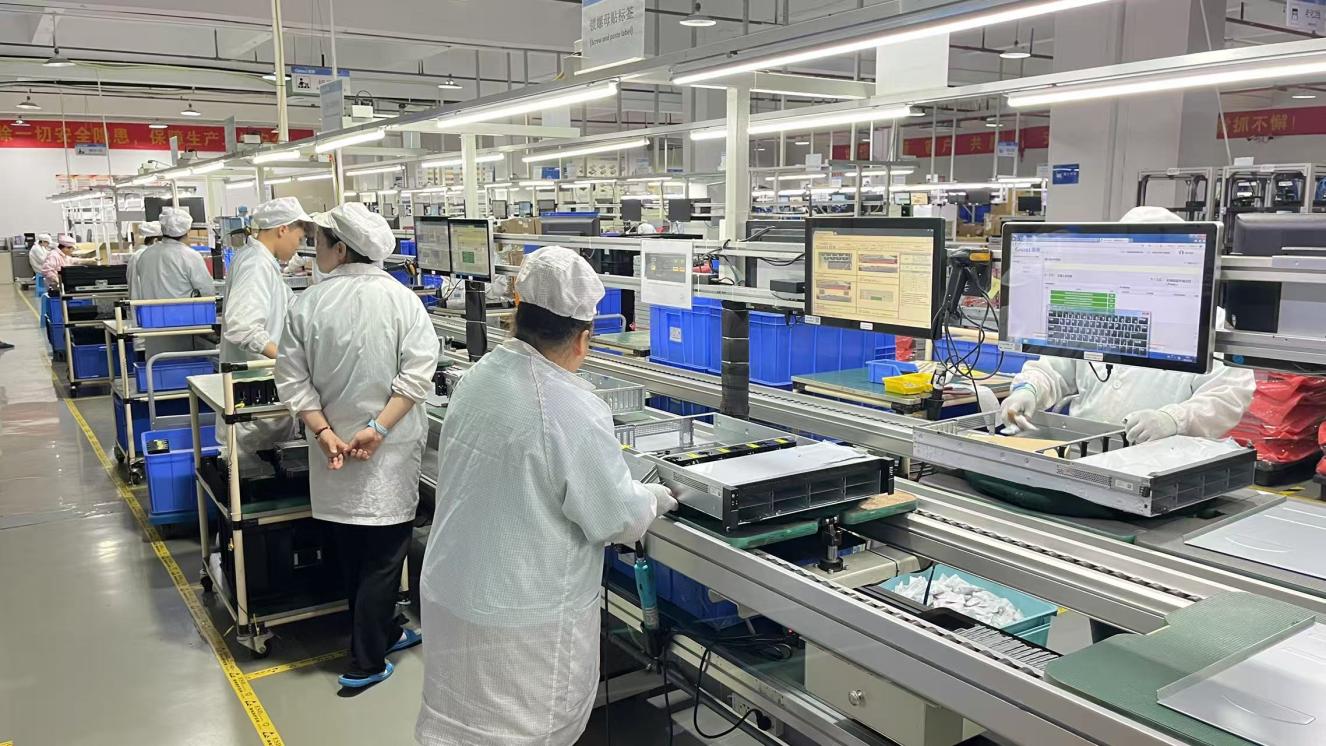
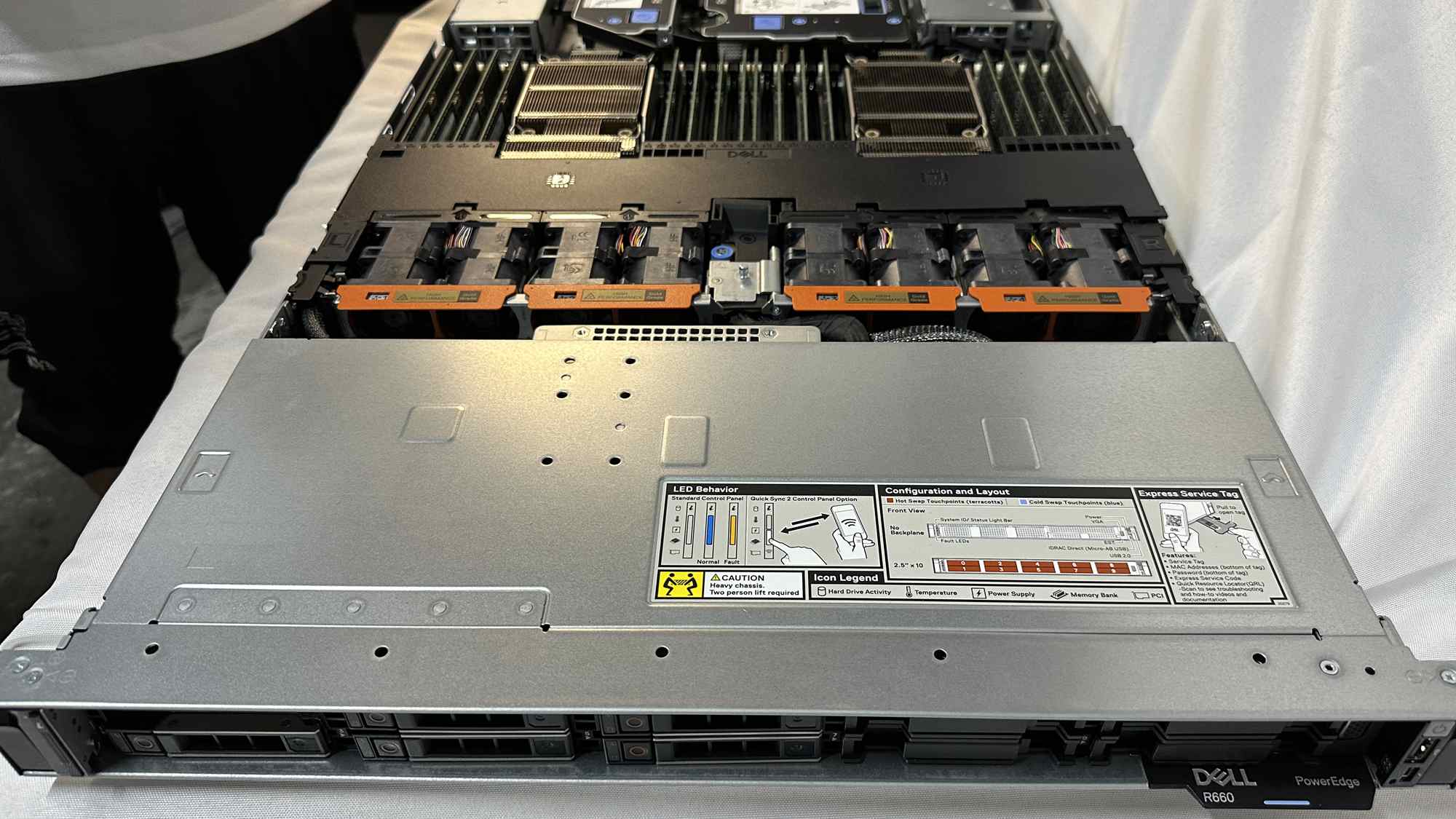
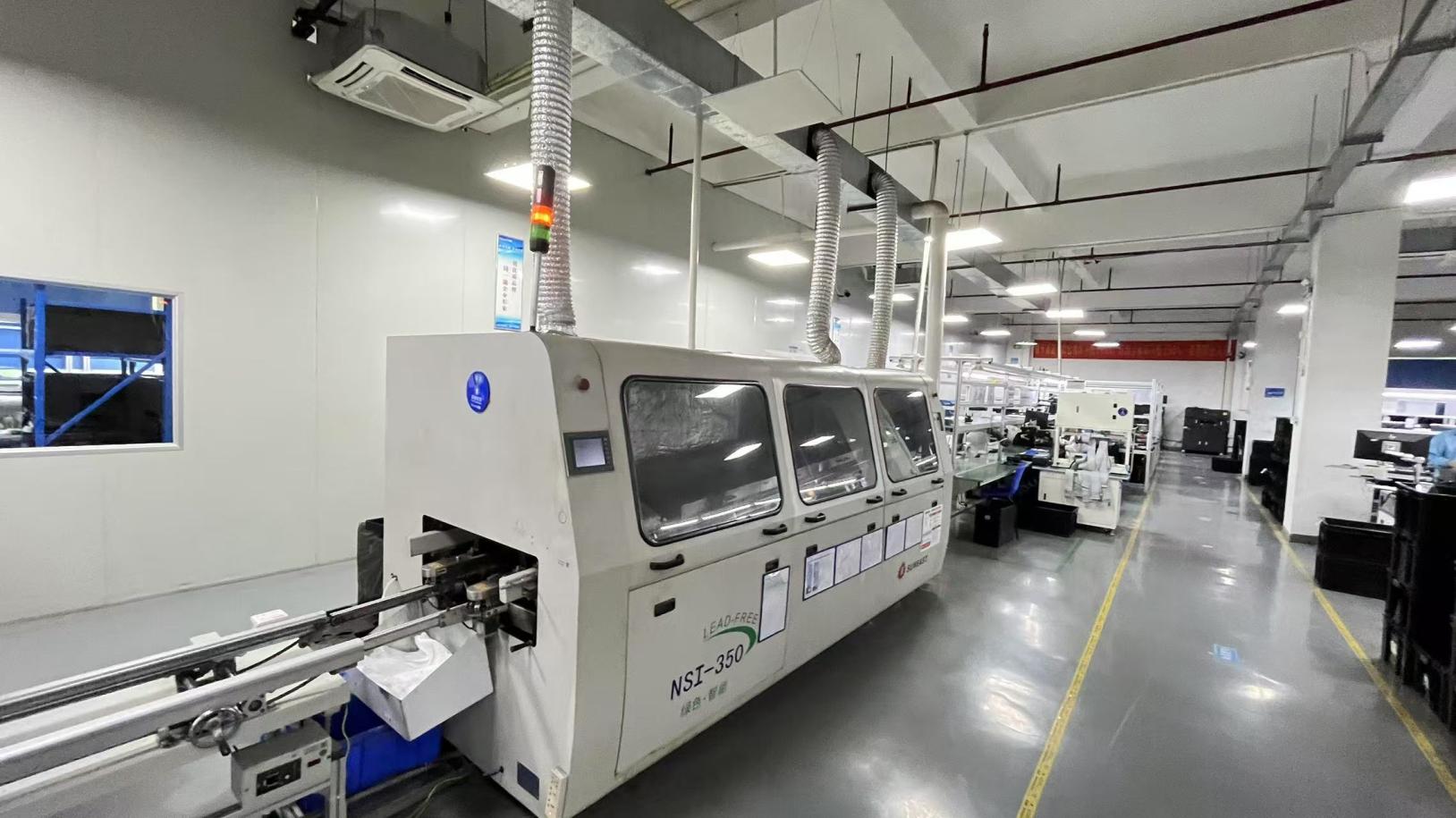
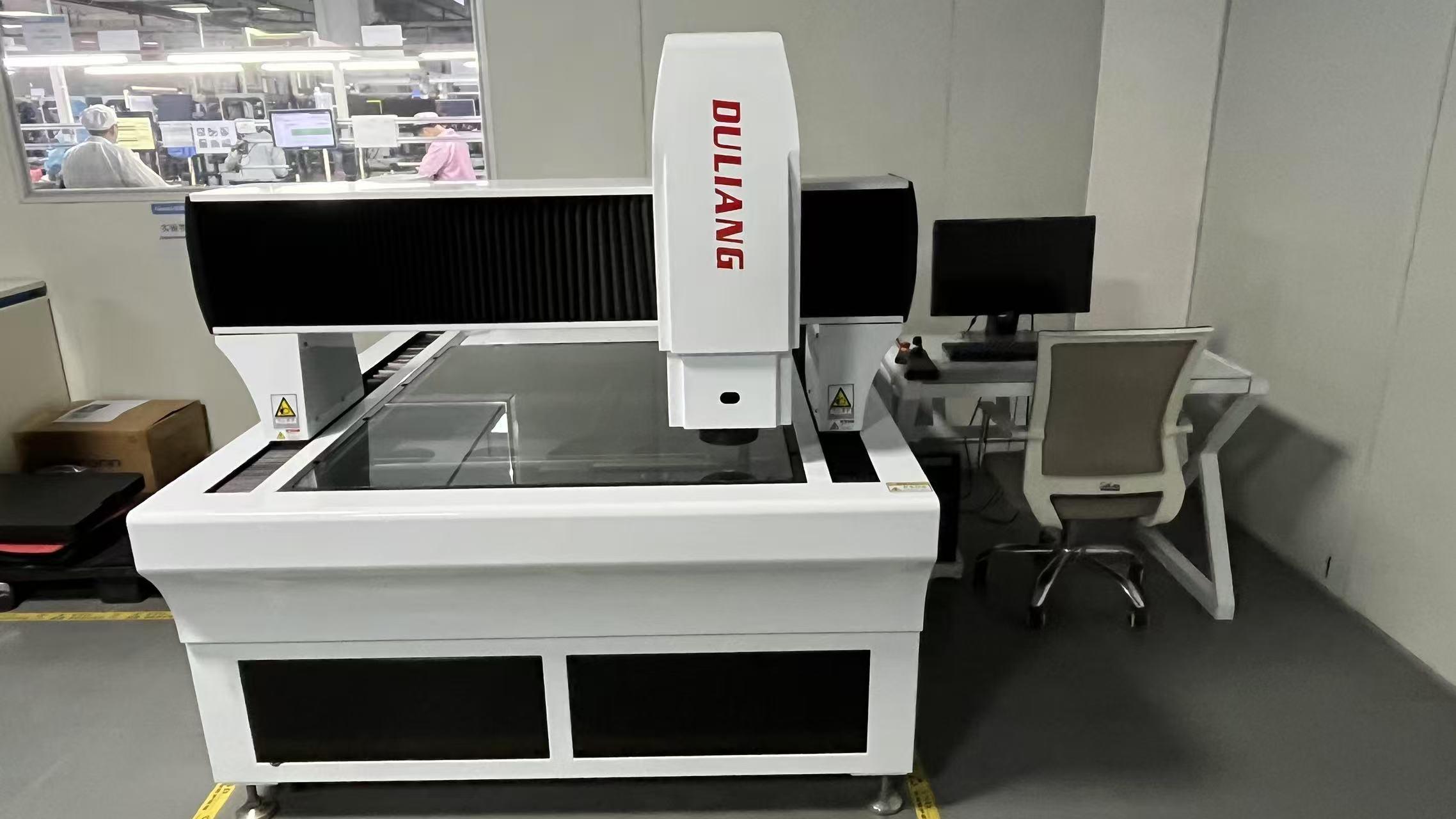
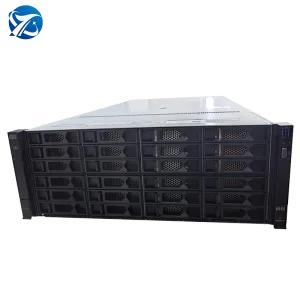
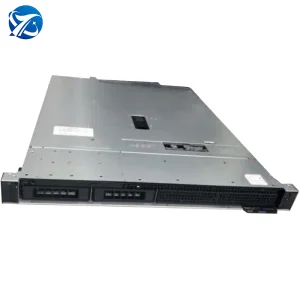
Engineered configurations matching critical application pathways across global corporate networks and sovereign Web3 clouds.
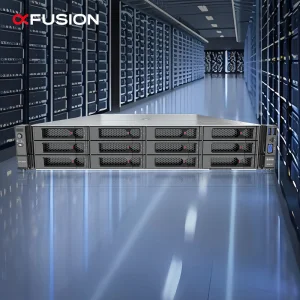
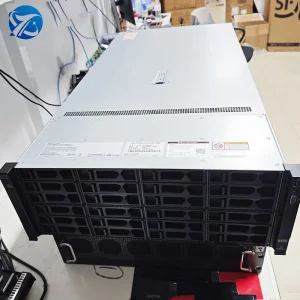
Deploying high-capacity, multi-core storage servers configured with hardware RAID cards ensures cryptographic data storage networks maintain file integrity and high retrieval rates.
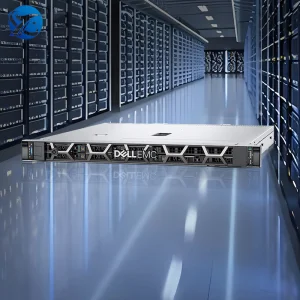
Custom high-core 2U architectures running enterprise Hyperledger, Corda, or Ethereum client clusters ensure reliable state validation and smart-contract execution across cross-border financial systems.
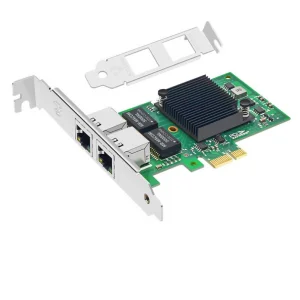
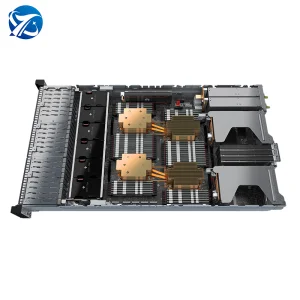
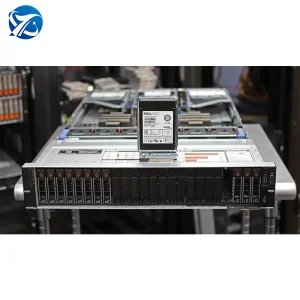
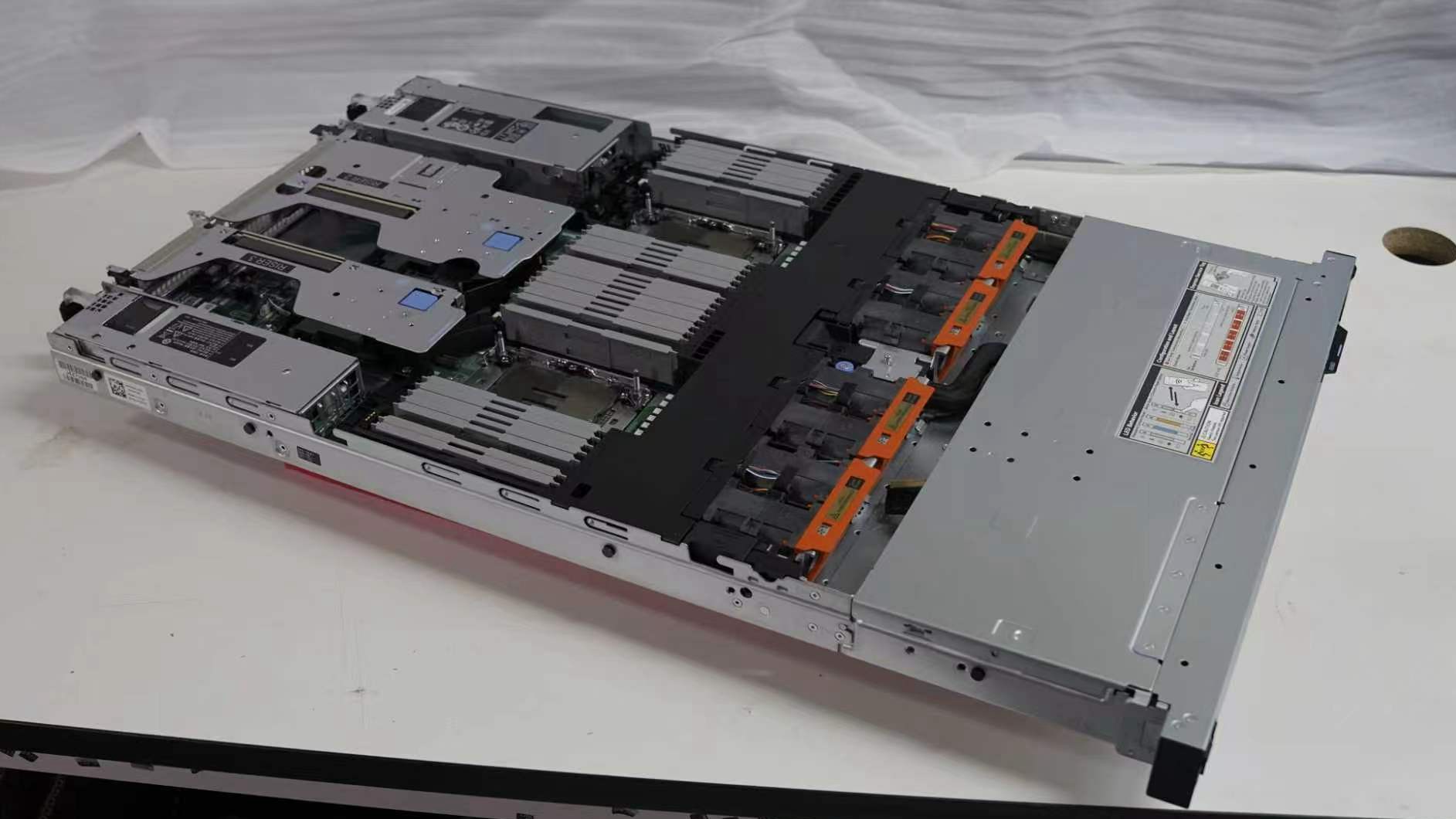
Configured with multi-gigabit networking interfaces, our dual-socket platforms allow providers to run hundreds of virtual node instances smoothly without encountering local network bottlenecks.
The industrial landscape for blockchain systems has matured beyond isolated experimentation. Major retail giants, shipping logistics conglomerates, and central banking systems utilize private and public hybrid networks to verify transactions and execute automated supply contracts. At this scale, computing nodes are not simple individual desktop machines; they are multi-cabinet clusters located in centralized, secure data centers.
Our collaborative deployments highlight that selecting matching network controllers is as vital as picking the CPU. Large-scale networks exchange high volumes of validation messages. By pairing high-performance processors with high-speed network interface cards (NICs), we prevent packet drops and maintain node-level block-propagation leadership. This directly translates into higher validator payouts and better chain security metrics.
Preparing data center infrastructure for the next decade of cryptographic acceleration and quantum-resistant algorithms.
As consensus algorithms evolve, the demand on server architecture shifts. The upcoming wave of blockchain infrastructure is focused intensely on two major fronts: Zero-Knowledge (ZK) Prover Acceleration and Post-Quantum Cryptography (PQC). Legacy hardware lacks the specific mathematical pipelines to perform these calculations efficiently, making dedicated computing arrays vital for scaling next-generation Layer-2 networks.
Additionally, the integration of AI-agent systems running inside blockchain smart contracts is increasing. This convergence requires computing nodes that are equally adept at processing machine learning models (like DeepSeek) and validating block hashes. Neuralinko's dual-socket, high-density GPU platforms are uniquely positioned to serve this hybrid sector, providing unified infrastructure for AI and blockchain applications alike.
Meeting international export guidelines, security certifications, and offering localized maintenance architectures.
Deploying digital ledger systems globally requires strict compliance with local regulations, such as Europe's MiCA framework, North American data privacy acts, and Asia-Pacific digital asset storage rules. At the hardware level, this calls for verifiable supply chain transparency. Every chip, controller, and memory stick must have a documented line of custody to ensure no unauthorized tampering has occurred during manufacturing or transit.
Neuralinko addresses these concerns through robust quality management systems. Our 42 quality inspectors monitor production stages from raw silicon components to final system burn-in testing. With active export pipelines to North America, Europe, the Middle East, and Australia, we ensure all server shipments comply with CE, FCC, RoHS, and local electrical standards, minimizing customs delays and deployment friction.
Moreover, we provide extensive post-sale SLAs, including remote system management diagnostic tools (IPMI 2.0), prompt hardware replacements via local partner networks, and direct developer support for firmware optimization. This comprehensive framework guarantees that your validating infrastructure remains online, compliant, and performing at peak efficiency, regardless of regional deployment variables.
Expert insights addressing common engineering, procurement, and deployment questions for blockchain computing infrastructure.
Blockchain validators record transaction states sequentially. If disk write speeds lag or a drive encounters a physical failure, the node will lose synchronization with the network, causing offline penalties. Utilizing high-performance Tri-Mode RAID cards, such as the 9560-8I, ensures multi-drive speed pathways, reliable write-back caching, and automatic drive failover protection, ensuring the database remains online and accurate.
Our factory employs a strict multi-phase verification process led by our 42 experienced inspectors. This includes incoming quality control (IQC) for all semiconductors and chassis components, in-process checking (IPQC) during system integration, 72-hour system burn-in diagnostics, thermal imaging under heavy workloads, and complete network interface stress-testing before final packaging and international transport.
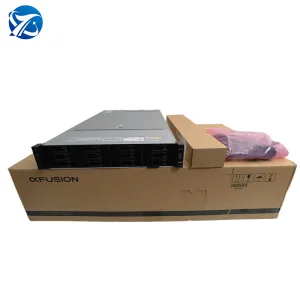
Yes. Modern Zero-Knowledge Rollup (ZK-Rollup) validation mechanisms rely heavily on multi-exponentiation (MSM) and number-theoretic transform (NTT) operations. These computations are highly parallelizable and run exceptionally fast on GPU architectures like the xFusion G8600 and G5500 platforms. Deploying these units reduces proof creation times from hours to seconds.
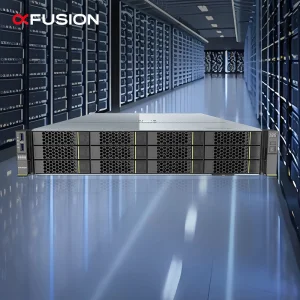
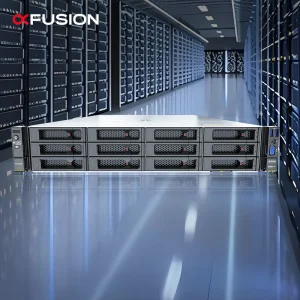
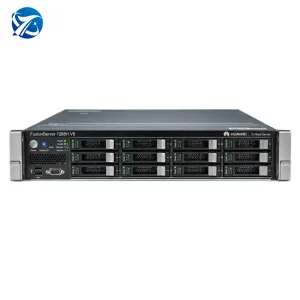
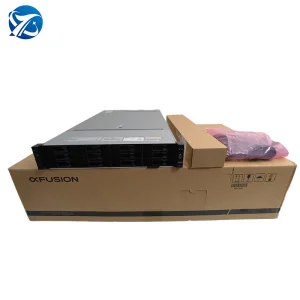
Dual-socket systems (such as the 2U 2288H V7 rack servers) allow operators to separate primary system management and cryptographic signing onto different CPUs. This hardware-level separation reduces internal thread conflicts, decreases verification times, and increases the system's capacity to handle spikes in transaction volume.
All our servers are equipped with Platinum or Titanium-rated high-efficiency power supplies (e.g., 900W and higher options) to minimize conversion losses. Furthermore, our customized UEFI bios configurations let datacenter managers dynamically govern CPU power scaling based on node processing queues, saving electricity during off-peak hours.
Explore additional heavy-compute systems optimized for distributed network deployments, database management, and intensive machine-learning workloads.