Neuralinko
Neuralinko
Neuralinko
Engineered to support heavy-load transaction processing, payment security layers, and hardware acceleration.
Insight into how physical compute architecture forms the backplane of modern financial ecosystems.
In the digital economy, a payment gateway is much more than a software interface or integration API. Below the logical layers of authorization, tokenization, and clearing lies a robust, heavy-duty layer of global physical servers, Hardware Security Modules (HSMs), and specialized database storage nodes. High-volume payment gateways operate within tight microsecond windows to authorize credit card payments, digital wallet transfers, and cross-border bank settlement pipelines. To process millions of transactions per second (TPS) globally while preventing unauthorized access and chargebacks, hardware architectures must offer absolute reliability and state-of-the-art computational safety.
Currently, the market for transaction gateway infrastructure is shifting toward AI-assisted, highly distributed models. Traditional financial mainframes are progressively replaced or augmented by scale-out x86 and ARM-based rack servers equipped with neural accelerators. The global shift from centralized systems to distributed data centers ensures that high-speed local processing node setups can execute instantaneous encryption algorithms and real-time fraud profiling under high-traffic events, such as retail shopping holidays or localized service spikes. Modern suppliers of computing platforms are required to provide custom compute environments capable of executing deep-learning anti-fraud models (e.g., DeepSeek, LLMs, and real-time behavioral analytics) at the network edge.
Fintech architectures target a sub-10ms latency window for routing authorization packets. High-speed network interfaces, fast CPUs, and NVMe drives play critical roles in minimizing delays.
Payment processors must align hardware directly with PCI-DSS guidelines. Storage configurations must support real-time tokenization and zero-trust isolated environments.
High-density SSD arrays and dedicated NAS systems store cryptographically signed digital ledgers and read-intensive audit logs for compliance tracking.
Leveraging optimized components, strict QA, and a vast ecosystem to supply hardware across five continents.
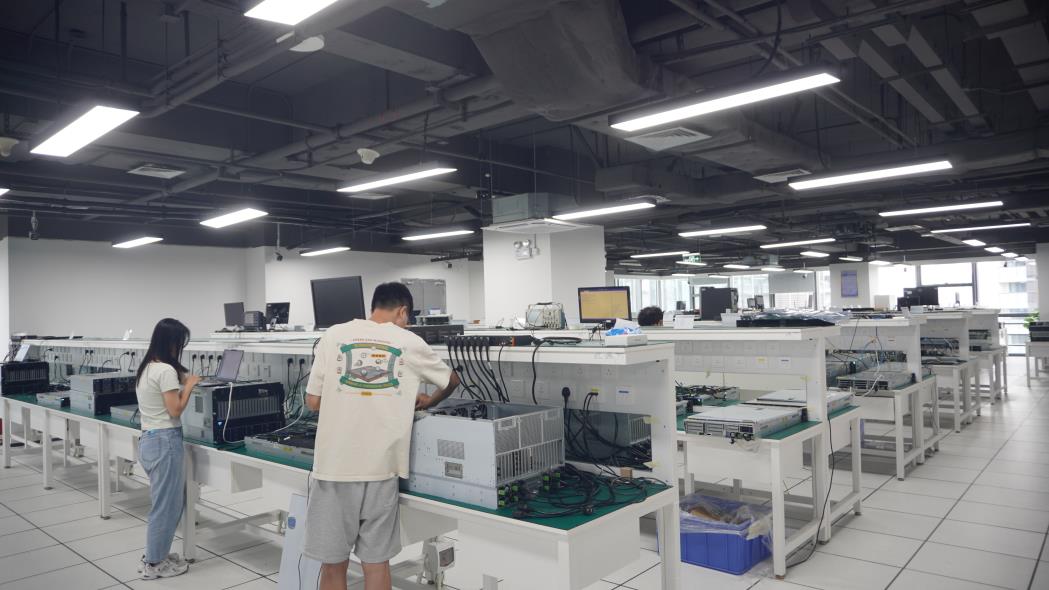
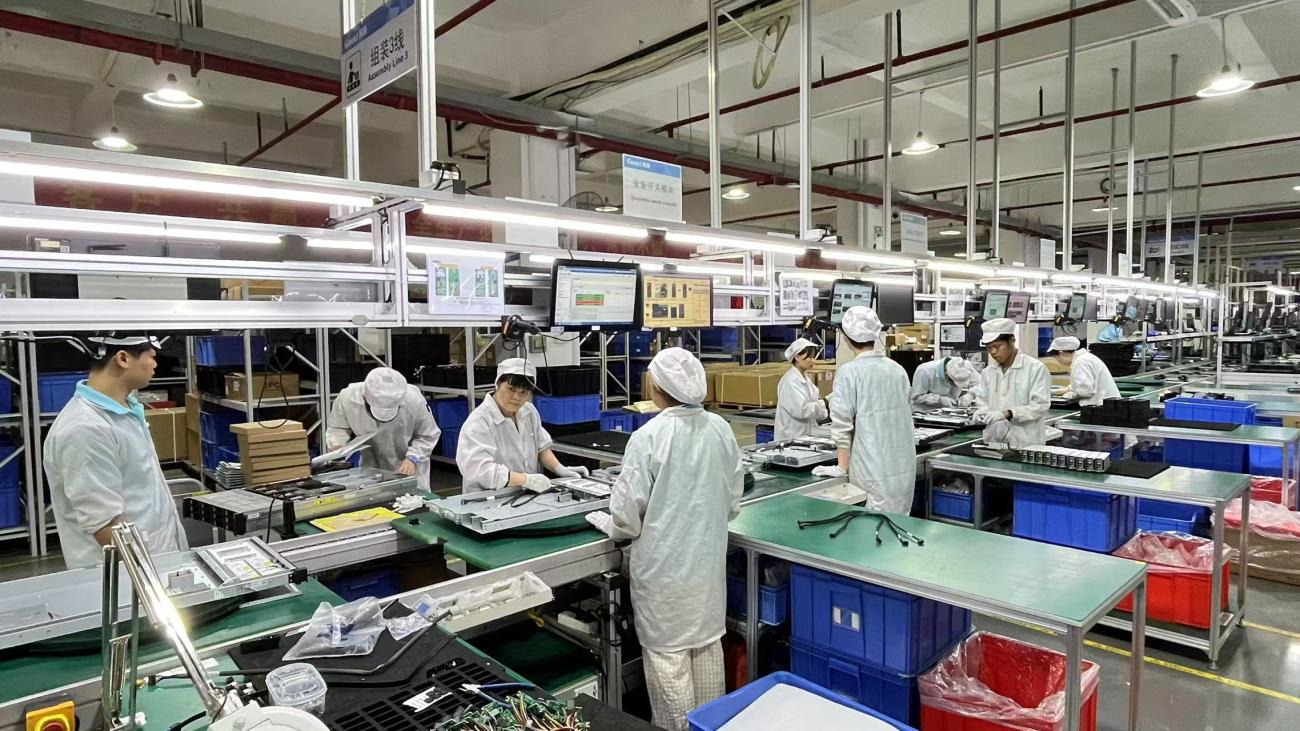
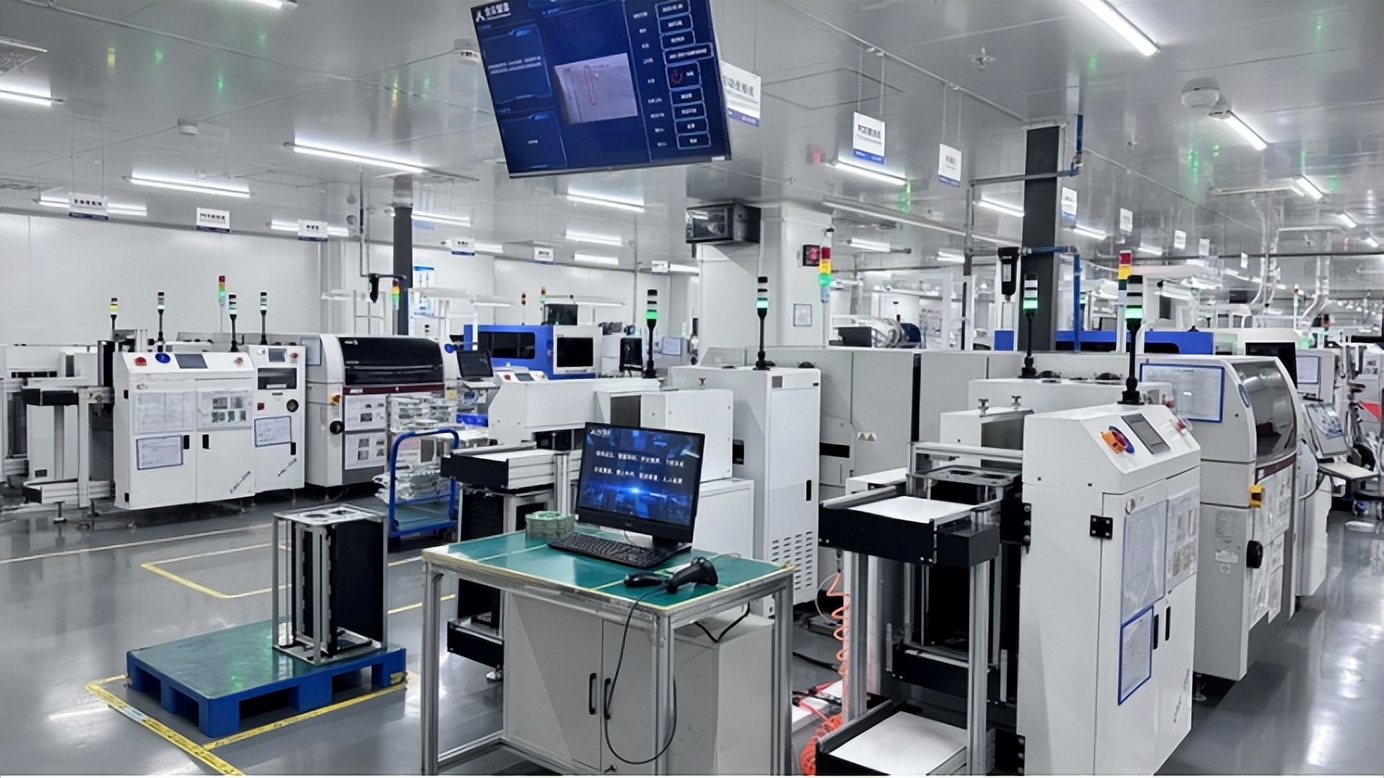
As a leading supplier in high-density computing arrays, Neuralinko Intelligent Technology Co., Ltd. utilizes a highly efficient manufacturing strategy. Operating from a modern 386㎡ engineering, testing, and prototyping facility established in 2018, Neuralinko focuses heavily on hardware customization, pre-shipment stress testing, and custom BIOS/firmware development. The company links directly with a massive network of over 1,200 supply chain partners and contract manufacturing facilities. This allows us to source raw components at highly competitive rates, bypassing bottlenecks and assuring fast assembly turnaround times for clients worldwide.
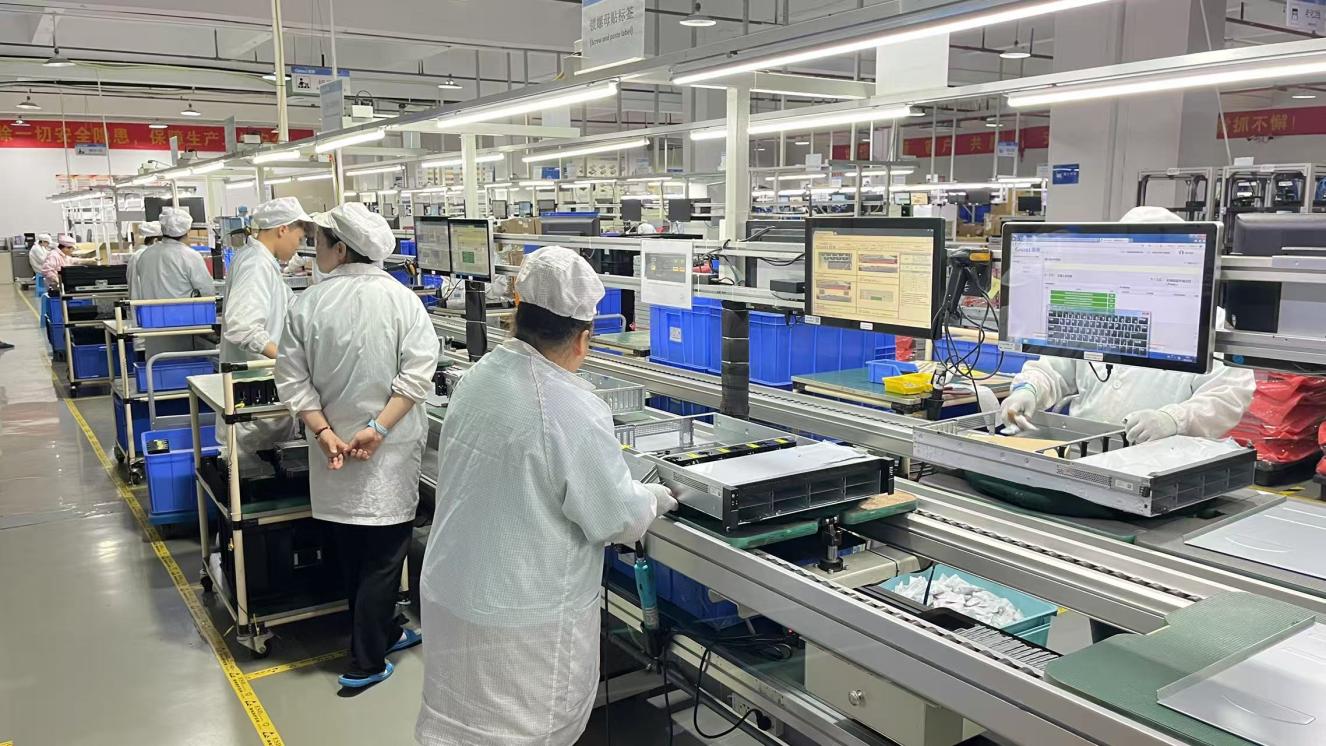
For financial-grade equipment, reliability is the primary standard. Neuralinko employs 42 specialized quality assurance inspectors who manage multi-layered verification loops, including incoming component testing, automated assembly validation, long-term system burn-in testing, and thermal profile assessments under variable load conditions. Led by a dedicated R&D group of 118 engineers, Neuralinko continually adjusts system configurations—developing 126 new hardware configurations and products in the last year alone. This persistent focus has fueled an annual export revenue exceeding USD 18 million, serving customers in North America, Europe, the Middle East, Southeast Asia, and Australia.
How high-performance servers power distinct points within the global payment lifecycle.
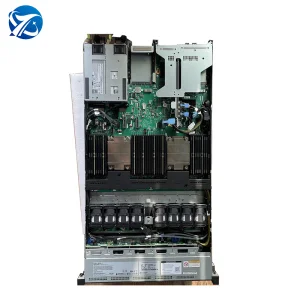
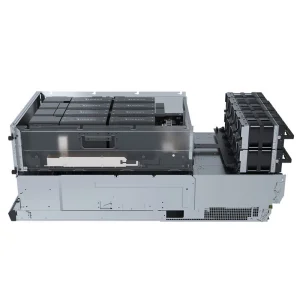
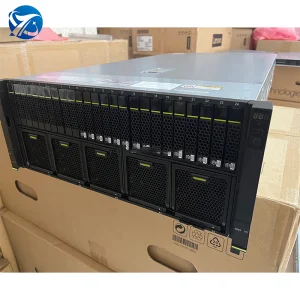
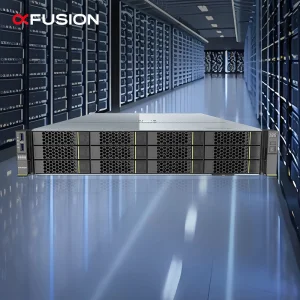
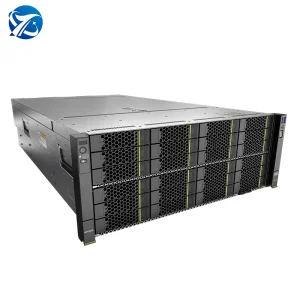
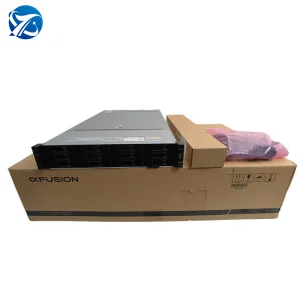
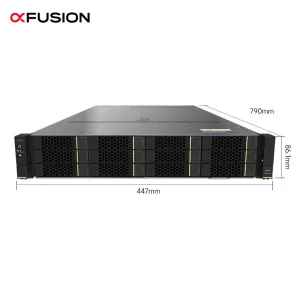
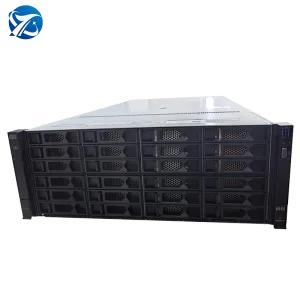
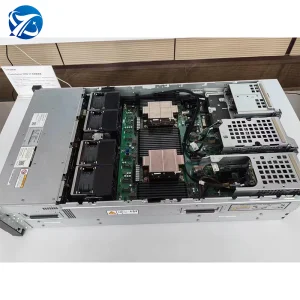
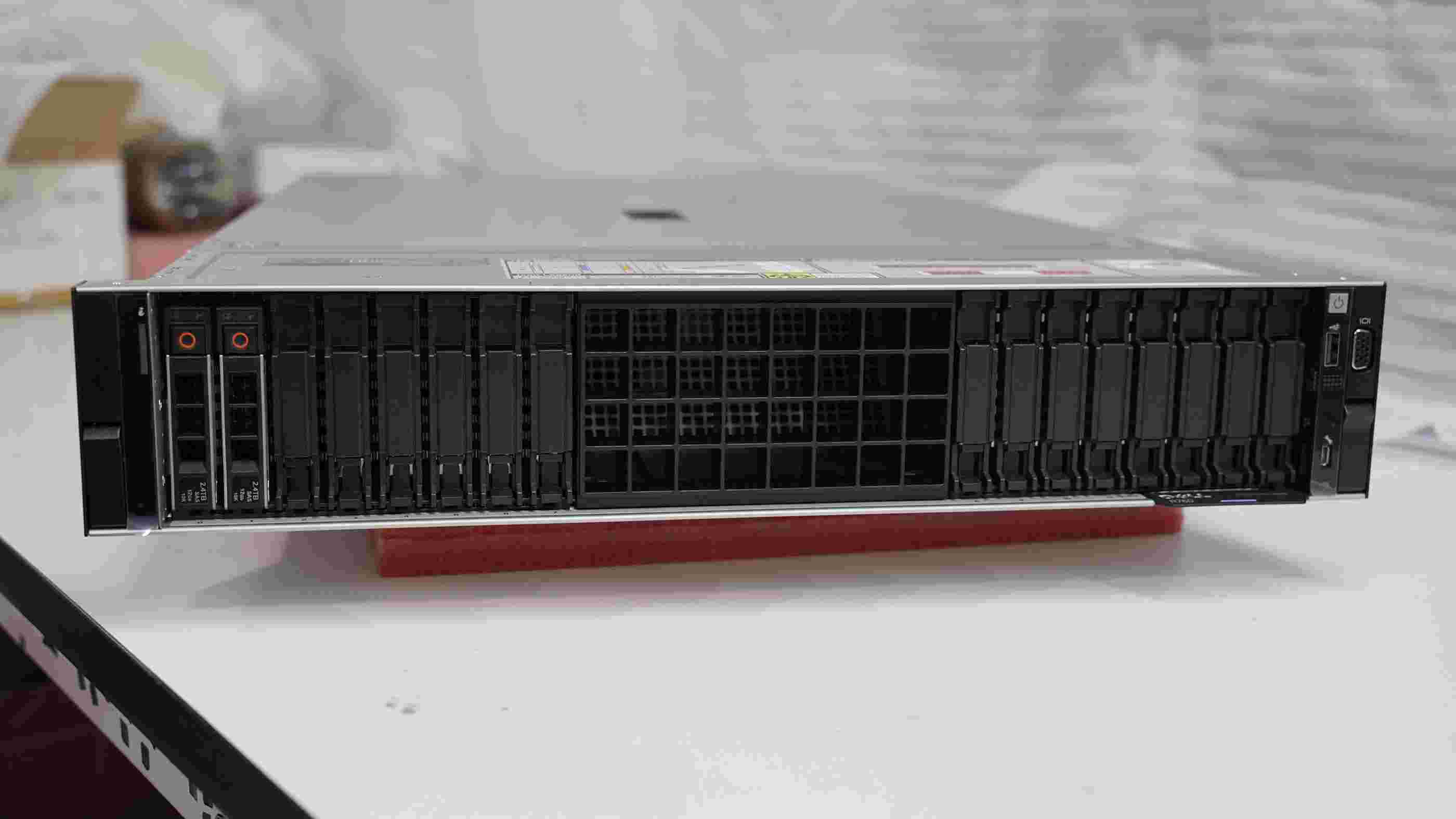
When a customer initiates a transaction, payment gateways have milliseconds to cross-reference past spending behavior, geography, transaction size, and device fingerprint. Processing these variables requires powerful servers, such as the xFusion 2258 V7 GPU servers. These setups execute instant deep learning inferences locally, evaluating risk profiles before finalizing credit authorization to prevent chargebacks.
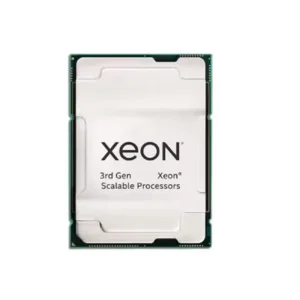
Cross-border transactions involve concurrent currency conversions, regulatory reporting, and communications across different banking networks. This workload relies on powerful multi-socket CPU architectures, including the Xeon 6th Generation platforms, coupled with high-throughput network interfaces (10Gbps to 100Gbps) to avoid packet loss during market surges.
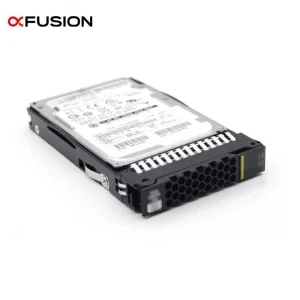
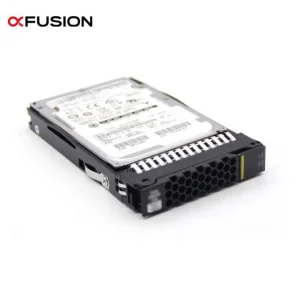
To meet security audits, payment gateways must record structured, encrypted records of all activities. Using durable storage solutions like the S4520 Series enterprise SATA SSDs and robust SAS HDDs allows operators to construct read-intensive logging arrays that maintain data integrity under continuous write cycles.
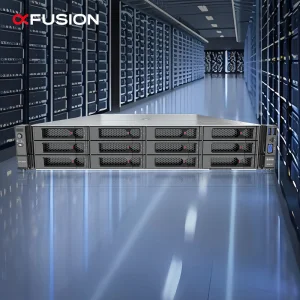
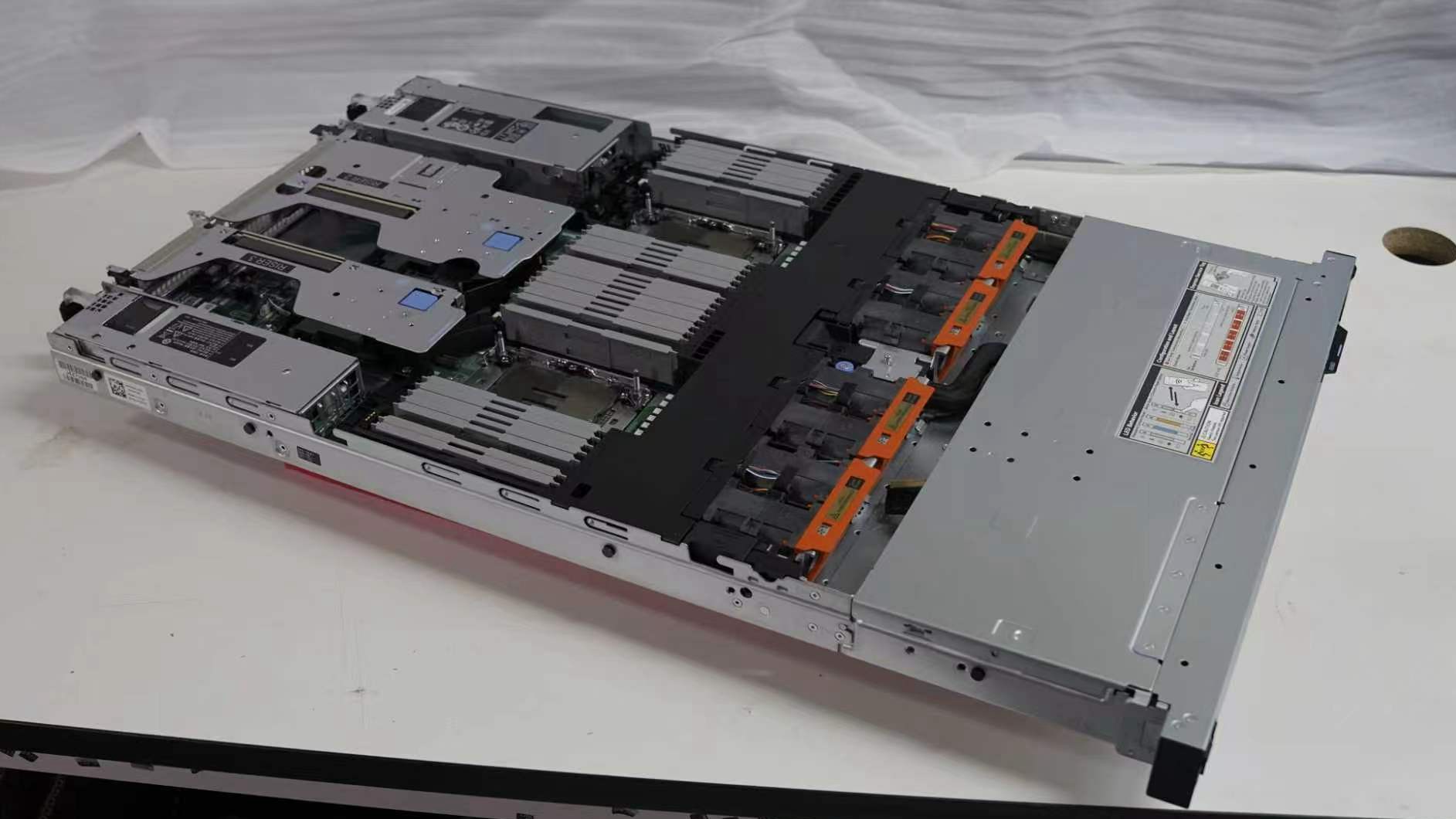
Distributed data localization regulations (such as GDPR in Europe or regional data storage mandates) require payment processing hubs to store citizen data locally. Custom 1U-4U rack-mount solutions allow fintech firms to deploy local processing hardware in regional colocation centers, maintaining sovereign compliance.
Staying ahead of changes in financial transaction infrastructure sourcing.
Modern sourcing policies require servers to feature Root of Trust (RoT) architecture at the silicon level. Hardware-secured secure boot processes prevent firmware modification, protecting transaction servers from deep-level intrusions.
Global financial institutions prioritize environmental metrics. Optimizing system design and cooling configurations ensures high compute-per-watt ratios, helping to reduce operational overhead and carbon footprints.
Fintech platforms require custom rack integration, targeted cooling setups, tailored GPU mounting hardware, and custom-branded physical cases. Neuralinko satisfies these demands with complete, end-to-end design and manufacturing services.
Inside Neuralinko's engineering labs and partner manufacturing lines, ensuring reliable high-compute delivery.
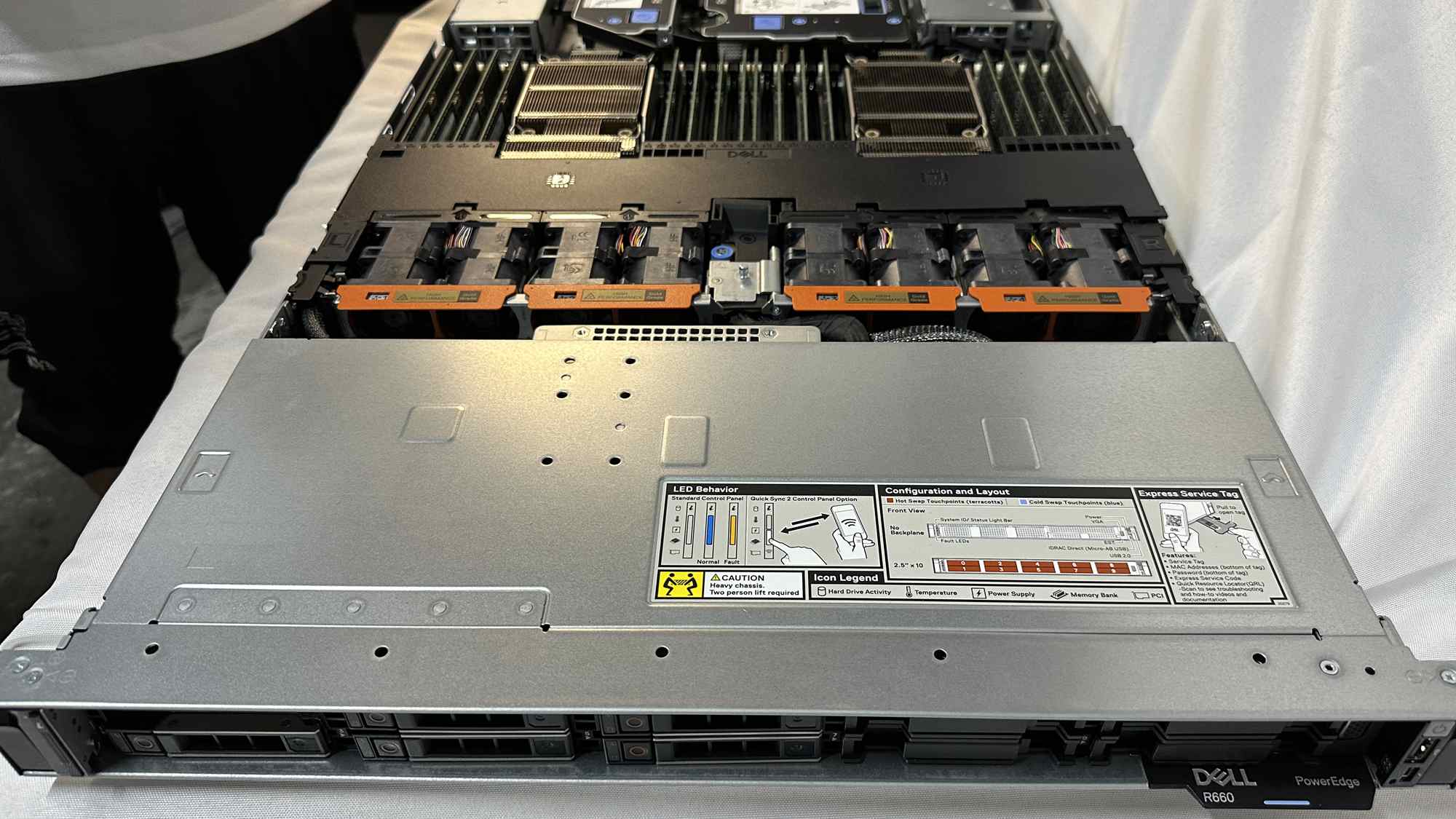
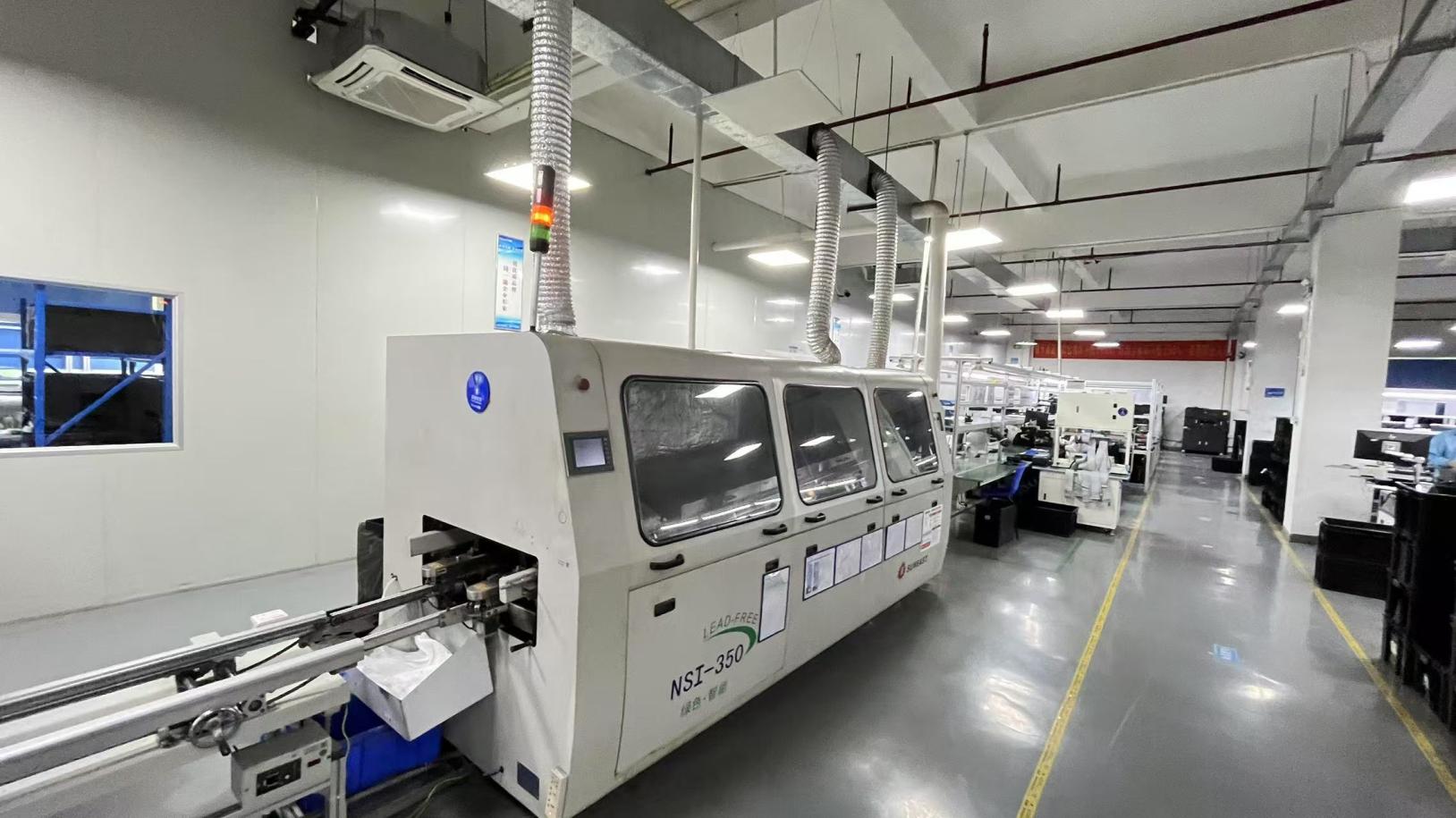
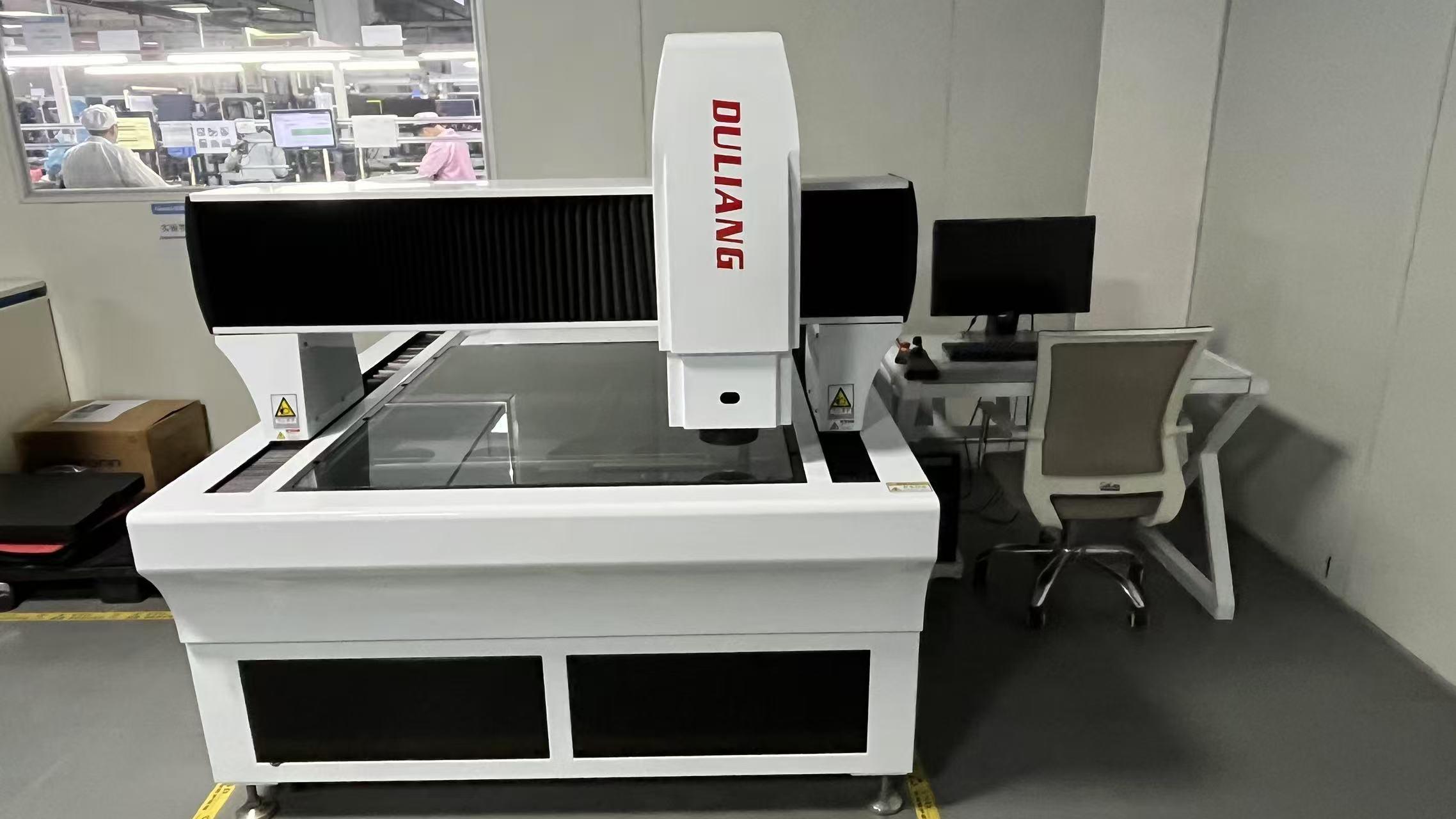
Technical and procurement inquiries addressed by our senior engineering leads.
Designed for transaction databases, security audits, and continuous workloads.