Neuralinko
Neuralinko
Neuralinko
Select models optimized for large language models, DeepSeek deployments, and intensive deep learning workloads.
The global technology landscape is undergoing a monumental transition. The traditional data center, once optimized for standard transactional workloads, database operations, and basic serialization, has shifted toward high-performance parallel computing. As artificial intelligence models mature from simple multi-layered perceptrons to ultra-large scale LLMs (Large Language Models) consisting of hundreds of billions of parameters, the infrastructure supporting them has become the critical determinant of technological advancement.
In 2025, artificial intelligence has ceased to be a mere software experiment. It has evolved into a full-scale industrial pipeline, demanding massive data ingestion, high-speed distributed training, and ultra-low-latency real-time inference. Hardware suppliers now sit at the center of the technological cold war, providing the vital GPU compute clusters, ultra-fast memory interconnects, and highly optimized storage arrays needed to sustain model performance.
Modern neural networks require order-of-magnitude scaling in raw FLOPS to execute deep learning workloads effectively.
The capital expenditure allocated strictly to high-density, multi-socket GPU bare-metal servers worldwide.
Hardware must minimize critical network pathways and enhance memory throughput to serve real-time user intent.
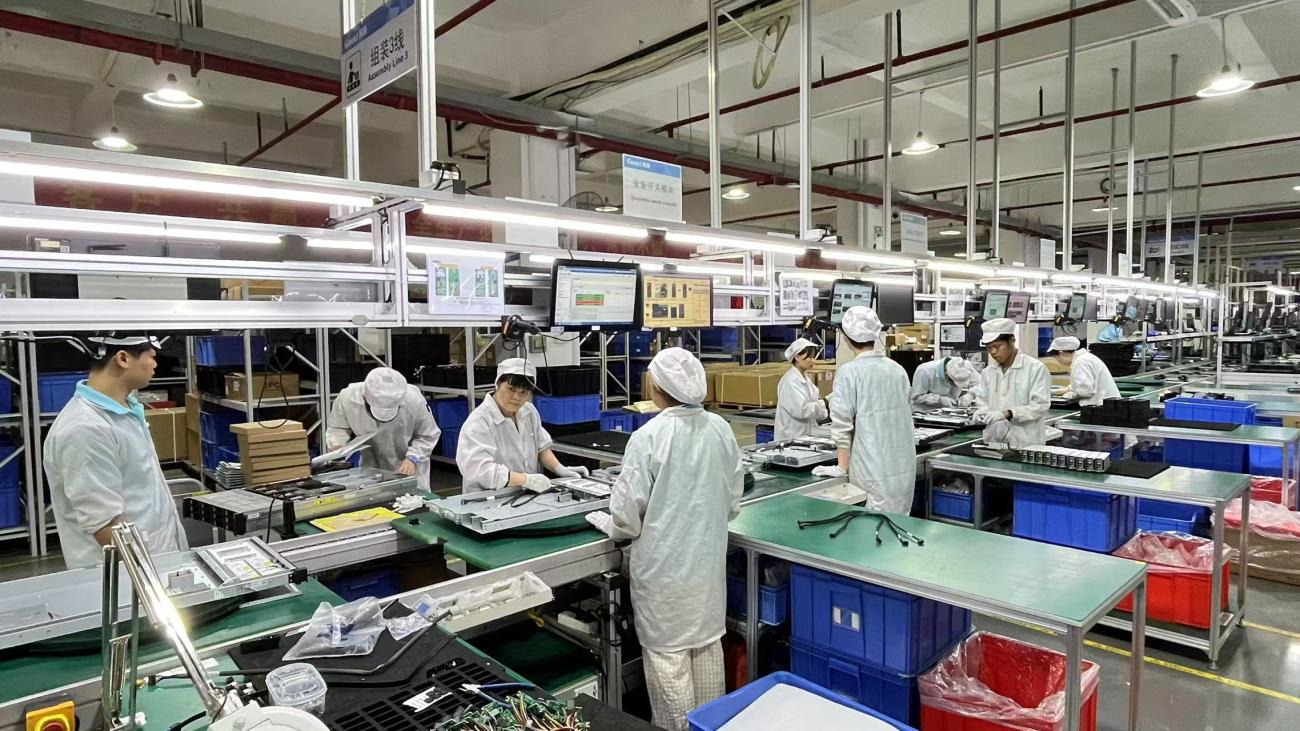
Established in 2018, Neuralinko Intelligent Technology Co., Ltd. has positioned itself as an industry-leading manufacturer of high-performance GPU servers and hyper-scalable AI computing infrastructure. Operating from a highly optimized 386㎡ production and engineering facility, the organization leverages over 8 years of hardware industry experience and 6 years of international export expertise.
Neuralinko specializes in engineered solutions tailored to modern workload patterns, including large-scale distributed machine learning, deep learning, massive language model training (LLMs), localized inference, and high-performance computing (HPC). With a strong distribution network generating an annual export revenue exceeding USD 18 million, Neuralinko serves hyperscalers, research institutes, enterprise data centers, and AI startups across North America, Europe, Southeast Asia, the Middle East, and Australia.
Crucially, the company's innovation is driven by a professional R&D team of 118 engineers. In the previous calendar year alone, this team introduced 126 new system configurations and product adaptations, matching the rapid hardware transition phases dictated by GPU developers.
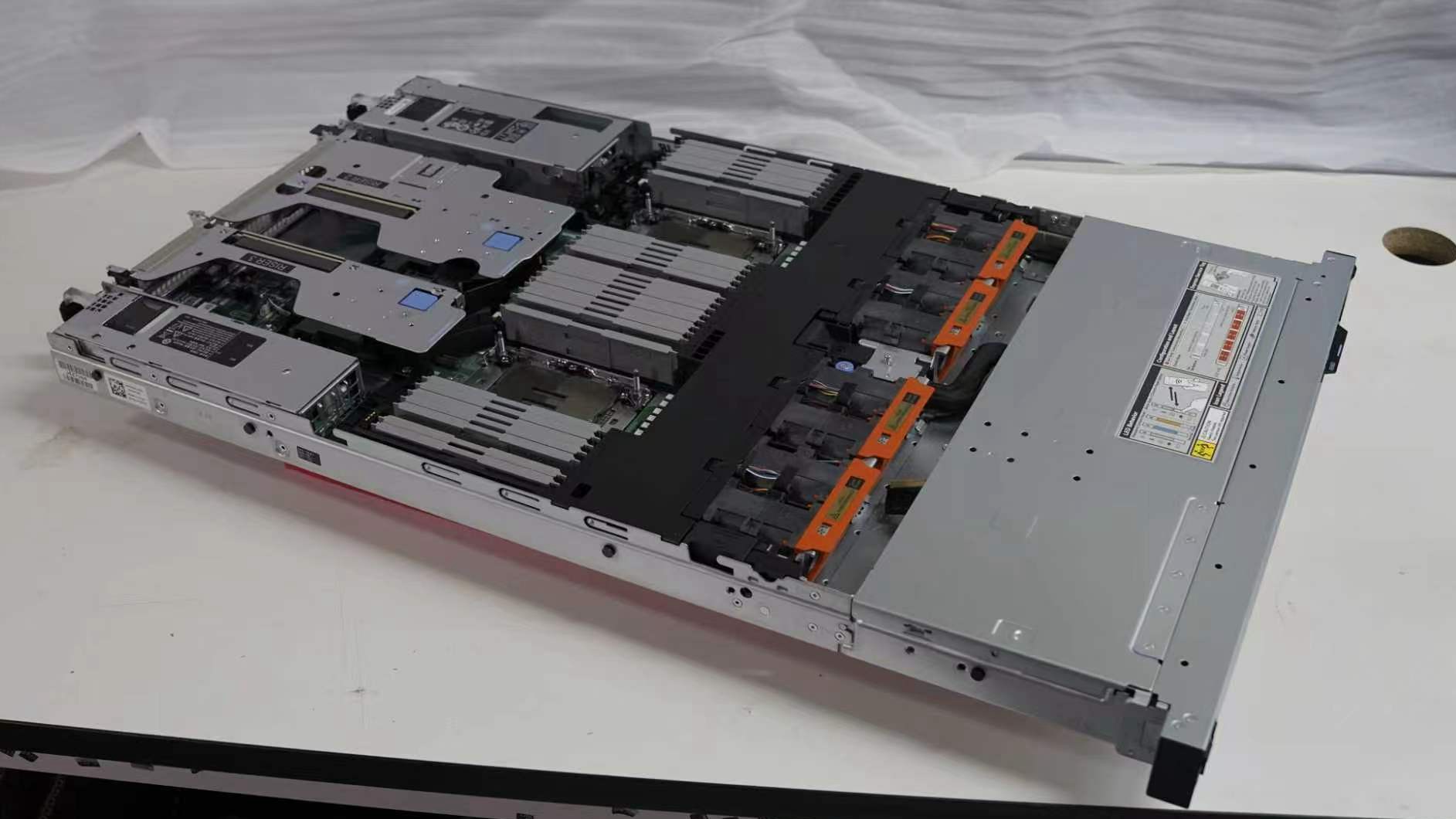
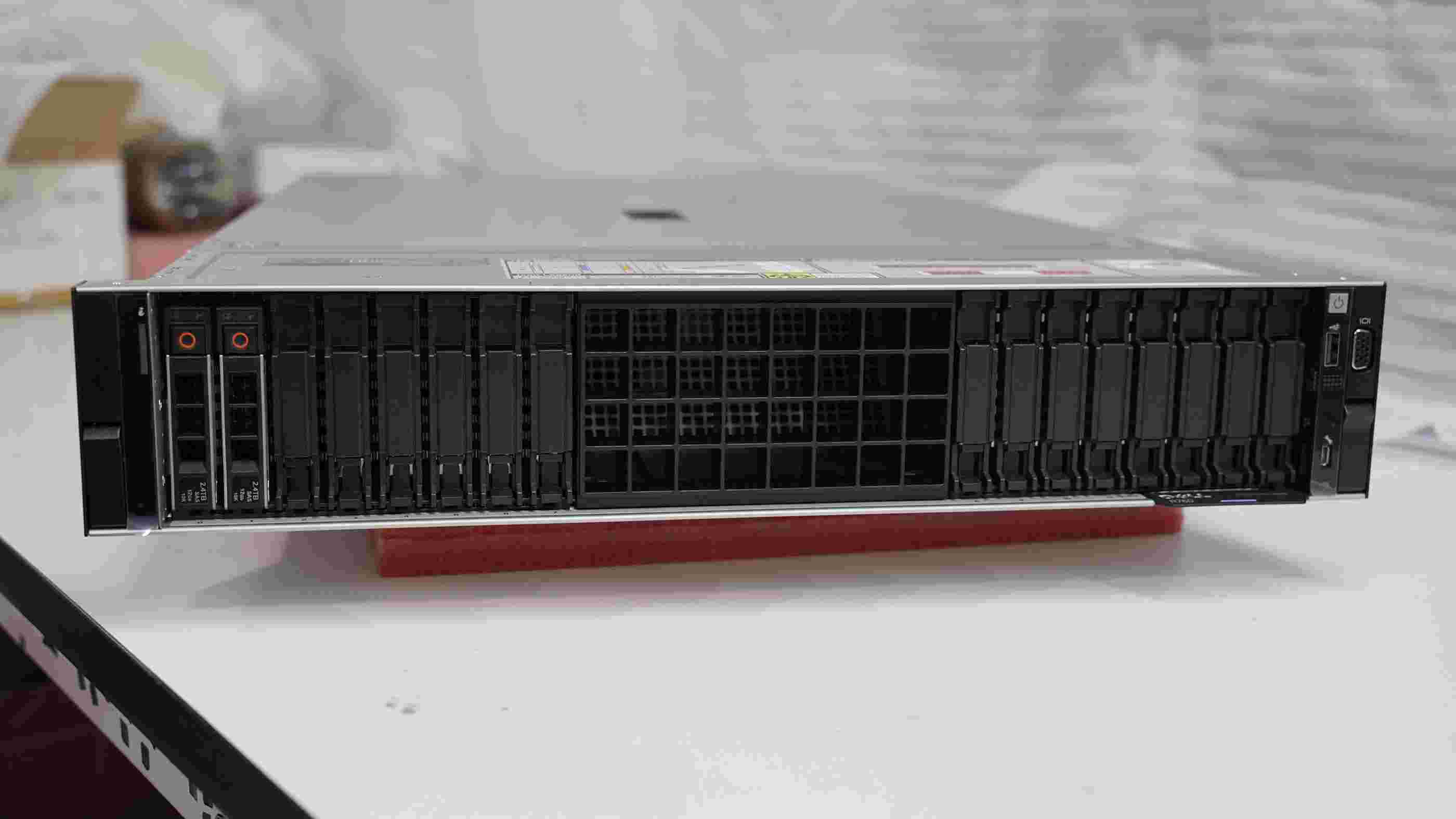
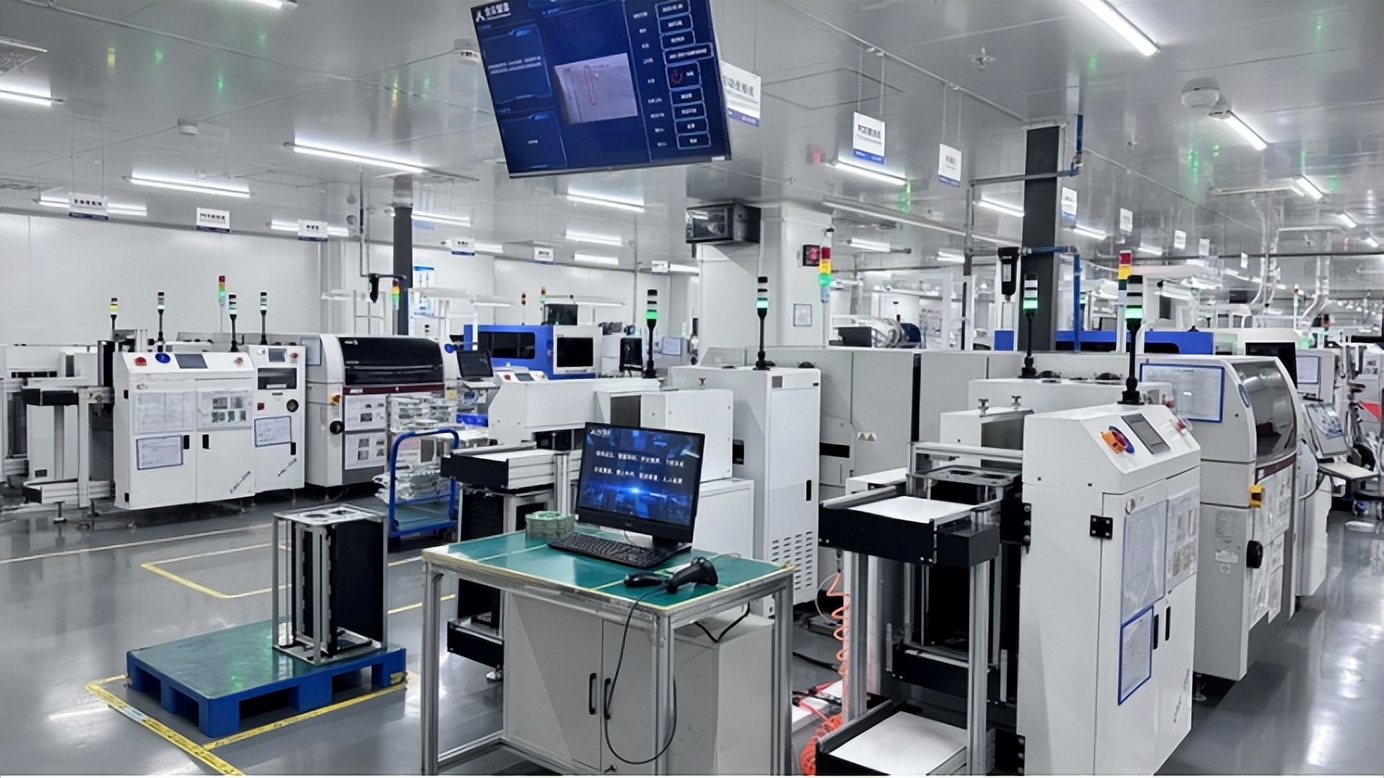
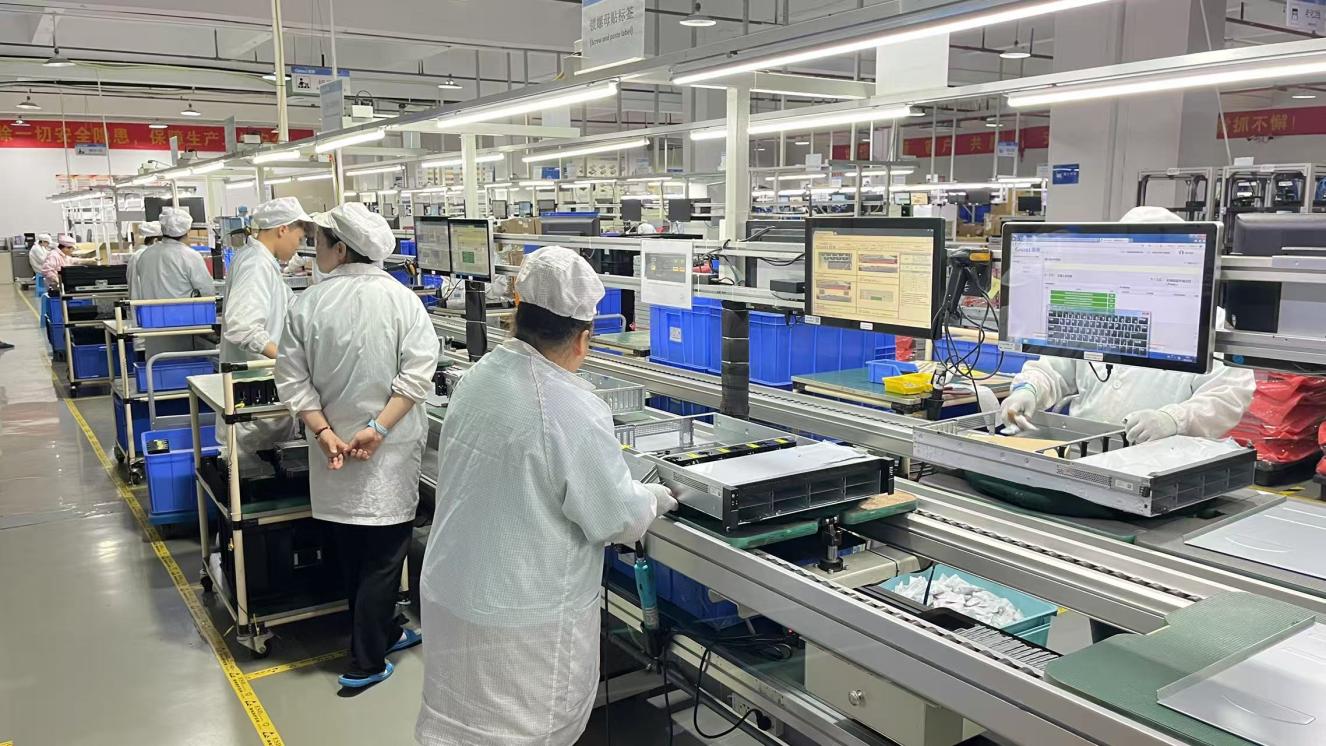
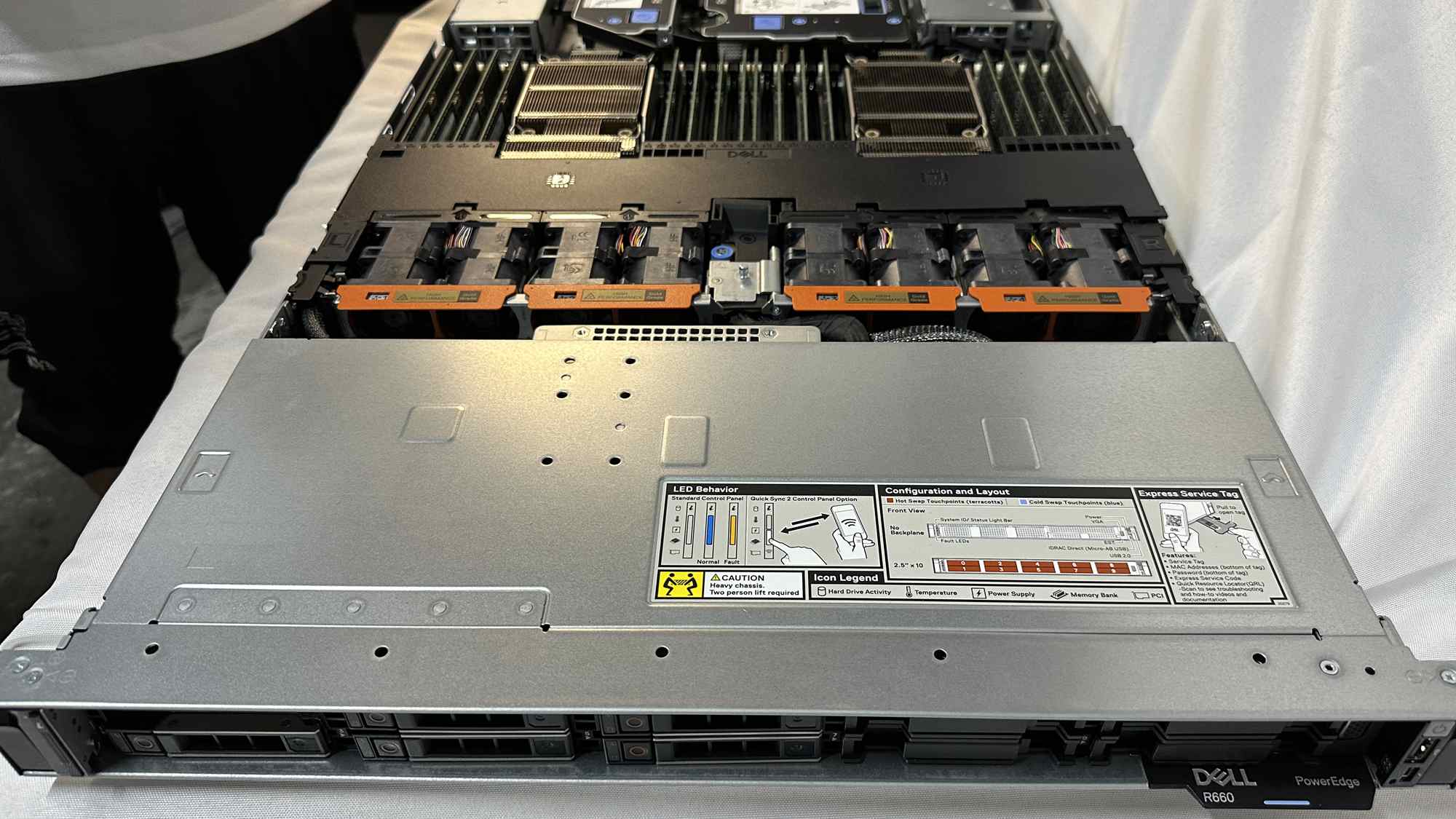
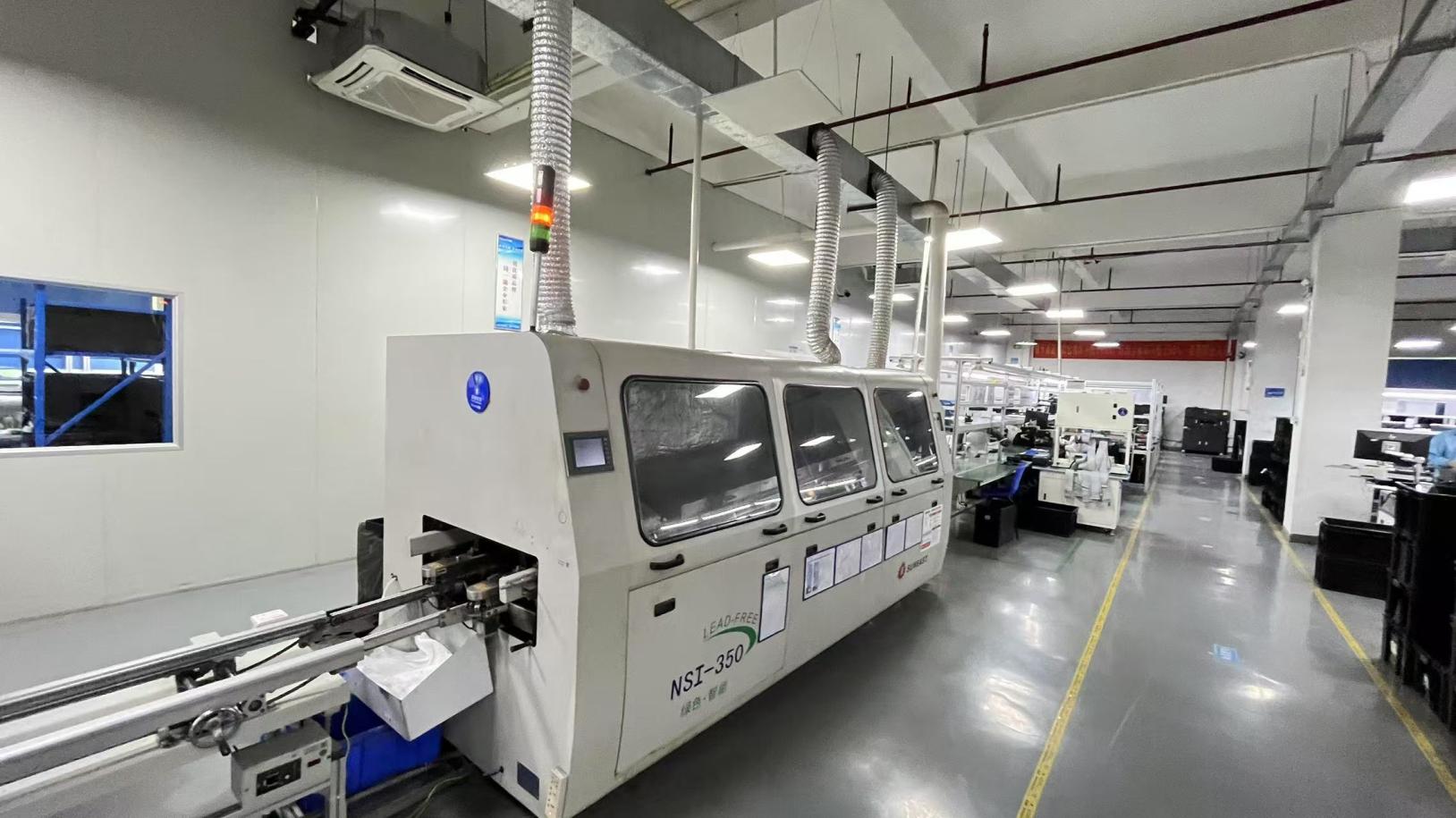
The rapid evolution of artificial intelligence necessitates a parallel evolution in hardware infrastructure. Standard x86 architectural pipelines are increasingly paired with wide-bus interconnects, optical data links, and dedicated accelerators (ASICs, FPGAs, and GPUs) to overcome the "von Neumann bottleneck." Below are the fundamental macro trends reshaping the AI server industry:
Modern AI workloads rely on tight cluster-level execution. Hardware platforms are shifting to unified motherboard structures housing multiple CPU sockets (such as Intel Xeon Scalable or AMD EPYC architectures) linked directly with up to 8 or 16 high-end accelerators. This mitigates inter-node bottlenecking and ensures continuous unified memory mapping.
Bandwidth defines cluster efficiency. The transition from PCIe Gen 4 to PCIe Gen 5 and incoming Gen 6 interfaces allows massive parallel data routes. Combined with high-speed network topologies like InfiniBand (NDR 400G/800G) and Remote Direct Memory Access over Converged Ethernet (RoCE), node-to-node latency is reduced to sub-microsecond levels.
With modern server chassis drawing upwards of 10kW to 20kW per rack, standard air cooling is hitting physical limits. Advanced liquid-to-air cooling loops, direct-to-chip (D2C) liquid circulation blocks, and complete immersion cooling environments are becoming baseline configurations to control thermal dissipation and prevent GPU throttle-back.
Deploying artificial intelligence requires a deep alignment between computational models and physical environments. Leading suppliers design equipment targeting specific workload archetypes:
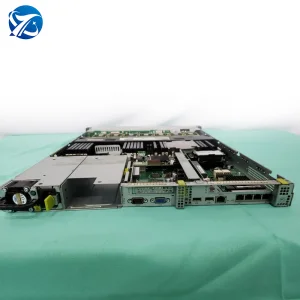
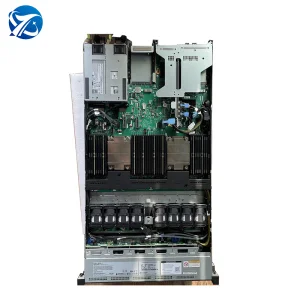
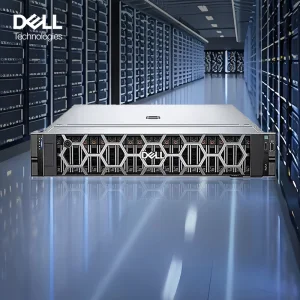
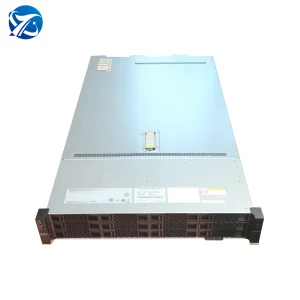
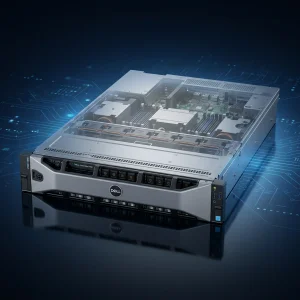
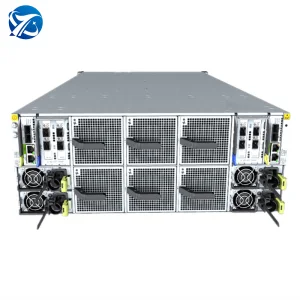
For next-generation models employing Mixture of Experts (MoE) architectures, memory capacity and high-throughput network access are non-negotiable. Highly optimized rackmount platforms hosting dual-socket processors, high-density DDR5 memory arrays, and high-speed NVMe storage drives are standard configurations for localized fine-tuning and distributed inferencing.
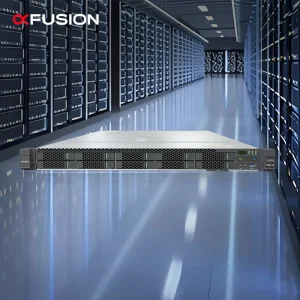
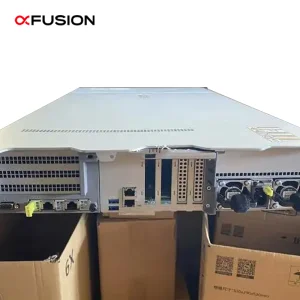
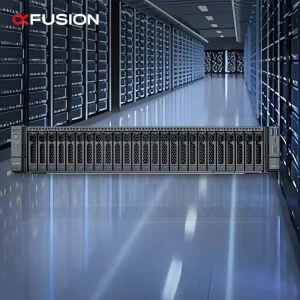
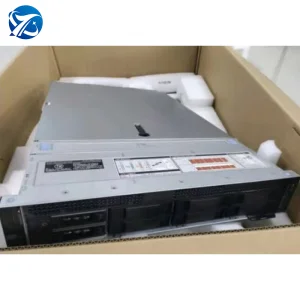
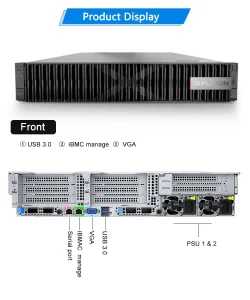
By utilizing high-performance server structures (like the 1288H V6 or xFusion 2288H V7), organizations can host local models securely inside internal corporate boundaries, fulfilling strict data governance and localization compliance regulations.
In localized municipal settings, smart transportation networks, autonomous warehouses, and remote security arrays, computing must occur close to the data generation source. Rugged, short-depth edge servers are deployed to process video streams, run sensor-fusion workloads, and execute computer vision algorithms with minimal latency.
These deployments demand specialized chassis, robust dust mitigation systems, and resilient power supply units (PSUs) capable of withstanding fluctuations while delivering consistent GPU acceleration in demanding non-datacenter environments.
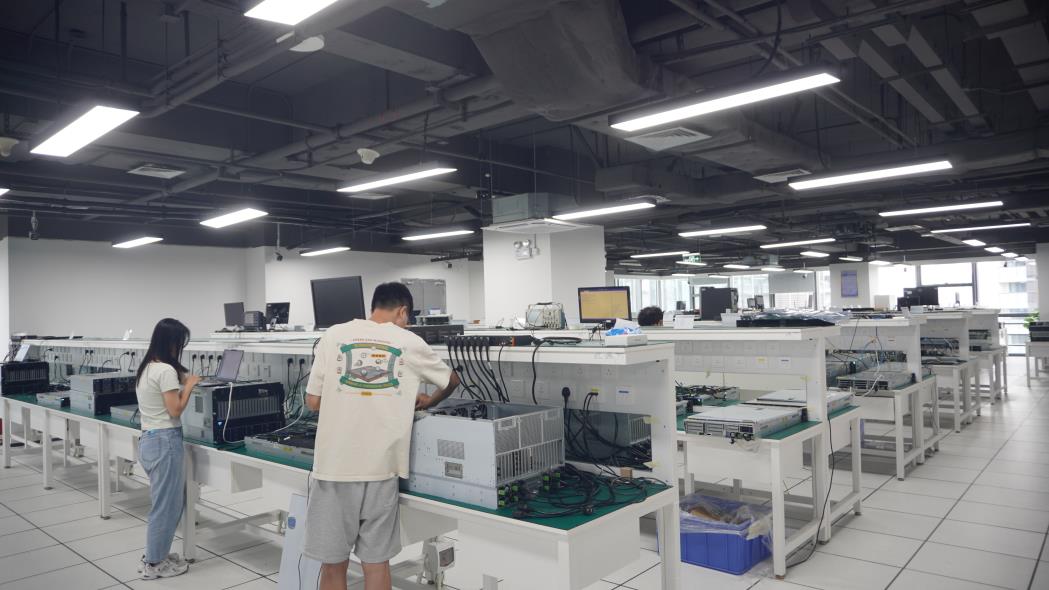
In high-density compute environments, a single sub-system component failure can trigger an interrupt loop that halts a massive training run, causing substantial financial loss. Leading AI server manufacturers mitigate this risk through meticulous Quality Assurance (QA) and Quality Control (QC) frameworks.
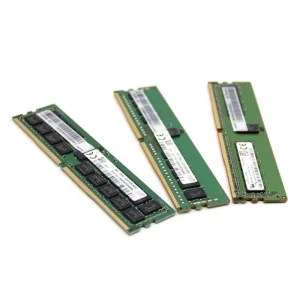
Every CPU, memory chip (RDIMM), storage drive (SSD/HDD), PCIe switch, and power adapter is validated upon receipt. Component-level testing ensures compatibility with specific backplanes and system architectures.
Assembled GPU nodes undergo dynamic heat chambers and power-load testing for 72+ continuous hours. Running deep learning training algorithms at maximum stress exposes latent semiconductor imperfections prior to crating.
Validating high-speed lanes (PCIe Gen 5, NVLink, and system busses) ensures low error rates during high-throughput operations. Oscilloscopes and traffic analyzers verify that network links perform within tight performance specifications.
Selecting the correct hardware stack requires understanding the interaction between deep learning networks, memory limits, and localized electrical requirements.
Enterprise components, memory systems, and localized server nodes optimized for hardware scaling.