Neuralinko
Neuralinko
Neuralinko
Engineered to power extreme load distribution, application scaling, and hyperconverged AI computation systems.
Modern enterprise networks have outgrown traditional virtualized routing platforms. The explosive demand generated by deep learning inference, Large Language Models (LLMs), hybrid cloud federations, and database sharding requires a dedicated layer of Application Delivery Controllers (ADCs). These systems must execute multi-gigabit traffic balancing, SSL/TLS decryption offloading, and TCP session multiplexing directly on physical hardware interfaces.
As a leading hardware orchestrator, Neuralinko Intelligent Technology Co., Ltd. has established a state-of-the-art framework for custom hardware design. We merge high-performance GPU and CPU compute with programmable network interfaces, allowing global enterprises to purchase specialized network load balancers configured specifically to prevent network starvation. By partnering directly with tier-1 silicon providers and maintaining over 1,200 supply chain partnerships, we deliver tailored Load Balancers and AI cluster systems that optimize modern network pathways.
Offload Layer 4 state tracking and network address translation (NAT) to programmable SmartNICs or DPUs (Data Processing Units) to ensure sub-millisecond latencies under massive concurrent connections.
Equipped with cryptographic accelerator cards that handle intensive asymmetric key handshakes (RSA/ECC) without depleting the main host CPU resources meant for server applications.
Tailored algorithms including Weighted Least Connections, IP Hash, and URI-based Layer 7 routing to perfectly manage requests inside massive computing topologies.
Backed by specialized labs, rigorous quality verification, and scalable manufacturing facilities operating out of key manufacturing zones.
Established in 2018, Neuralinko specializes in AI server architectures, high-performance network load balancing systems, and enterprise data center hardware. Operating from our modern production facility, we engineer, test, and ship network infrastructure to key regions including North America, Europe, Southeast Asia, the Middle East, and Australia.
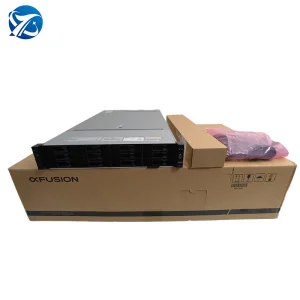
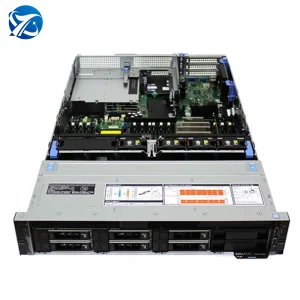
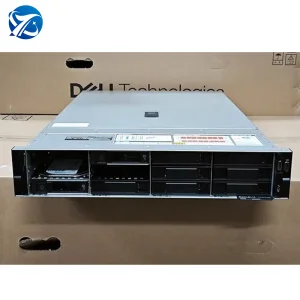
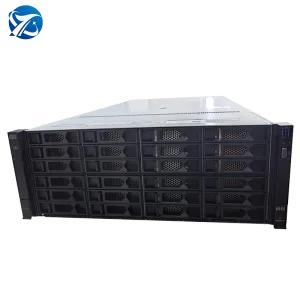
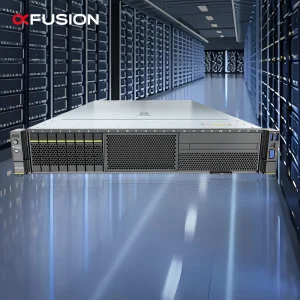
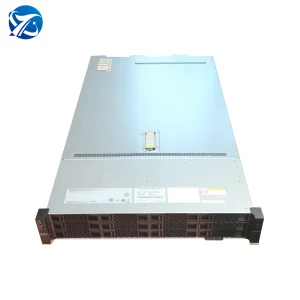
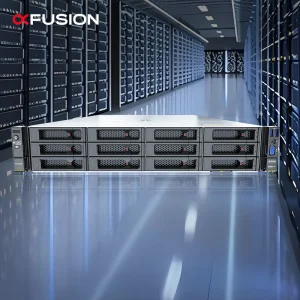
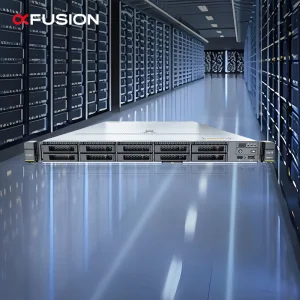
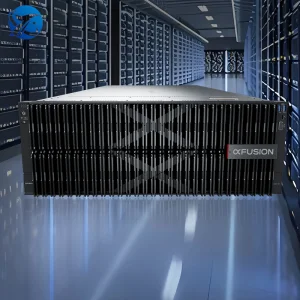
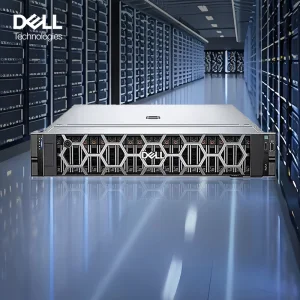
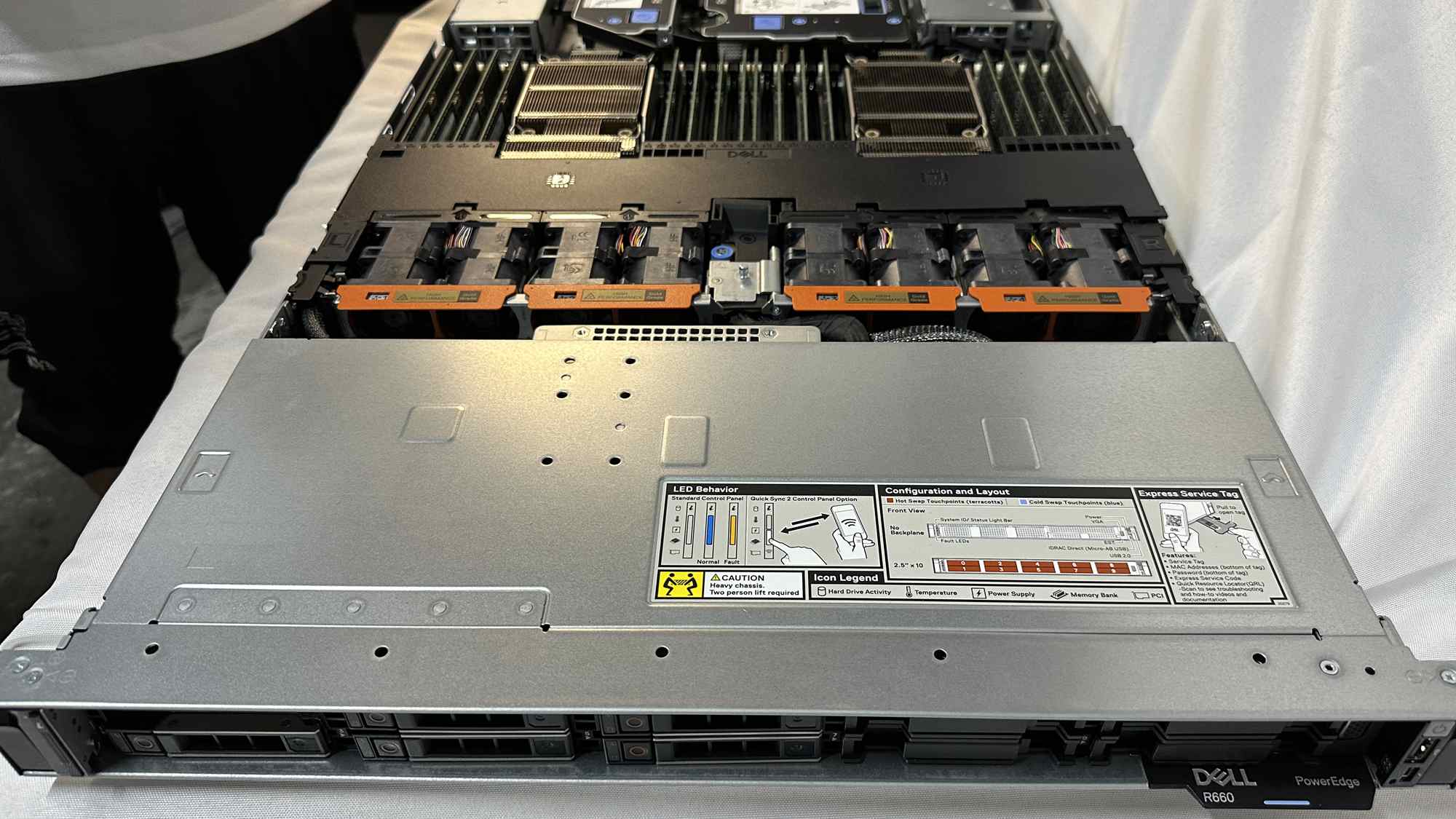
Our hardware load balancer OEM divisions utilize extensive PCB design templates, rugged chassis models (1U to 4U form factors), and advanced ASIC programmability to craft dedicated hardware platforms. This system level optimization ensures peak network throughput while operating alongside major infrastructure components like xFusion FusionServer systems and Dell PowerEdge platforms.
Leveraging the world’s most integrated electronics production ecosystems to provide high-reliability networking hardware at scale.
Immediate geographic proximity to leading semiconductor foundries, high-grade multi-layer PCB producers, and high-performance power supply unit (PSU) factories minimizes transit delays and keeps raw material costs down.
With thousands of precision engineering partners, customized chassis iterations, internal motherboard modifications, and custom backplane designs can transition from CAD models to active hardware prototypes in weeks rather than months.
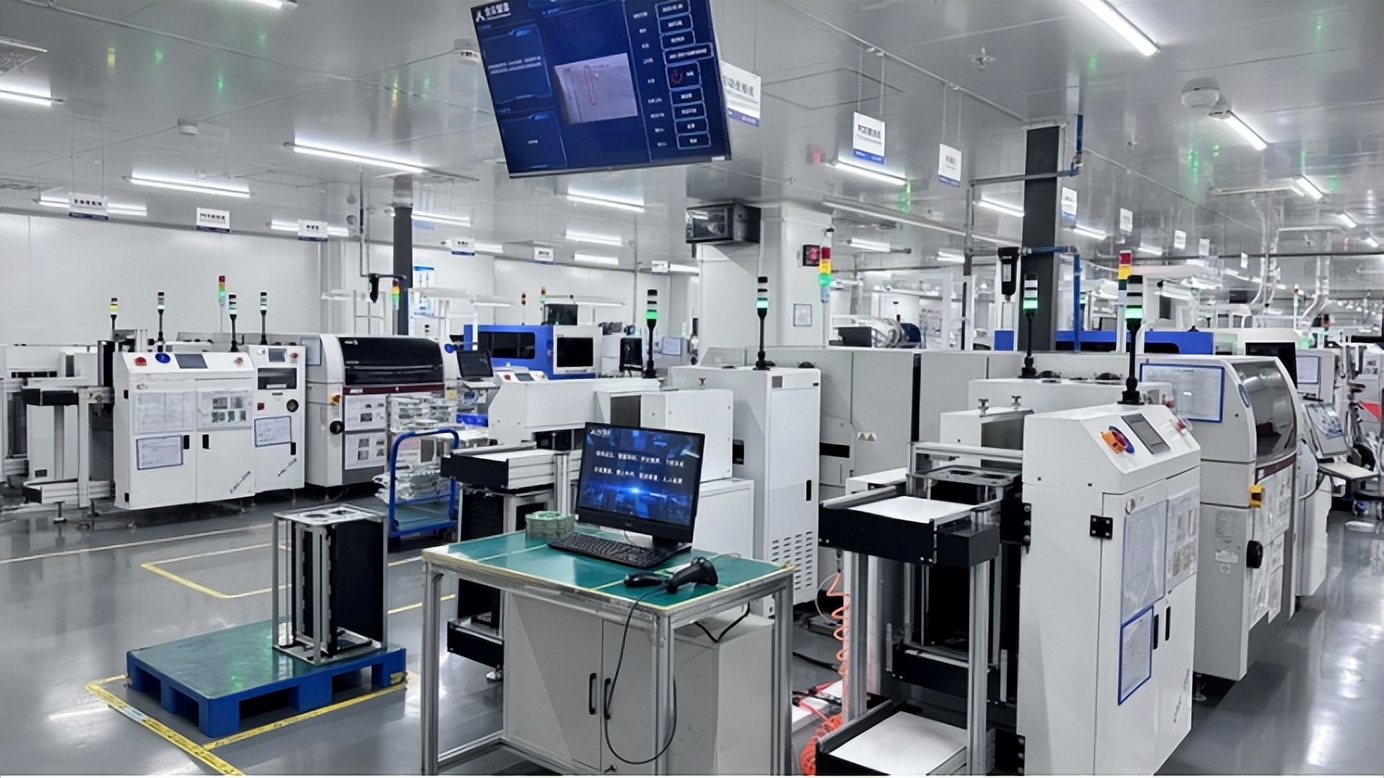
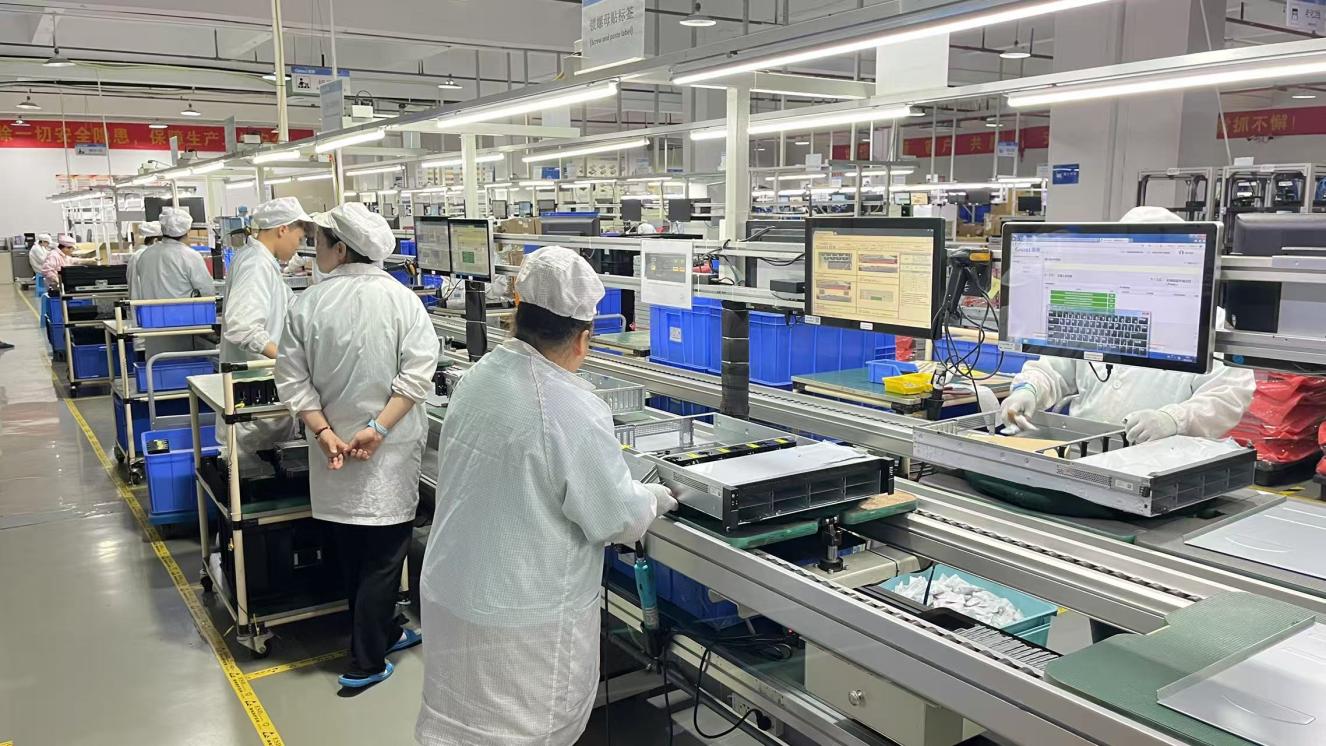
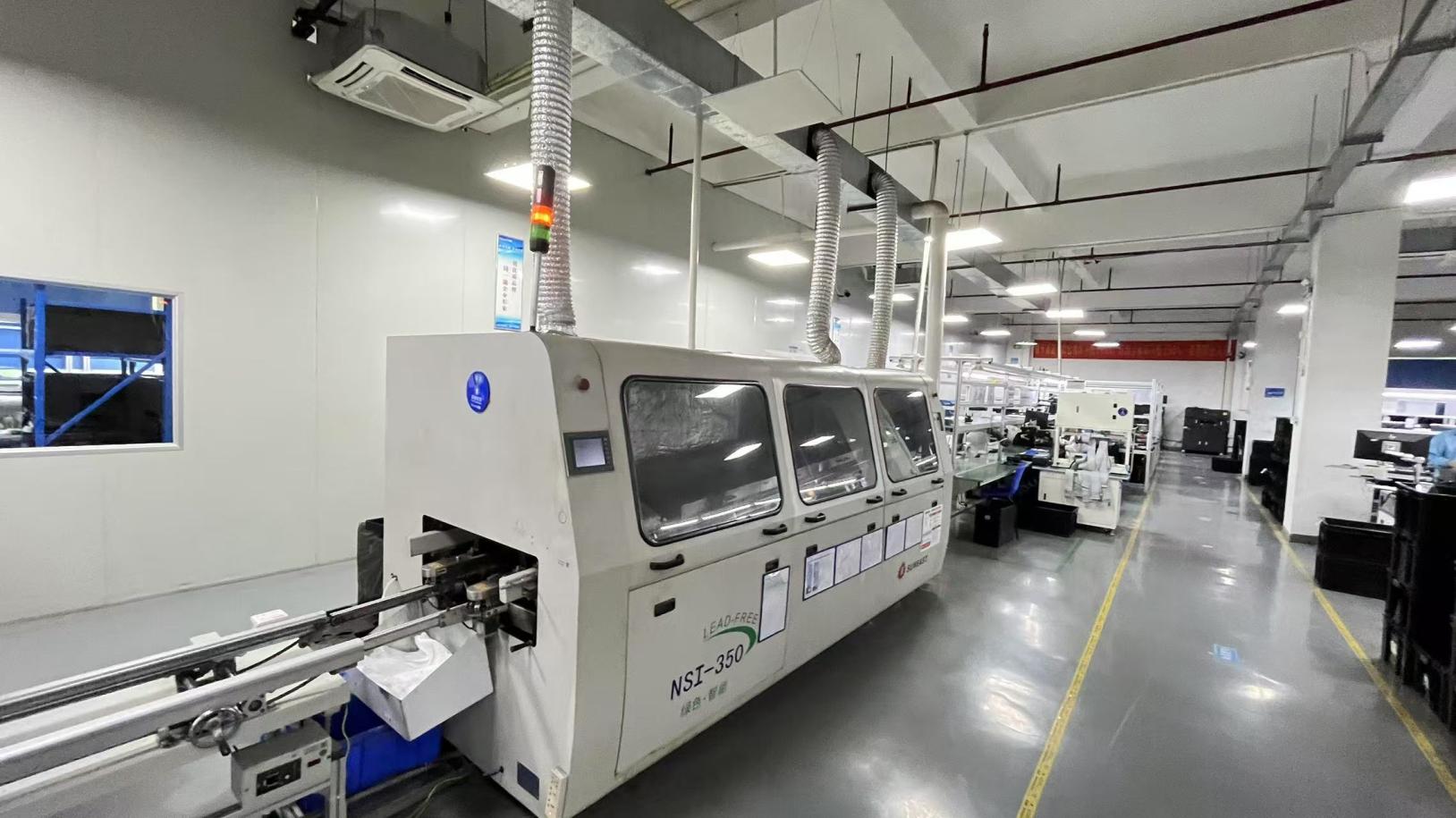
Leveraging highly mature electronics assembly, automatic surface-mount technology (SMT) lines, and computerized network hardware testing. This provides global buyers with enterprise-grade MTBF rates at optimized production costs.
Dedicated packaging, front bezel customizations, customized color schemes, customized firmware splash screens, and integrated IPMI monitoring tools are built directly into the assembly line to provide a ready-to-sell corporate identity.
How custom load balancers and optimized computing topologies solve core network problems across multiple verticals.
Deep learning workflows involving DeepSeek or custom LLM frameworks require high-volume data streams split among hundreds of GPU nodes.
Modern hyperconverged infrastructures and high-capacity network storage networks need balanced access to prevent file access bottlenecks.
Enterprise clusters require rock-solid operations to support transactional databases and resource planning systems.
Key physical, electric, and functional parameters to consider when ordering custom OEM network systems.
When selecting a custom hardware manufacturer, tech procurement officers must evaluate parameters beyond bare pricing structures. Enterprise environments require absolute stability, which translates directly to quality standards on components such as multi-phase voltage regulator modules (VRMs), high-efficiency power supplies with 80 Plus Platinum certification, and redundant active cooling modules.
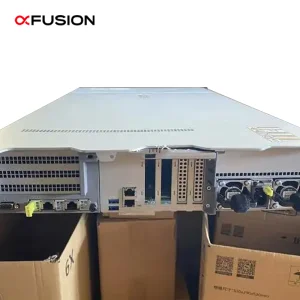
Our custom OEM/ODM process allows system architects to define the precise configuration of physical interfaces, ranging from standard 1GbE RJ45 ports for out-of-band control to high-density 100GbE QSFP28 cages for line-rate data processing. This customization ensures that your hardware appliances sit seamlessly in front of high-performance servers like the Dell PowerEdge R760 or xFusion FusionServer models, optimizing network pipelines without introducing routing constraints.
| Parameter | Standard Capabilities |
|---|---|
| Chassis Design | 1U, 2U, 4U Standard 19" Rackmount Options |
| Throughput Capacity | 10 Gbps to 400 Gbps Line-Rate Performance |
| ASIC Acceleration | Integrated SmartNICs / DPU offloading options |
| Power Redundancy | Hot-swappable 1+1 Redundant 80-Plus Platinum PSUs |
| Management Interfaces | IPMI 2.0, Redfish API, Web GUI, CLI Console |
Key architectural updates shaping the application delivery and high-capacity network orchestration landscape.
Integrating extended Berkeley Packet Filters (eBPF) into customized operating systems allows the hardware load balancer to route network packets directly in the kernel space, bypassing traditional driver overheads and cutting processing latency by half.
Future configurations are integrating physical Root of Trust (RoT) microchips directly onto the motherboard, assuring secure boot cycles, cryptographic key isolation, and hardware-validated operational software.
As high-density AI clusters push power budgets past 50kW per rack, network load balancers are shifting from air cooling to liquid-to-air cooling options to fit inside modern green datacenters.
Critical answers for system architects, network planners, and enterprise procurement managers.
Our hardware platforms scale to support from 10 Gbps up to 400 Gbps of bidirectional packet processing. Depending on customer requirements, L4 throughput can run at line rate utilizing DPDK (Data Plane Development Kit) acceleration, while L7 performance is supported by multi-core CPU architectures optimized to process heavy HTTP/HTTPS payloads, cookie insertion, and header manipulation.
Yes, our R&D engineering team provides FPGA configuration and SmartNIC programming (using P4 or C languages) to offload custom load balancing logic. This is highly beneficial for high-frequency trading networks or high-throughput AI pipelines where microsecond latencies are required.
Every custom unit undergoes a structured four-stage testing process: component validation, automated optical inspection of the boards, thermal chamber stress tests running under full load for 24-72 hours, and simulation of high-density traffic using specialized network testing platforms to ensure zero packet drop rates.
Yes, we provide full structural design services (ODM/OEM) including custom sheet-metal designs, silkscreen and laser-etched branding, colored faceplates, custom-molded ears, and specific ventilation paths optimized to match your corporate server cabinets.
All our shipped units can be certified with CE, FCC, RoHS, and UL approvals depending on the destination market requirements. We work closely with leading compliance houses to ensure that custom components meet international safety and electromagnetic standards.
A visual tour through our engineering workshops, testing laboratories, and high-performance server production spaces.
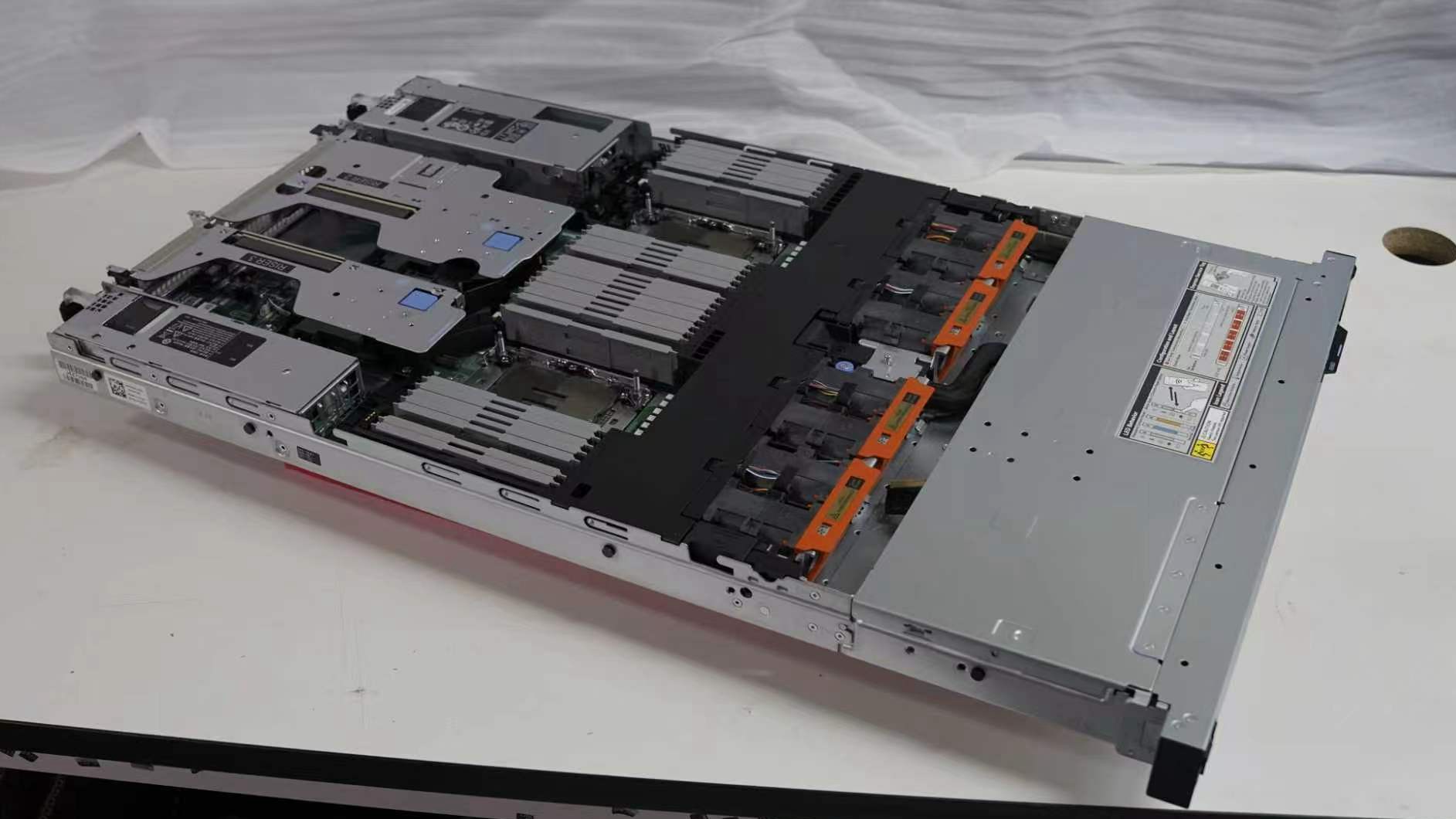
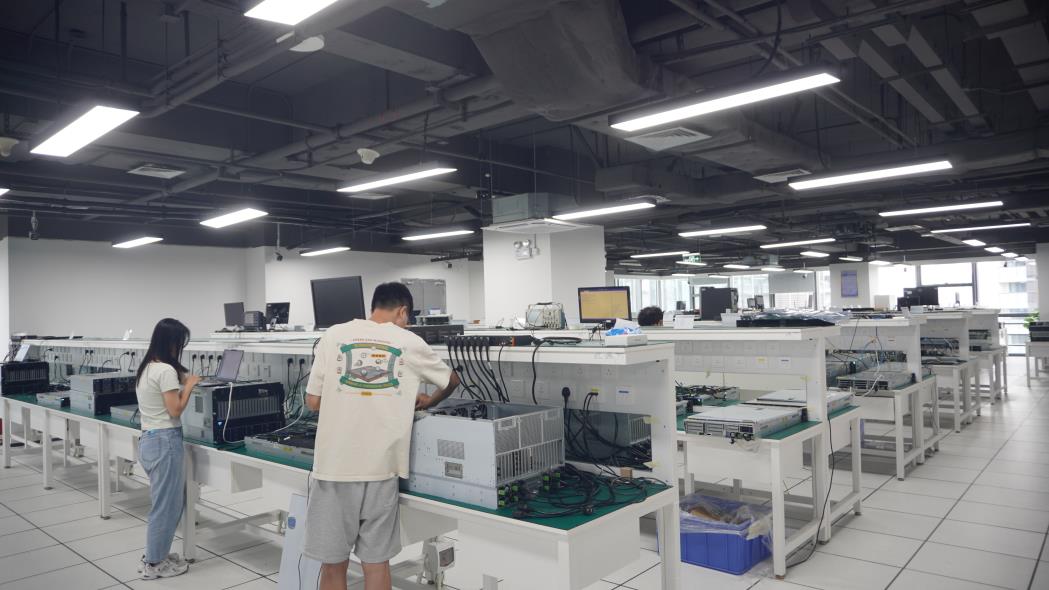
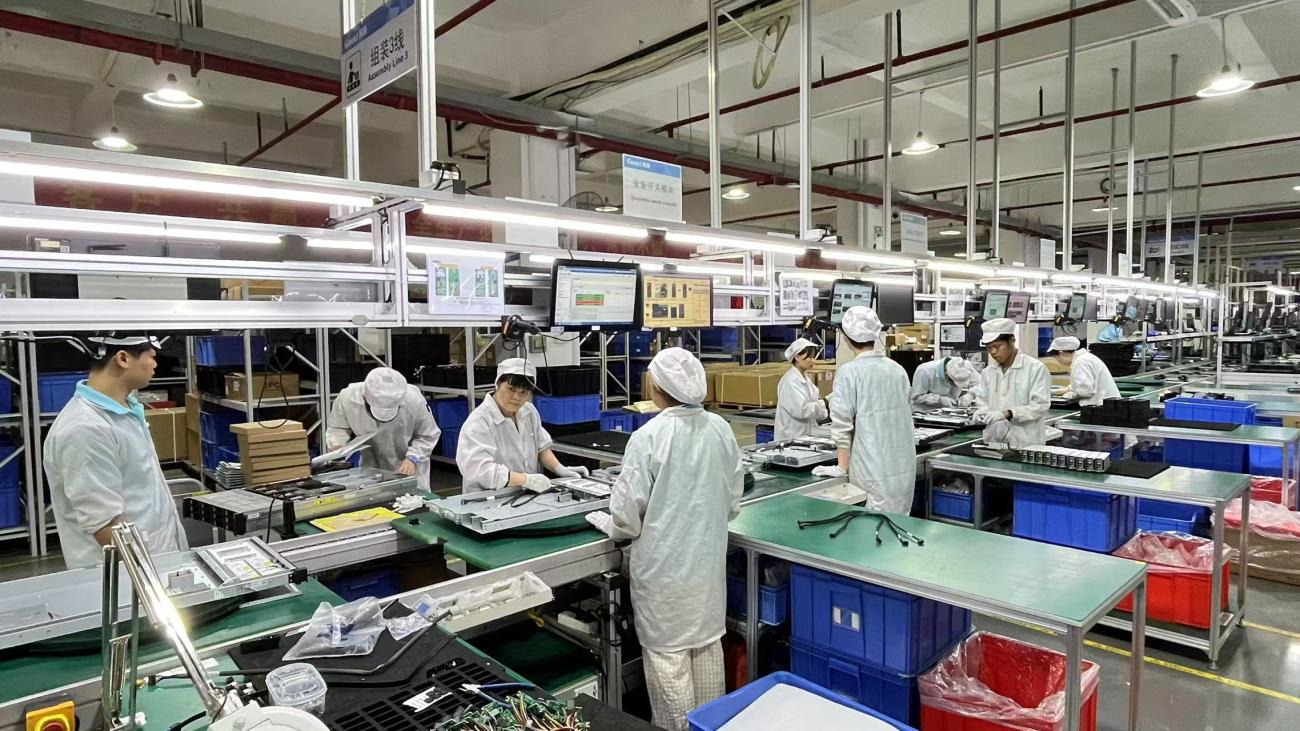
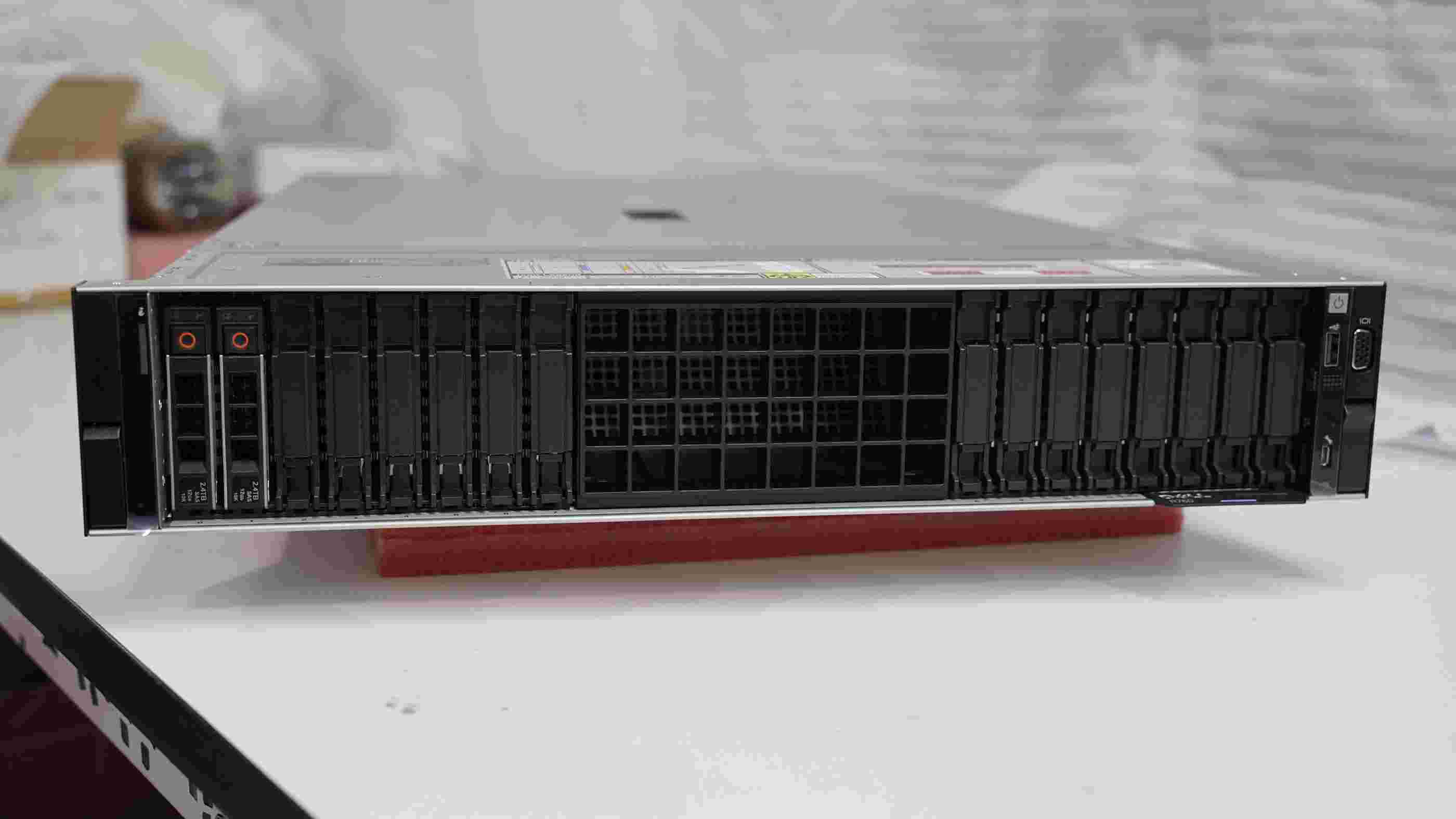
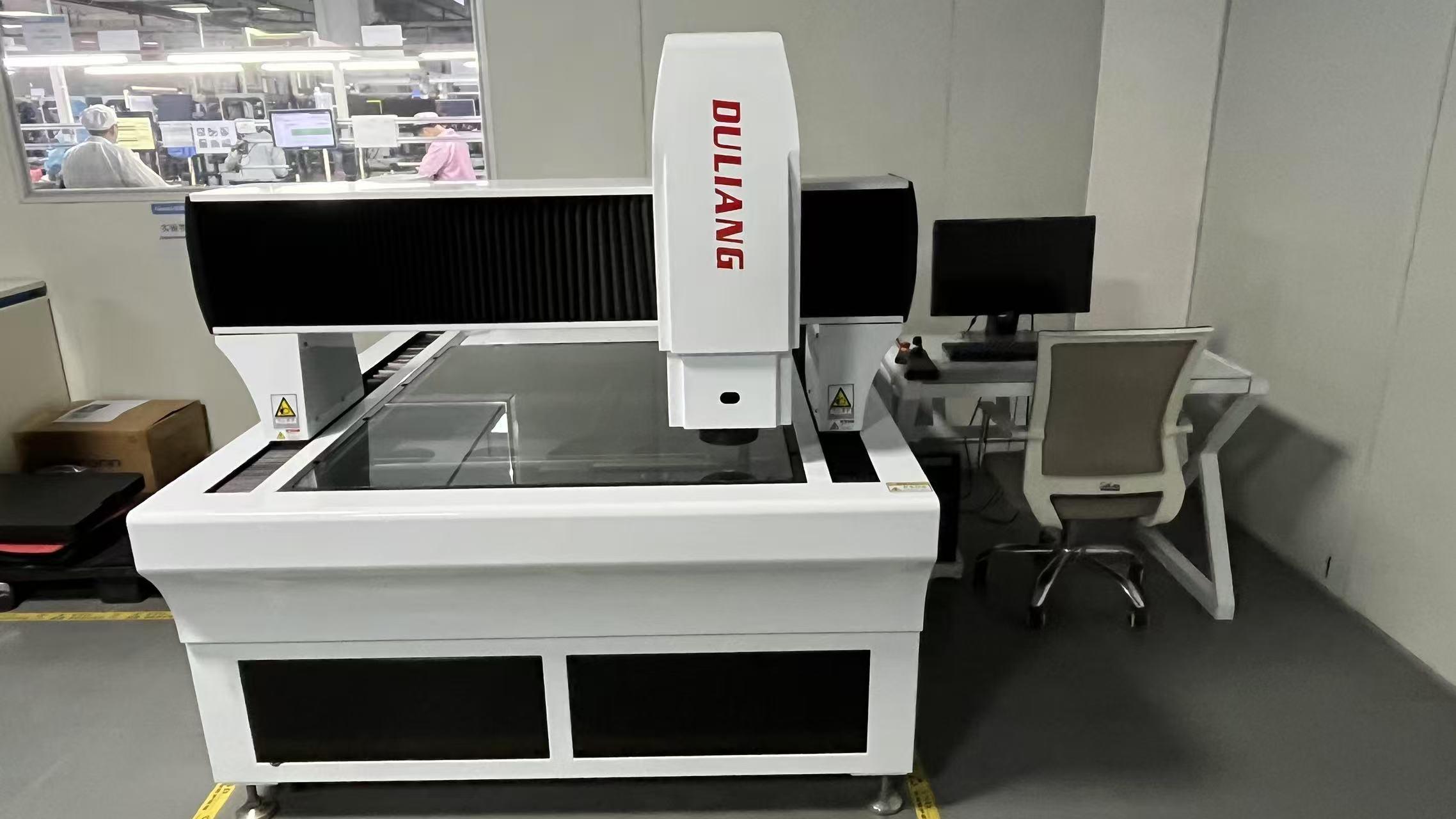
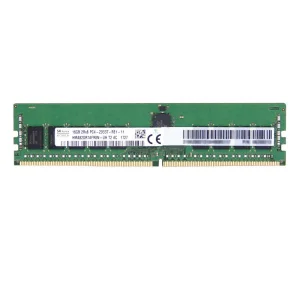
Reliable component selections designed to balance write throughput, computing demands, and global cloud requirements.