Neuralinko
Neuralinko
Neuralinko
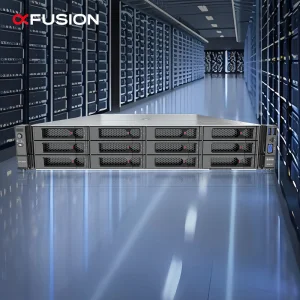
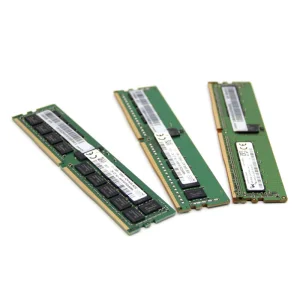
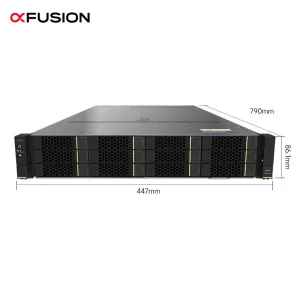
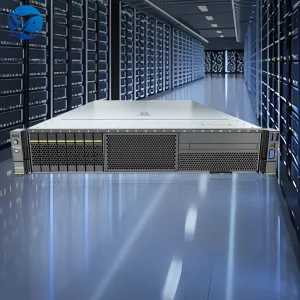
In the rapidly changing landscape of artificial intelligence, high-performance computing (HPC), and hyper-converged cloud systems, storage performance remains the primary limiting factor for overall system output. Neuralinko Intelligent Technology Co., Ltd. stands as a premier global partner, specialized in the engineering, design, and manufacturing of custom data center infrastructure, advanced enterprise GPU servers, and tailor-made storage solutions. Founded in 2018, we operate with a steadfast focus on addressing the complex data challenges of modern enterprise applications.
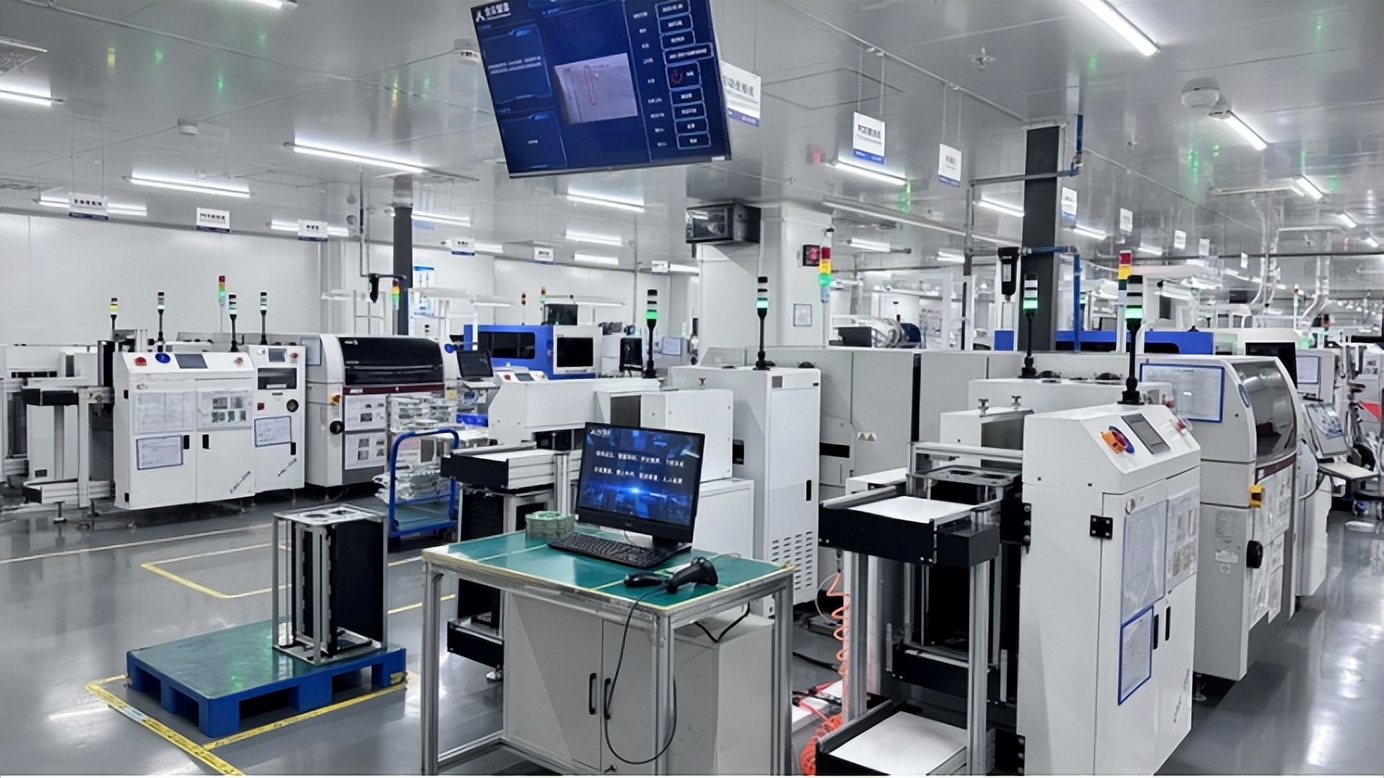
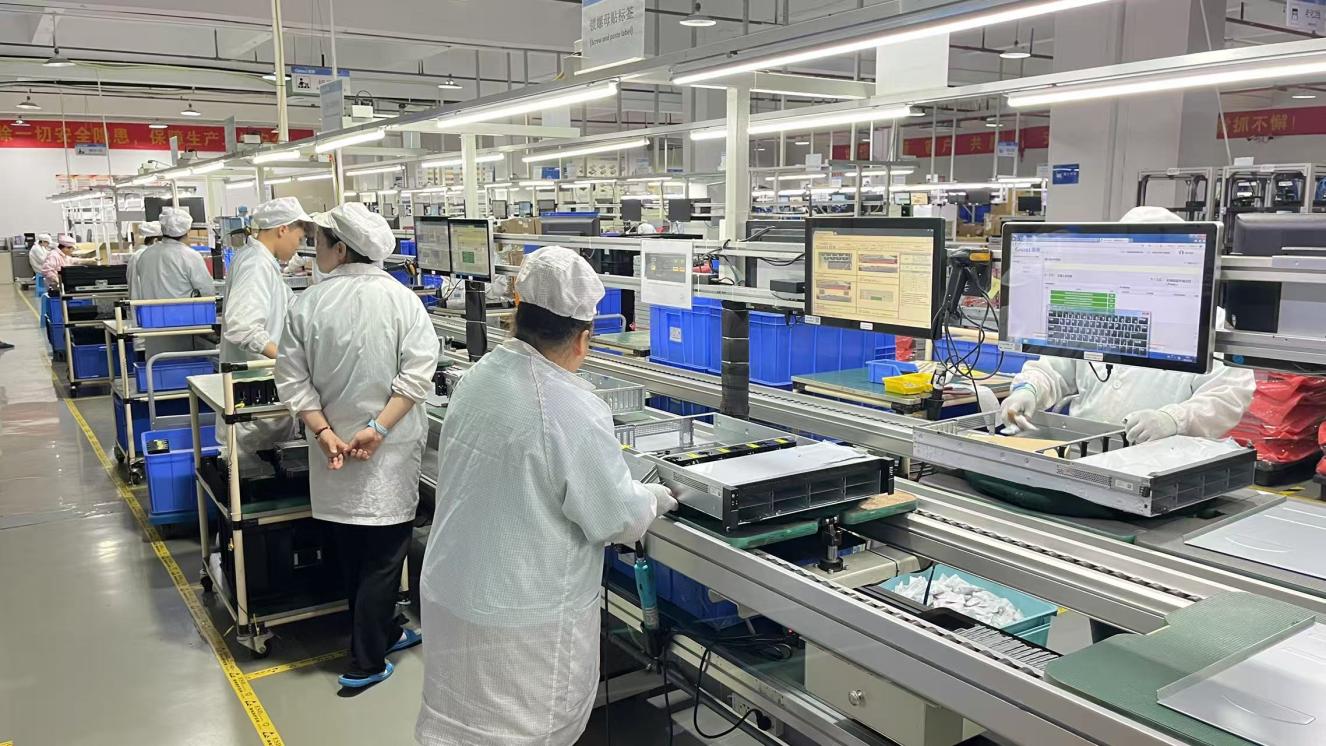
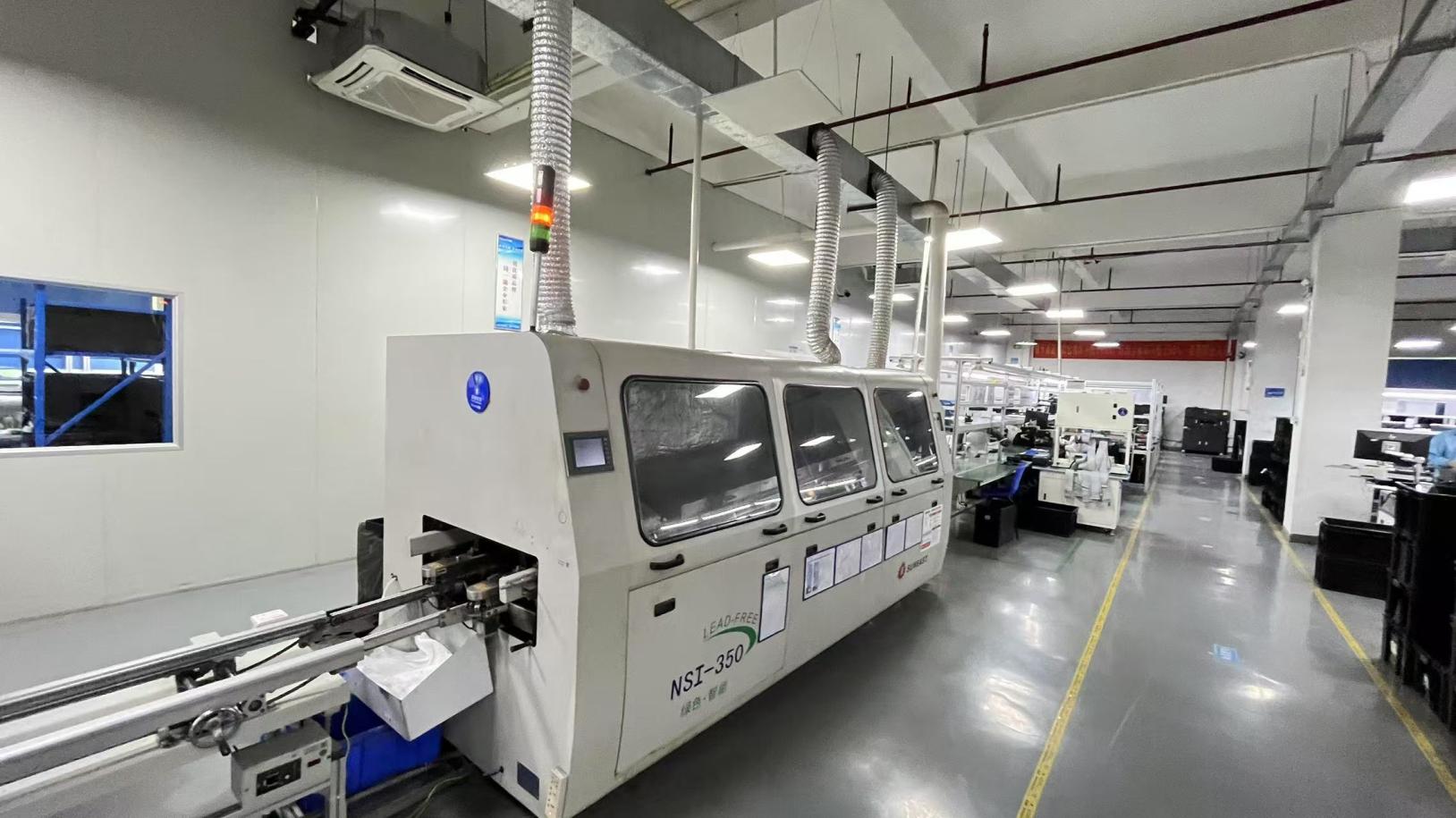
Leveraging a state-of-the-art 386㎡ production and precision engineering facility, we provide comprehensive OEM/ODM architectures that bridge the gap between silicon raw capacity and real-world system workloads. Our design processes focus heavily on the strict structural and thermal dynamics required by today's intensive workloads. With over 8 years of hardware industry experience and a dedicated 6-year history of export excellence, Neuralinko has grown to achieve an annual export revenue exceeding USD 18 million. We consistently provide high-efficiency, robust computing platforms to client bases throughout North America, Europe, Southeast Asia, the Middle East, and Australia.
Quality and reliability form the foundation of our engineering methodology. Our extensive supply network of more than 1,200 partners ensures reliable component sourcing, mitigating the volatility of global hardware markets. This solid supply chain capability allows Neuralinko to maintain competitive manufacturing lead times and ensure stable product availability, even when developing custom specifications for demanding operating environments.
The enterprise storage market is undergoing a major technological shift, driven by the rise of Large Language Models (LLMs), unstructured data generation, and analytics platforms. The focus of modern enterprise storage engineering has transitioned from simple capacity acquisition to multi-dimensional optimization: energy efficiency, IOPS-to-density ratios, latency consistency, and long-term durability.
Conventional Perpendicular Magnetic Recording (PMR) has approached its physical density limits. Next-generation custom OEM HDDs utilize Heat-Assisted Magnetic Recording (HAMR) and Microwave-Assisted Magnetic Recording (MAMR). By heating the media with a small laser diode right before writing data, write heads can write to much smaller magnetic grains. This enables single-drive capacities to scale past 24TB, 30TB, and even towards 50TB, minimizing the physical footprint required in enterprise racks.
In deep learning server structures, older SATA interfaces represent a significant bottleneck. Enterprise-grade solid-state storage solutions have standardized on PCIe Gen 5.0 and Gen 6.0 interfaces, leveraging the NVMe (Non-Volatile Memory Express) protocol. These systems deliver read speeds exceeding 14 GB/s per drive, reducing I/O wait times in AI model training clusters and allowing GPUs to operate at full compute capability.
Modern mechanical hard drives designed for continuous operation utilize hermetically sealed, helium-filled enclosures. Helium's density is only one-seventh that of air, which significantly minimizes aerodynamic turbulence on the rotating platters and internal actuators. This reduces motor power consumption by up to 30%, lowers operating temperatures, and permits thinner platters to be stacked inside the standard 3.5-inch form factor.
Procurement engineers face complex requirements when sourcing server storage hardware. Selecting off-the-shelf components often leads to sub-optimal system balance, poor thermals, or firmware incompatibilities that increase management overhead. Neuralinko addresses these issues by offering tailored manufacturing designs optimized for specific deployment environments.
Modern data center operations are highly sensitive to energy costs. Procurement is no longer evaluated solely on the initial acquisition cost (CapEx), but on the multi-year operating expenses (OpEx). Neuralinko's engineers work closely with data center teams to optimize hardware configuration—balancing dense NVMe drives for fast-tier cache with high-capacity helium HDDs for archive tiers, resulting in improved performance-per-watt metrics.
Different enterprise workloads require specific firmware behaviors. Neuralinko provides customized disk firmware, allowing adjustments to write cache behavior, error recovery controls (TLER/ERC), and sector sizing (native 4Kn vs. 512e). For solid-state storage, we optimize Over-Provisioning (OP) configurations to match client-specific endurance demands (DWPD - Drive Writes Per Day), extending the hardware lifespan in heavy write environments.
Fluctuations in the supply of NAND flash controllers and magnetic media can halt production lines. Neuralinko's supply ecosystem features partnerships with over 1,200 global suppliers. This deep vendor integration allows us to secure allocation priority for critical controller chips and storage media, giving our global clients consistent product supply and predictable delivery schedules.
Every modern enterprise operates with a unique data pipeline. Whether processing financial trades, training deep learning neural nets, or managing distributed web applications, the underlying storage configuration must match the access patterns of the specific software layer.
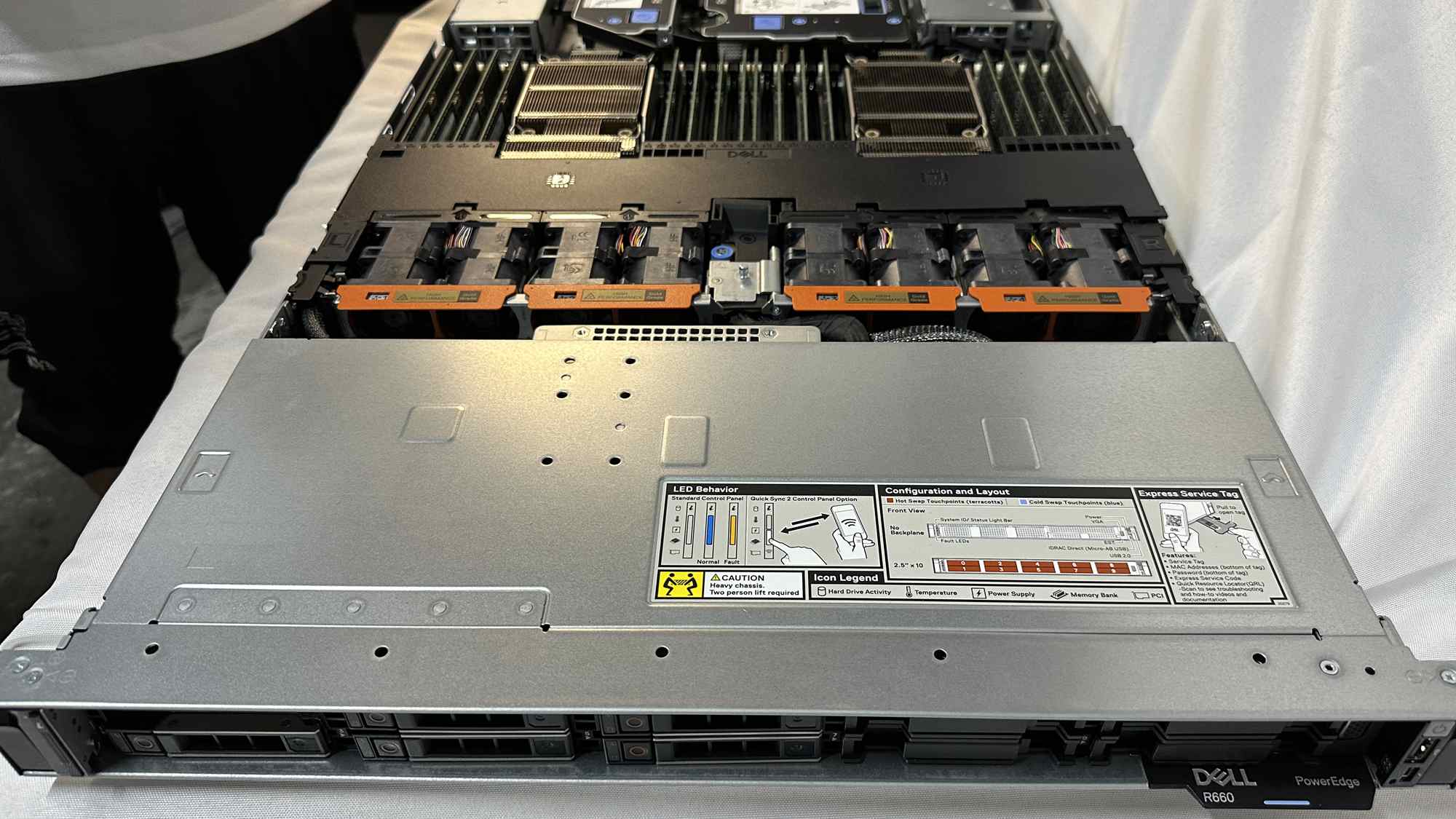
Artificial intelligence pipelines demand massive bandwidth to ingest training datasets. Neuralinko builds specialized, high-performance GPU server chassis optimized for dual-path NVMe U.2/U.3 drives. By integrating Direct Memory Access (DMA) routes and supporting GPUDirect Storage (GDS), our systems allow direct data transfers between storage devices and GPU memory, bypassing CPU processing bottlenecks.
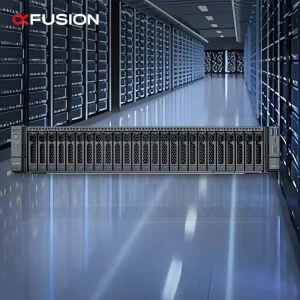
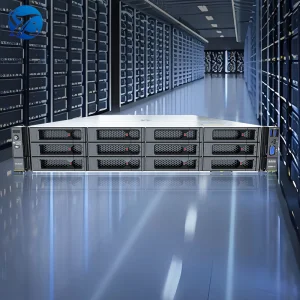
HCI consolidates computing, networking, and virtualization resources onto standard x86 servers. Storage is virtualized into a shared pool. Our server designs (such as the 2U 2-socket platforms) offer flexible backplane architectures that accommodate up to 24 SAS/SATA/NVMe drives. This provides the dense IOPS required by virtualization hypervisors and supports seamless horizontal scaling.
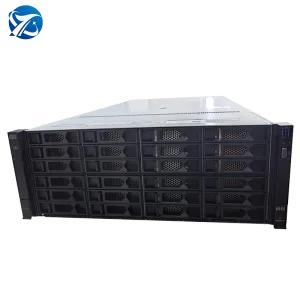
High-performance enterprise NAS applications require high capacity combined with reliable backup features. Neuralinko offers tailored storage arrays featuring custom controller boards and optimized cooling paths, ensuring low-vibration operation for mechanical drives. These systems maintain data integrity over years of continuous use, keeping backup archives secure and accessible.
Reliability in enterprise data storage is critical. Drive failures can lead to data corruption, service disruption, and costly recovery procedures. Neuralinko implements a comprehensive quality assurance framework throughout our entire engineering and production pipeline.
Our specialized quality team of 42 experienced inspectors oversees a structured, multi-phase verification process for every shipped hardware configuration:
Our products meet international regulatory requirements, holding full certifications including CE, FCC, RoHS, UL, and WEEE. This ensures smooth customs processing and hassle-free deployment in data centers worldwide.
Enterprise chassis feature specialized mechanical isolators to protect spinning hard drives from acoustic energy and fan-induced vibration, preserving drive write performance in dense configurations.
Neuralinko keeps our clients at the forefront of the industry by actively integrating new technologies into our production lines. Over the past year, our team of 118 R&D engineers launched 126 new system configurations. We continue to design storage architectures tailored to support future technological requirements:
CXL protocols are transforming memory and storage interaction. By enabling memory pooling across servers, systems can access pooled solid-state storage and persistent memory at low latencies, facilitating real-time analytics on massive datasets.
PCIe Gen 6.0 doubles the bandwidth of Gen 5.0 systems, utilizing PAM4 signaling instead of standard NRZ. Neuralinko's engineering team is actively testing layout topologies that maintain signal integrity at these higher speeds, preparing for next-generation SSD controllers.
To support high density without overheating, we are designing hybrid cooling solutions. Incorporating liquid-cooled cold plates for processors and high-velocity airflow channels for the storage arrays allows safe operation of high-capacity drive configurations.
Here are common technical and operational questions regarding Neuralinko's custom OEM hard disk integration, server builds, and factory-level support:
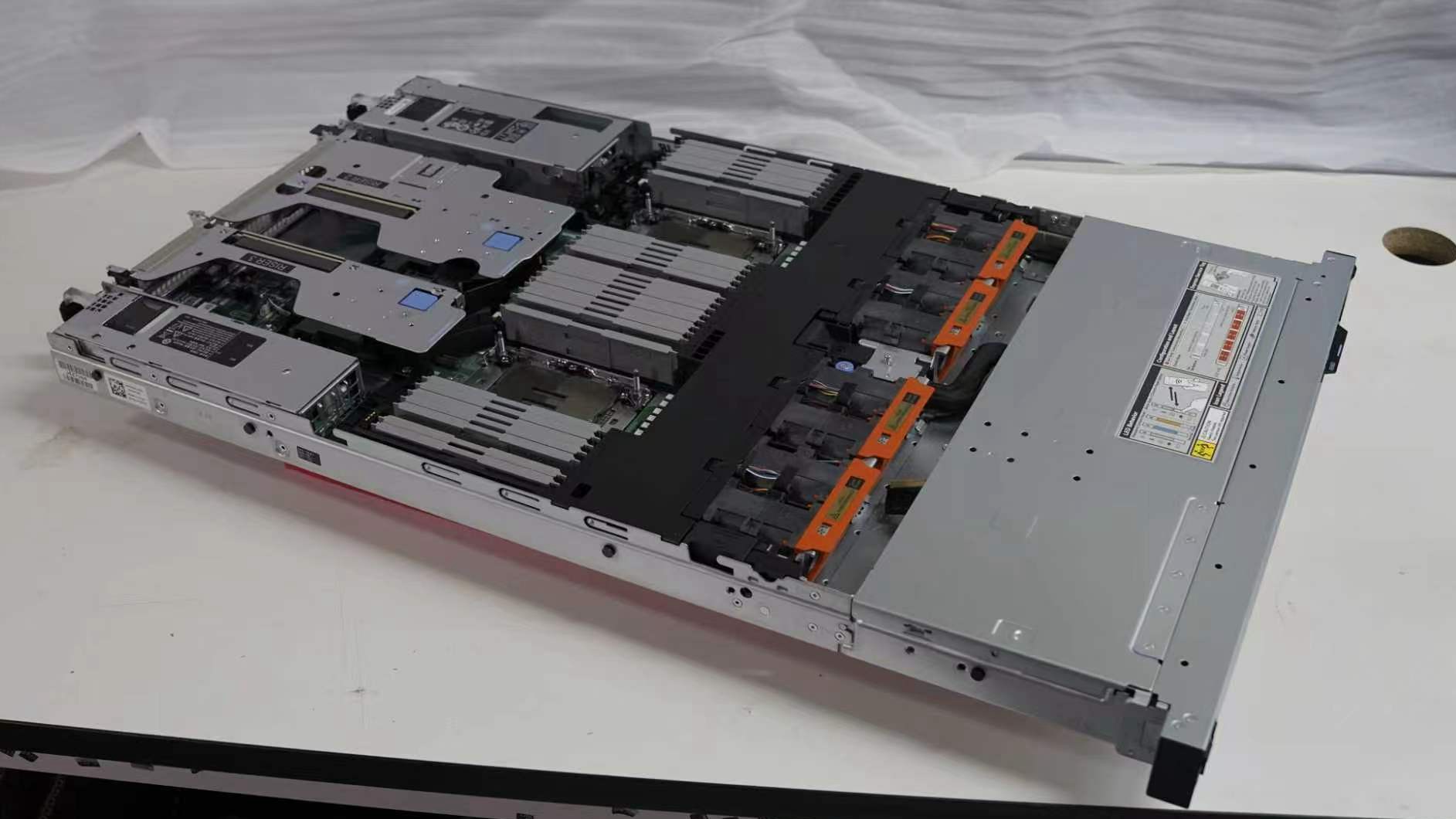
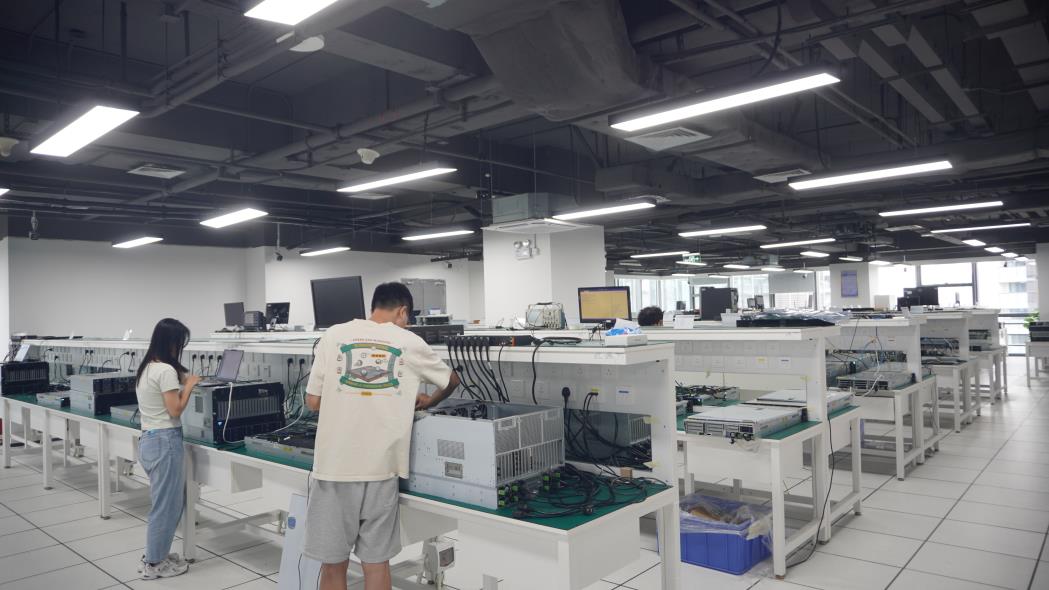
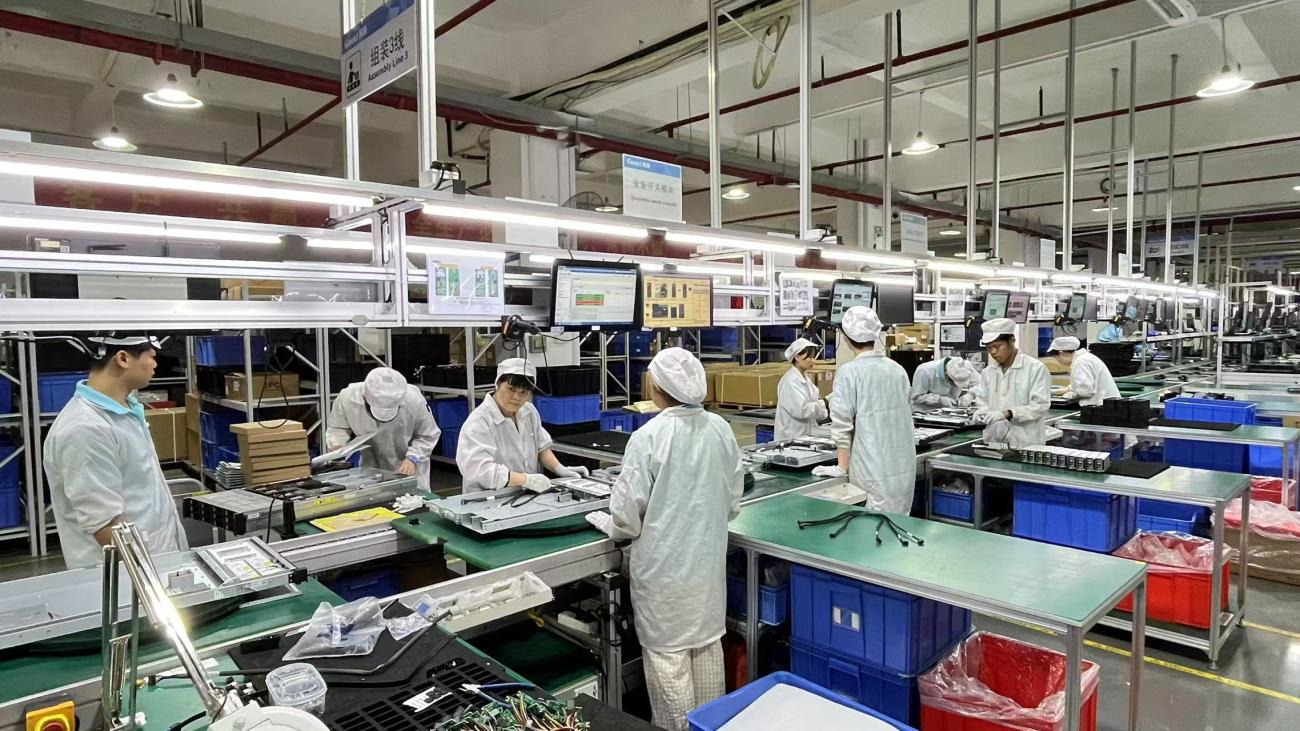
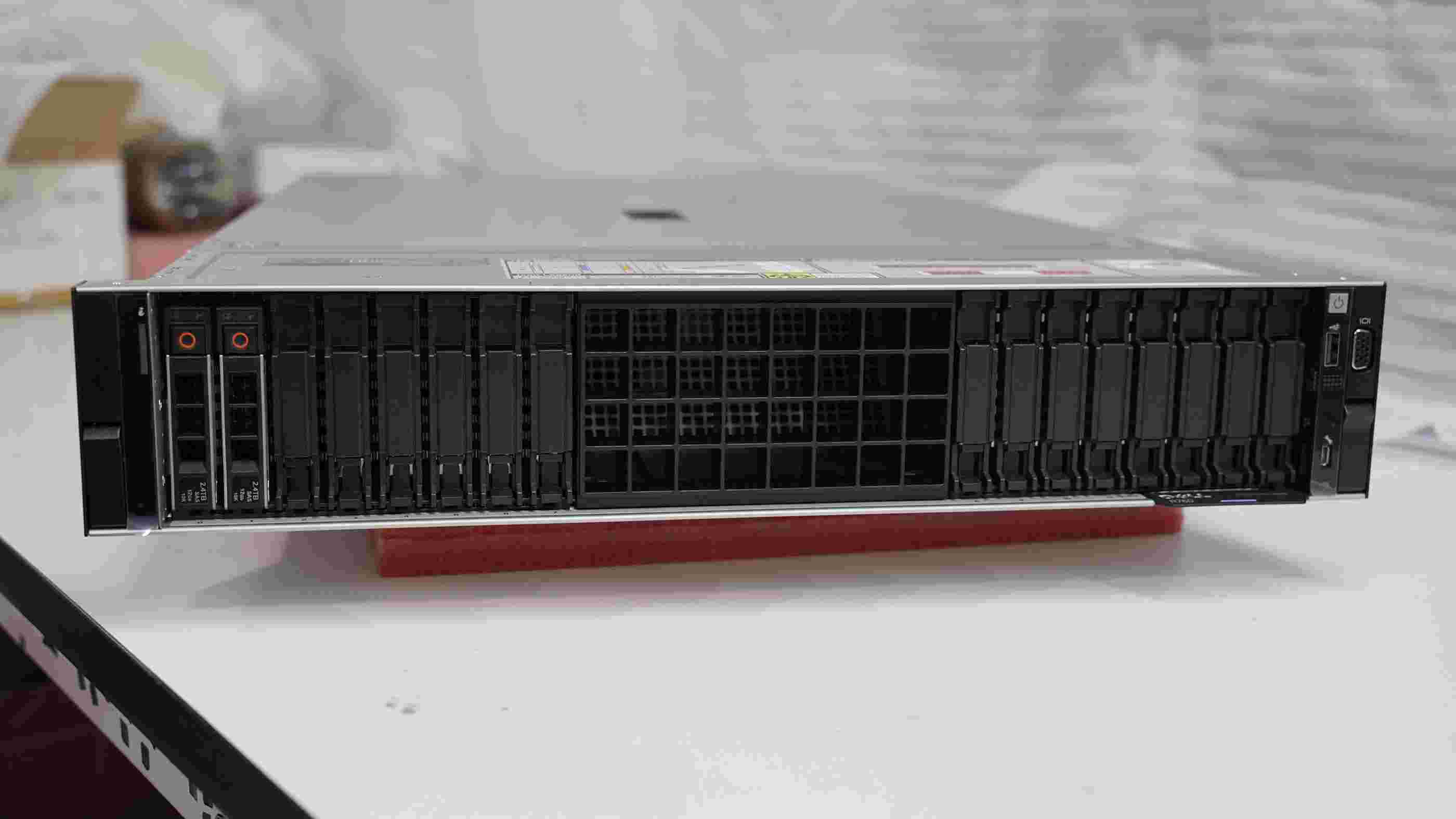
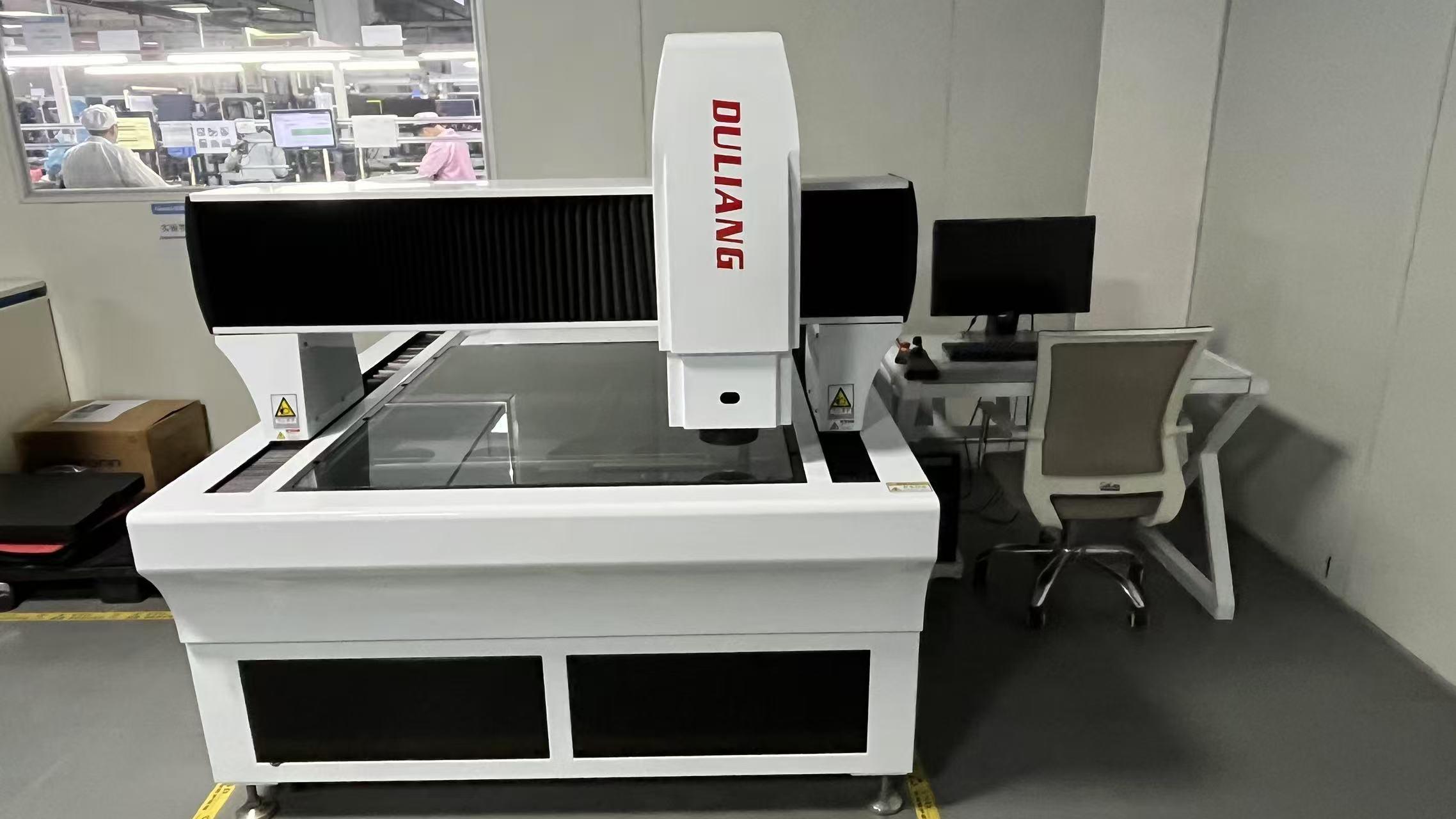
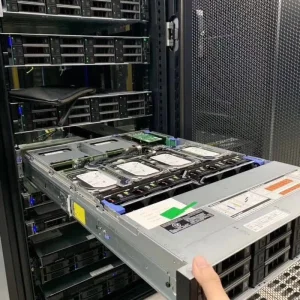
Take a look inside Neuralinko's engineering labs and production facility. Our physical operations verify our manufacturing capacity, quality control procedures, and technical development capability.