Neuralinko
Neuralinko
Neuralinko
Enterprise scalable solutions engineered for deep learning, large-scale language model workloads, and highly efficient network architectures.
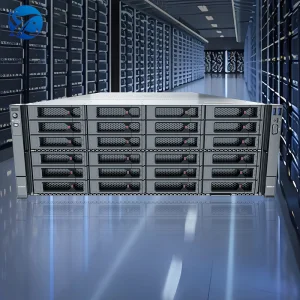
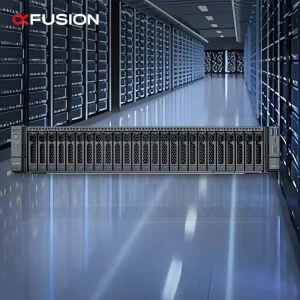
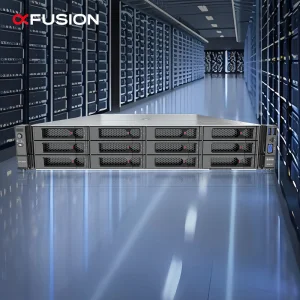
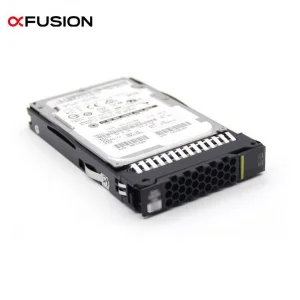
For global enterprises deploying massive AI training clusters, compliance is not merely a legal checkbox; it is a foundational pillar of reliability, electromagnetic safety, and structural integrity. CE certification signifies that our AI compute systems conform with health, safety, and environmental protection standards for products sold within the European Economic Area (EEA).
AI hardware platforms draw immense power, often reaching up to 10.5kW per node in advanced liquid-cooled configurations. This scale of operation introduces complex technical variables under the Low Voltage Directive (LVD) 2014/35/EU and the Electromagnetic Compatibility (EMC) Directive 2014/30/EU. A non-compliant server can introduce catastrophic power anomalies, high radio-frequency interference (RFI) that disrupts surrounding network hubs, or premature silicon degradation.
By implementing rigorous validation methodologies, Neuralinko ensures all signal line routing, chassis grounding, and high-frequency shielding conform to EN standards. This guarantees that your enterprise operations remain uninterrupted, legally sound, and optimized for extreme multi-node load scenarios.
We build servers to survive the toughest regulatory scrutiny, featuring:
A leading high-performance AI hardware manufacturer optimizing deep learning pipelines globally.
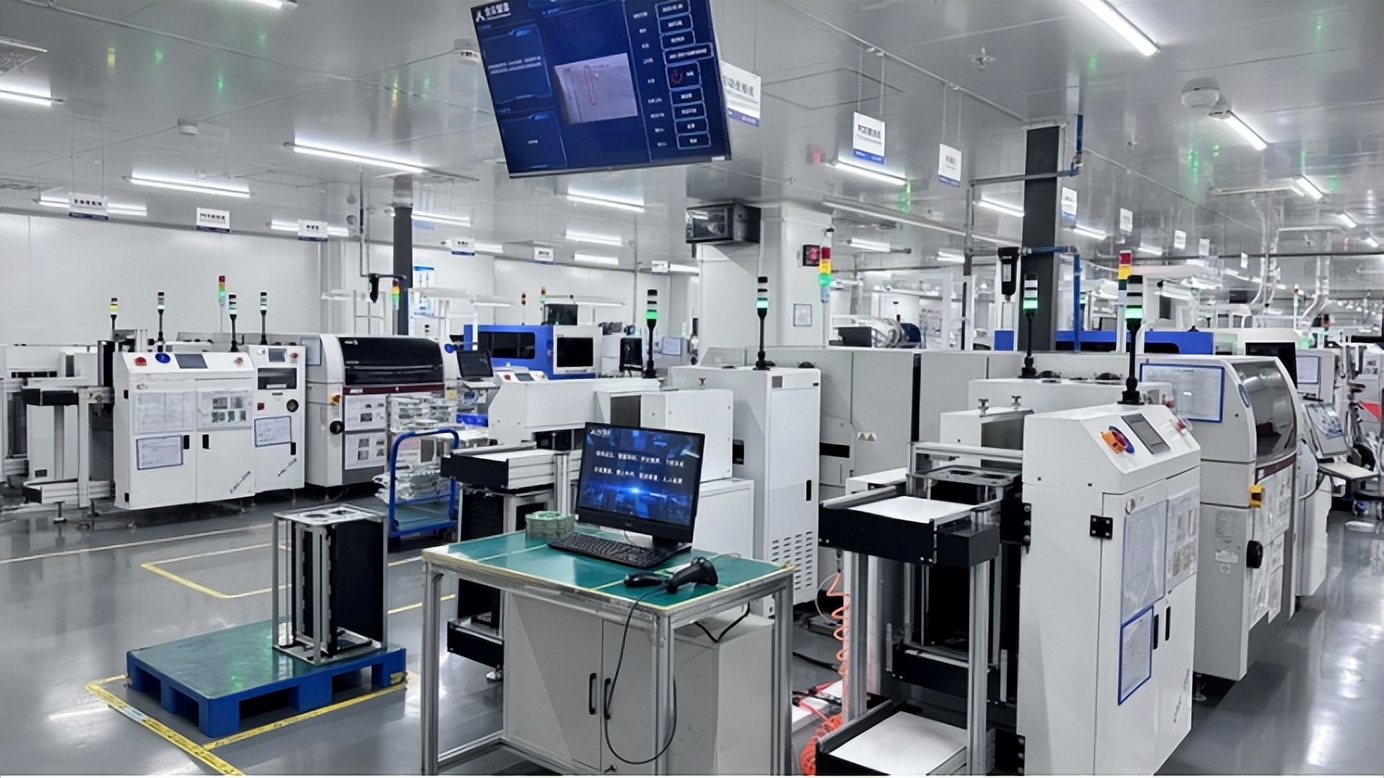
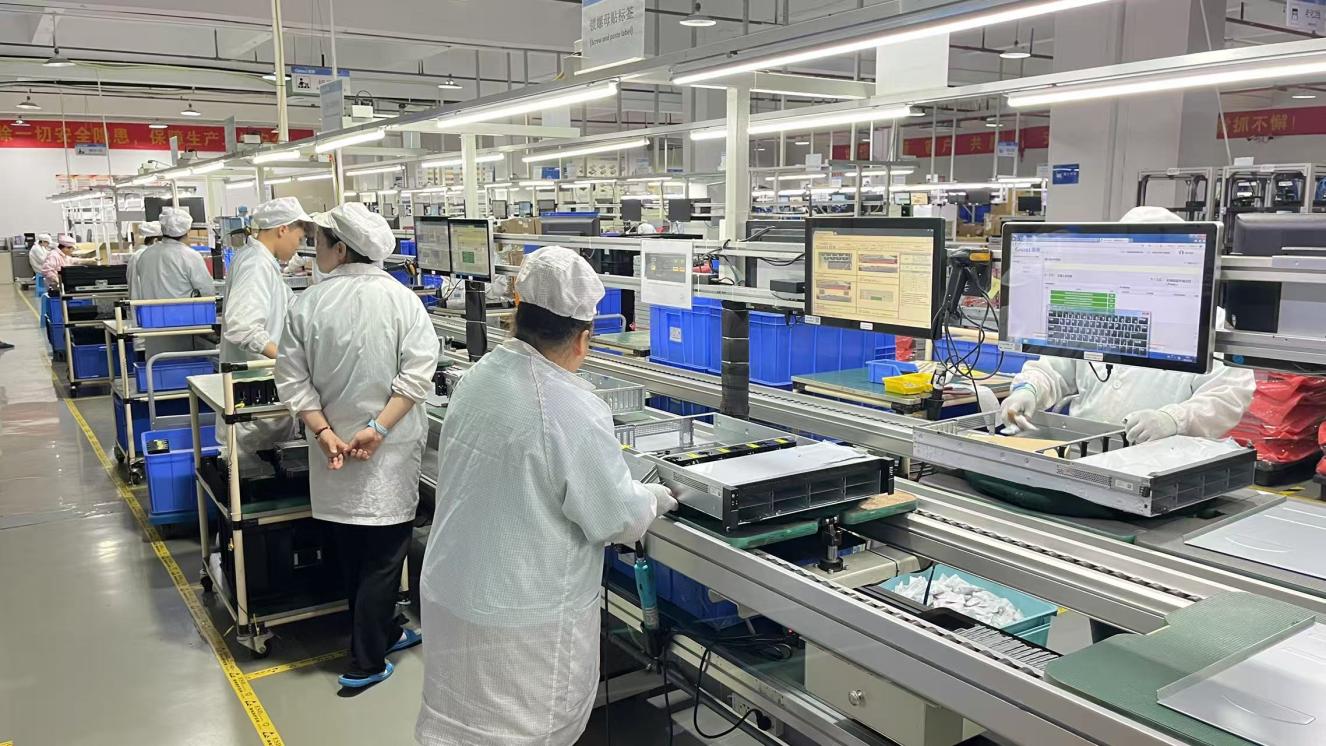
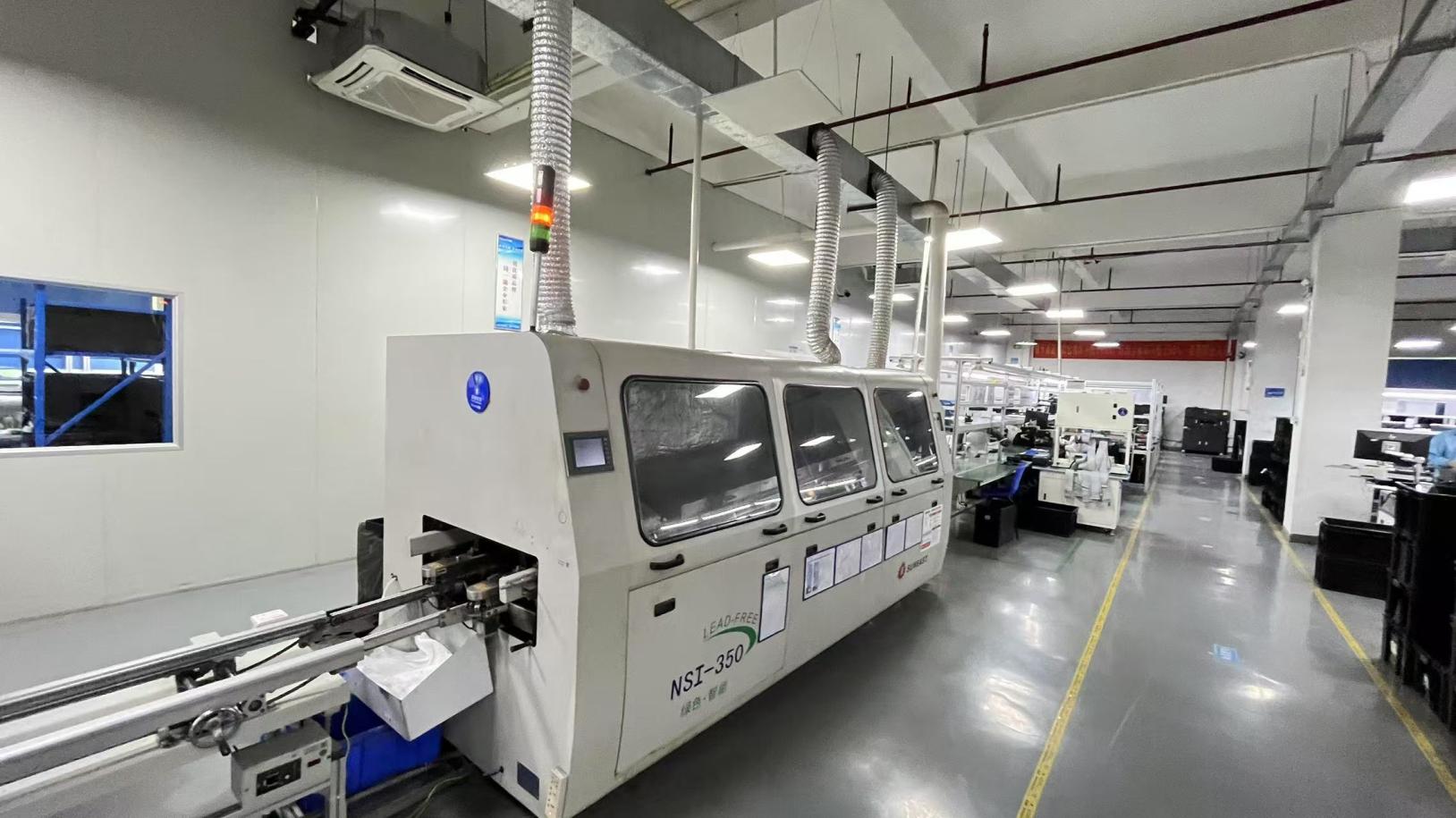
We run a modern 386㎡ production and precision integration facility optimized for electrostatic control and thermal profiling, ensuring custom component placement is micro-vibration insulated.
Generating an annual export revenue of over USD 18 million. Our customer distribution spans key hyperscaler nodes in North America, Europe, SE Asia, the Middle East, and Australia.
In the last fiscal year alone, our engineers developed 126 new compute configurations to adapt to architectural upgrades such as NVLink variations and liquid-to-air cooling modules.
Sourcing hardware from our specialized industrial center unlocks unparalleled cost-to-performance ratio advantages:
The production of high-density computation clusters depends heavily on component availability and tight manufacturing tolerances. A single missing voltage regulator block (VRM) or memory interface controller can stall a complete datacenter deployment timeline. Our strategic ecosystem partners guarantee access to grade-A memory dies, high-density server SSDs, and premium power modules.
By standardizing component inputs across our network of 1,200 partners, Neuralinko mitigates supply-chain bottlenecks and locks in stable component costs. For our clients, this translates into shorter lead times, consistent board quality, and the ability to maintain predictable CapEx for long-term server procurement cycles.
Ensuring your IT deployment processes meet localized regional constraints seamlessly.
Full compliance with CE directives, including detailed Declaration of Conformity (DoC) papers, RoHS testing records, and certified LVD/EMC test lab reports for custom imports.
Ready for immediate custom clearance.Servers designed for FCC Part 15 Subpart B compliance, minimizing electromagnetic interference (EMI) risks in residential and industrial datacenter layouts.
Engineered for UL-recognized integration.Compliance with RCM marking regulations for direct Australian deployments, alongside safety clearances for major ASEAN technology hubs.
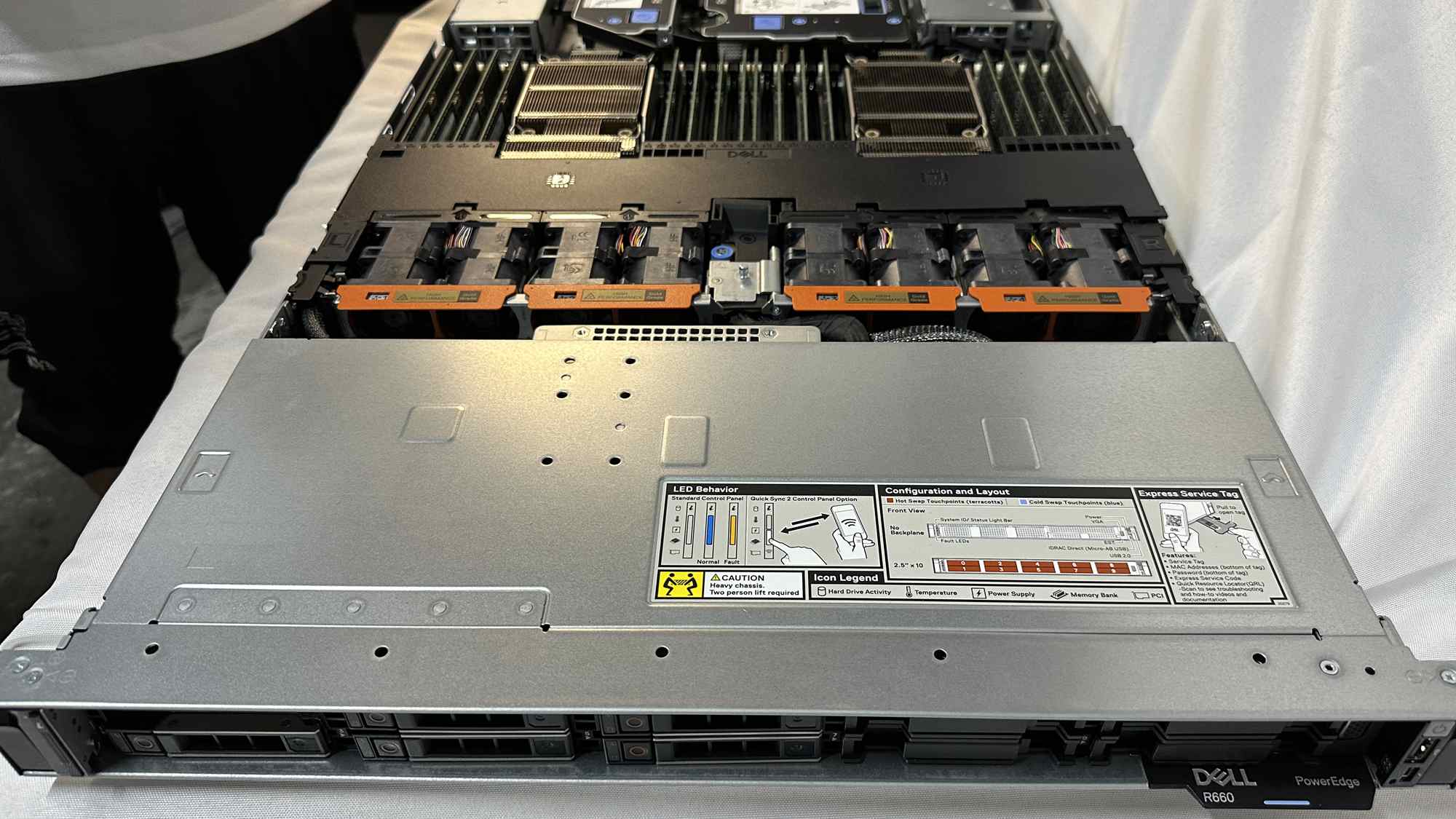
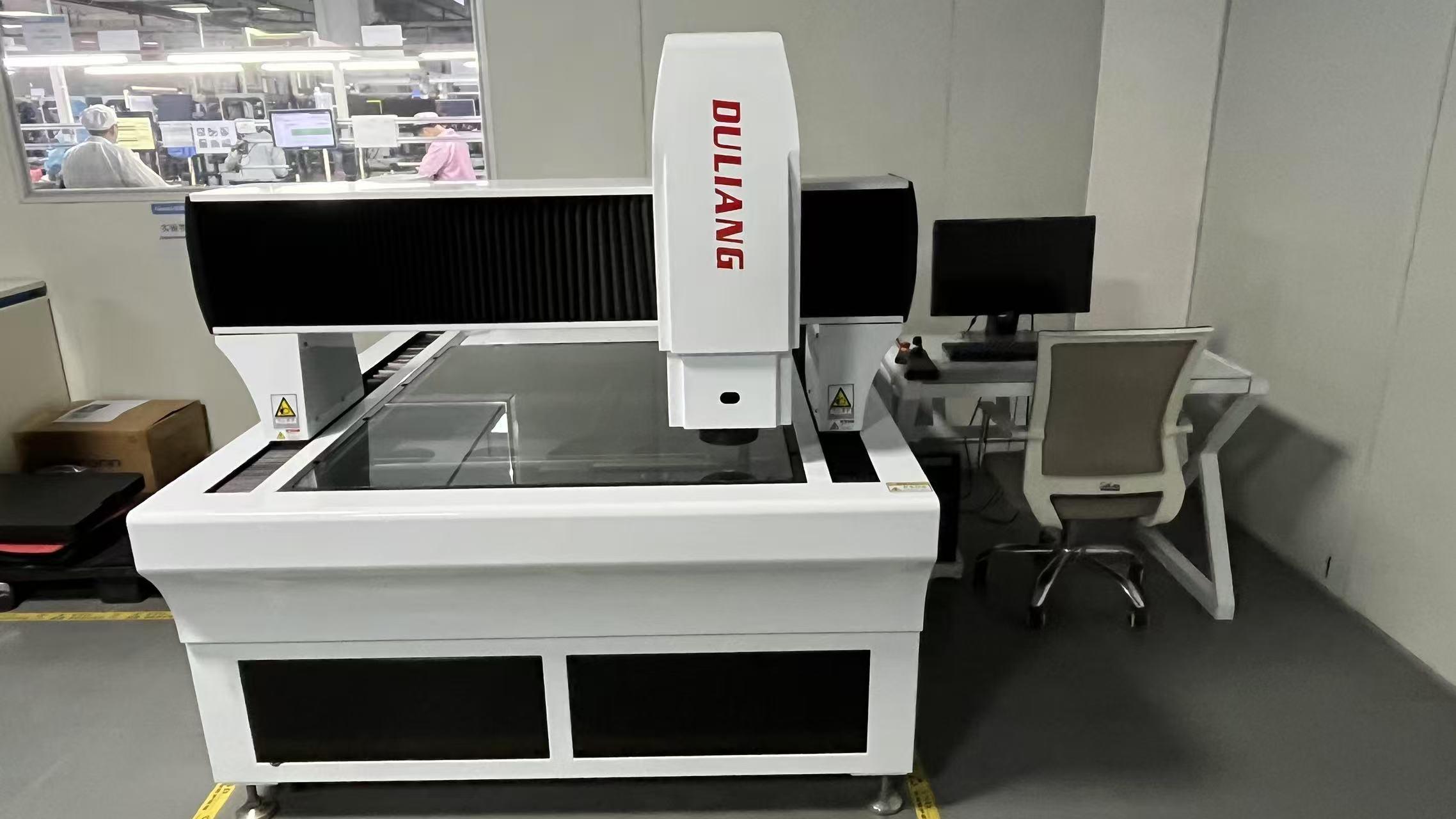
Covers local regulatory needs.Real-world evidence of our manufacturing quality, design verification operations, and cleanroom server assembly lines.
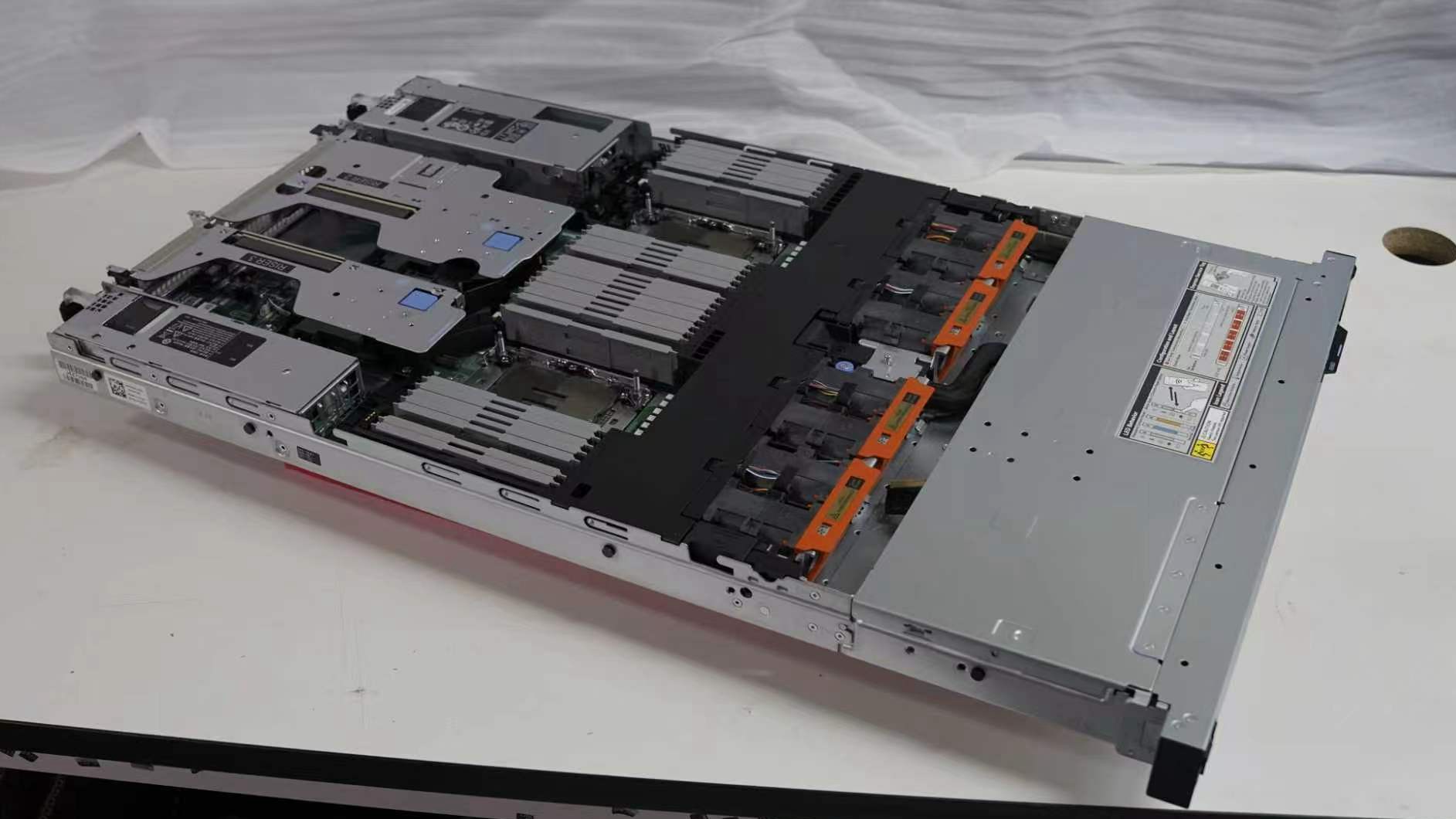
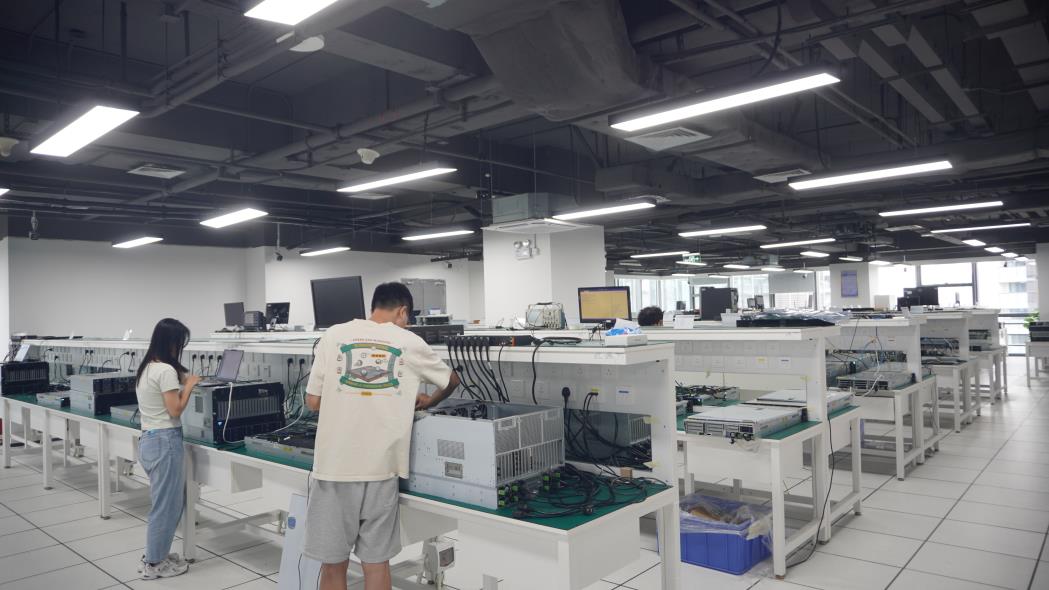
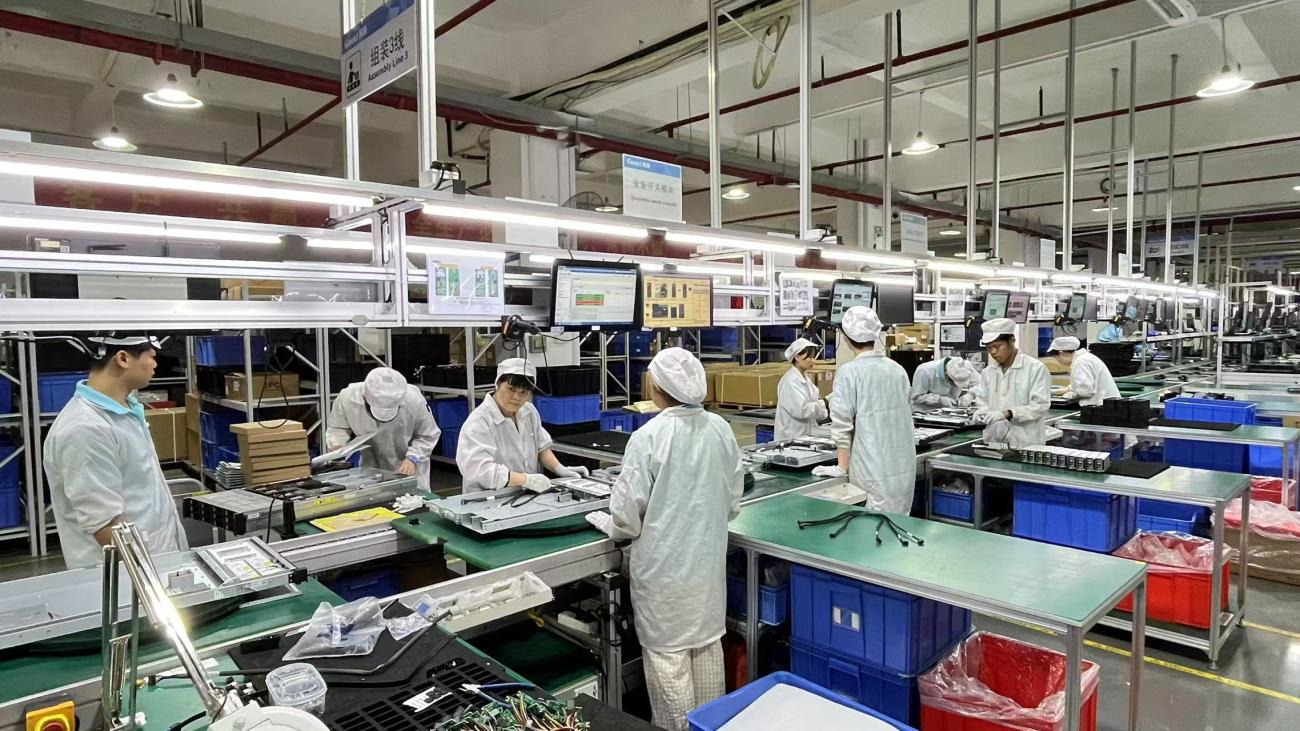
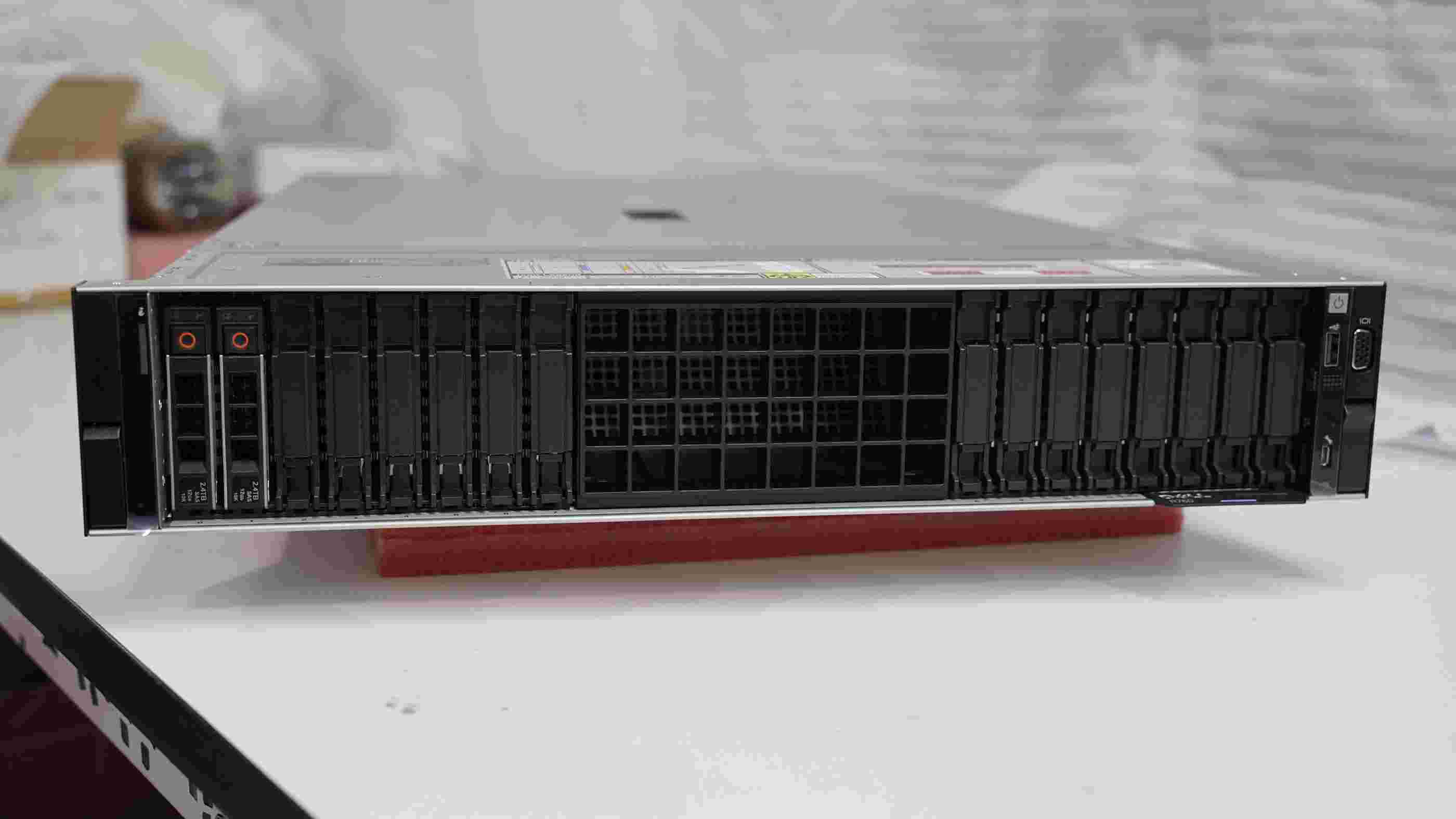
Standard server topologies fail to meet the performance targets of highly optimized machine learning models. Deep learning frameworks running massive batch-size operations generate variable thermal profiles that require responsive cooling algorithms and targeted airflow design.
Through our 118-member R&D team, Neuralinko provides extensive OEM and ODM solutions. This extends past custom branding to include structural chassis redesign, high-amperage power rail distribution, custom PCIe expansion topologies, and customized motherboard BMC (Baseboard Management Controller) configurations.
Our thermal design principles emphasize system impedance profiling. We utilize specialized software to map pressure drops and flow paths, validating that high-density components receive sufficient air velocity even under extreme sustained computational cycles.
Analyzing key shifts in hardware engineering driven by large model optimizations.
The decoupling of training and inference workloads has generated demand for hybrid servers containing varied acceleration architectures. Customizing the balance of high-density CPU processing blocks with scalable ASIC cards is now standard for deep-reasoning pipelines like DeepSeek models.
With hyperscale datacenters targetting strict Power Usage Effectiveness (PUE) ratios under 1.15, hardware is transitioning to liquid-to-air hybrid heat exchangers and high-voltage DC distribution, eliminating standard conversion losses.
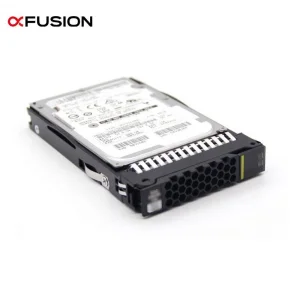
Massive training datasets demand high-throughput, low-latency storage pools (such as enterprise PM893 SSD arrays) to feed pipeline parameters. Keeping the data pipeline clear is key to maximizing active GPU compute cycles.
Answering high-intent architectural and logistics questions for enterprise IT procurement managers.
Our systems undergo third-party test laboratory validation to conform to the EMC Directive 2014/30/EU and the Low Voltage Directive (LVD) 2014/35/EU. This includes EN 55032 (electromagnetic emissions testing under full load), EN 55035 (electromagnetic immunity testing, including electrostatic discharge and RF field exposure), and EN 62368-1 (safety requirements for high-performance computing equipment, analyzing potential shock hazards, thermal risks, and component strain parameters). We supply full testing documentation and Certificates of Conformity (CoC) to assist with clean importation.
PCIe Gen 5 signals operate at high frequencies, making them susceptible to electromagnetic interference, attenuation, and trace crosstalk. Our R&D division addresses this by utilizing premium, low-loss dielectric PCB materials (e.g., Megtron 6/7) along with active PCIe redrivers and retimers. This architecture boosts weak signals, reducing bit-error rates (BER) and guaranteeing high-bandwidth data transfers between high-end accelerator fabrics.
Every custom AI compute cluster runs through a comprehensive, multi-phase testing regimen. First, components are verified via incoming material quality checks (IQC). Once integrated, systems run a continuous 72-hour dynamic burn-in test at elevated thermal profiles. During this window, we run specialized diagnostics (e.g., Linpack, Memtester, GPU stress utilities) to evaluate system power limits and heat extraction curves. Finally, we execute full BIOS/BMC firmware validation, network port connectivity checks, and physical vibration screening to prepare units for international shipping.
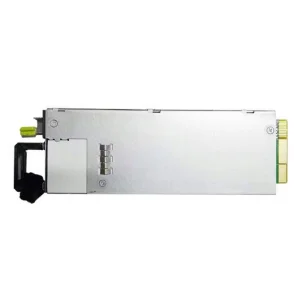
For major datacenters targetting high efficiency, we customize systems to support direct High-Voltage DC input topologies, using high-efficiency power modules like the XFusion HVDC1500WB series. These configurations avoid multiple AC-to-DC conversion losses, lowering aggregate facility heat loads and power draw. We co-develop busbar and cabling harnesses to interface directly with your datacenter's power architecture.
By leveraging our network of 1,200 supply partners and in-house CAD tooling, we can finalize chassis sheet-metal designs within 7–10 business days. Following engineering sign-off, a physical structural prototype can be produced and thermal-simulation validated within 3 weeks. Once verified, production shifts to our main assembly lines for scaling.
Optimized for deep learning datacenters, enterprise cloud workloads, and multi-tenant virtualization clusters.