As the demand for industrial artificial intelligence (AI) continues to surge, choosing the right industrial AI server manufacturer is crucial. A recent report by Research and Markets predicts that the global AI market will reach $390 billion by 2025, reflecting an annual growth rate of 46%. This rapid expansion underscores the importance of robust hardware that can efficiently process vast data sets.
Prominent players in the industrial AI server market are innovating to meet these needs. Companies like NVIDIA and IBM are leveraging advanced technologies like edge computing and machine learning. These systems must not only support high-capacity workloads but also ensure security and reliability. A McKinsey report states that organizations that effectively harness AI can improve their productivity by up to 40%.
However, not all industrial AI server manufacturers are created equal. Businesses need to assess performance, scalability, and support services when making their choices. Some companies may present attractive solutions but lack long-term reliability. Thus, it is essential to thoroughly evaluate each manufacturer to ensure alignment with your operational goals.
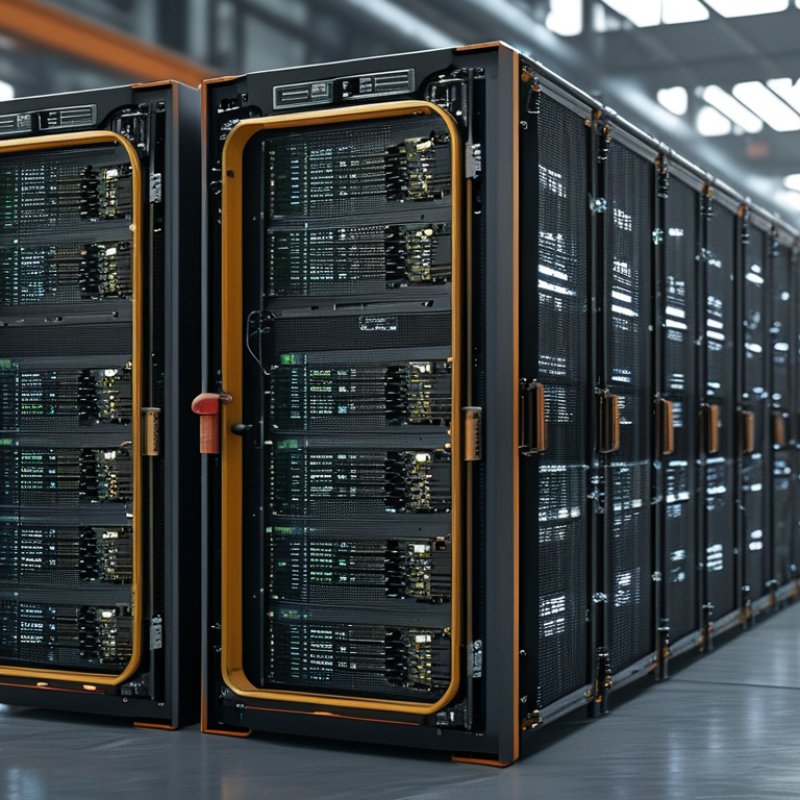
Overview of Industrial AI and Its Growing Importance
Industrial AI is reshaping the manufacturing landscape. According to a recent McKinsey report, by 2026, the AI-driven automation market may reach $600 billion. This highlights the increasing reliance on intelligent systems to optimize production and enhance operational efficiency.
Companies are integrating AI to make data-driven decisions faster. Data from a PwC study reveals that 54% of manufacturers are using AI for predictive maintenance. This technology minimizes downtime and reduces costs. It is evident that adapting AI is not merely beneficial; it is crucial for competitive advantage in the industry.
However, the road to widespread adoption is not without challenges. Many organizations struggle with data silos. A study by Deloitte indicated that 62% of businesses find data integration a significant barrier to AI implementation. Additionally, workforce readiness remains a concern, with only 25% of companies investing in AI training for their employees. The need for better strategies to address these issues is apparent.
Key Features to Look for in Industrial AI Servers
When considering industrial AI servers, specific features are crucial for optimal performance. Begin with processing power.
Servers equipped with high-performance GPUs enhance data processing and machine learning tasks significantly. Look for multicore processors as they improve parallel processing, essential for handling complex computations in real-time.
Another critical feature involves scalability. As industries evolve, so do their data needs. A server that can scale easily allows businesses to adapt quickly without a complete overhaul of their systems.
Additionally, users may want to consider energy efficiency. Servers consuming less power provide cost benefits and align with global sustainability goals.
Security is fundamental in industrial applications. Robust cybersecurity measures protect sensitive data from breaches. Additionally, advanced surveillance systems and access controls should be implemented.
Regular updates and patches are also vital to maintaining security in an ever-evolving threat landscape. The reliability of support and maintenance services can be a game changer. Companies often overlook this, leading to potential downtime during critical operations. Ensuring you can access prompt, expert support is essential for sustained productivity.
List of Leading Manufacturers in the Industrial AI Server Market
The industrial AI server market is evolving rapidly. According to recent reports, the global market is expected to reach $40 billion by 2026. This growth is driven by the increasing demand for automation and data processing in various industries. Factories and logistics companies are integrating AI technologies to optimize operations and reduce costs. This trend highlights the importance of selecting the right server manufacturers.
Leading manufacturers are focusing on enhancing system performance and energy efficiency. High-performance computing capabilities are crucial for processing large datasets in real-time. Reports indicate that companies are looking for servers that can handle complex AI algorithms effectively. Security and reliability remain top priorities amid growing cybersecurity concerns. Choosing a manufacturer with a strong track record in these areas can significantly impact overall operational success.
However, not all manufacturers meet these expectations. Some fall short in post-sale support and system upgrades, leading to potential downtime. This raises questions about long-term dependability. Buyers should consider not only specifications but also the overall service quality provided by these companies. Thorough research and expert guidance are essential for making informed decisions in this critical investment area.
Top Industrial AI Server Manufacturers to Consider in 2026
Comparative Analysis of Server Performance and Sustainability
As industrial sectors advance, the demand for efficient servers is intensifying. A recent report forecasts that the global industrial AI server market will reach approximately $45 billion by 2026. Performance and sustainability are critical factors influencing decisions for manufacturers. Companies are increasingly seeking machines that not only excel in computational power but also adhere to environmental standards.
Performance metrics reveal intriguing insights. A study by the International Data Corporation indicates that impactful servers can reduce processing latency by up to 30%. In contrast, energy consumption remains a pressing concern. Many servers operate at a 1.5 PUE (Power Usage Effectiveness) rate. Ideally, the target should be below 1.2 to optimize energy efficiency. This gap highlights a troubling trend: while computational capabilities improve, energy sustainability lags behind.
Sustainability practices also matter when evaluating server manufacturers. A survey conducted across multiple industries found that 68% of firms prioritize sustainable practices in their procurement processes. Innovations such as liquid cooling and renewable energy sources are trending. This opens the door for servers that promise lower emissions. However, many manufacturers struggle to balance cutting-edge technology and environmental responsibility. The pursuit of excellence in both domains presents an ongoing challenge in the evolving landscape of industrial AI.
Future Trends in Industrial AI Server Technology for 2026
As we look toward 2026, the industrial AI server landscape will witness significant transformations. Predictions indicate a market growth from $20 billion in 2022 to over $50 billion by 2026. This shift is fueled by advancements in machine learning and automation technologies. Companies are seeking faster, more efficient servers to handle vast datasets. The focus will be on energy efficiency, with estimates suggesting that AI server operations could see a 30% reduction in energy consumption.
Data privacy remains a critical concern. As industries adopt AI technologies, compliance with jurisdictions like GDPR will shape development. Reports highlight that about 75% of organizations may struggle to meet legal standards. Consequently, manufacturers will need to integrate robust security measures into their servers. This focus on safeguarding data will influence server design and functionality.
In terms of hardware specifications, the trend toward using more powerful GPUs is expected to continue. The demand for AI training capabilities will drive this. However, with increased power comes the need for reliable cooling solutions. Some manufacturers may overlook this, leading to potential overheating issues. The balance between computational power and thermal management will be a crucial consideration as we approach 2026.
FAQS
I server market expected to reach by 2026?
They aim to optimize operations and reduce costs across various industries.
Buyers should evaluate system performance, energy efficiency, and overall service quality.
The target PUE should ideally be below 1.2.
Around 68% of firms prioritize sustainability practices in their purchasing choices.
Anticipated reductions in energy consumption by 30% during AI server operations.
About 75% of organizations might struggle to comply with regulations like GDPR.
Increased computational power requires reliable cooling solutions to prevent overheating.
Balancing advanced technology with environmental responsibility remains a significant challenge.
Buyers should reflect on the reliability and quality of after-sales support services offered.
Conclusion
The article titled "Top Industrial AI Server Manufacturers to Consider in 2026?" provides a comprehensive overview of the growing significance of industrial AI in today's technology landscape. As industries increasingly rely on AI-driven solutions, the demand for robust industrial AI servers is expected to rise. Key features to consider when evaluating these servers include processing power, scalability, energy efficiency, and advanced cooling technologies.
The article identifies leading industrial AI server manufacturers, offering a comparative analysis of their performance and sustainability practices. The discussion highlights not only current capabilities but also projections for future advancements in server technology anticipated by 2026. With the rapid evolution of industrial AI, selecting the right industrial AI server manufacturer will be crucial for enterprises aiming to stay competitive and innovative in their respective markets.
 Neuralinko
